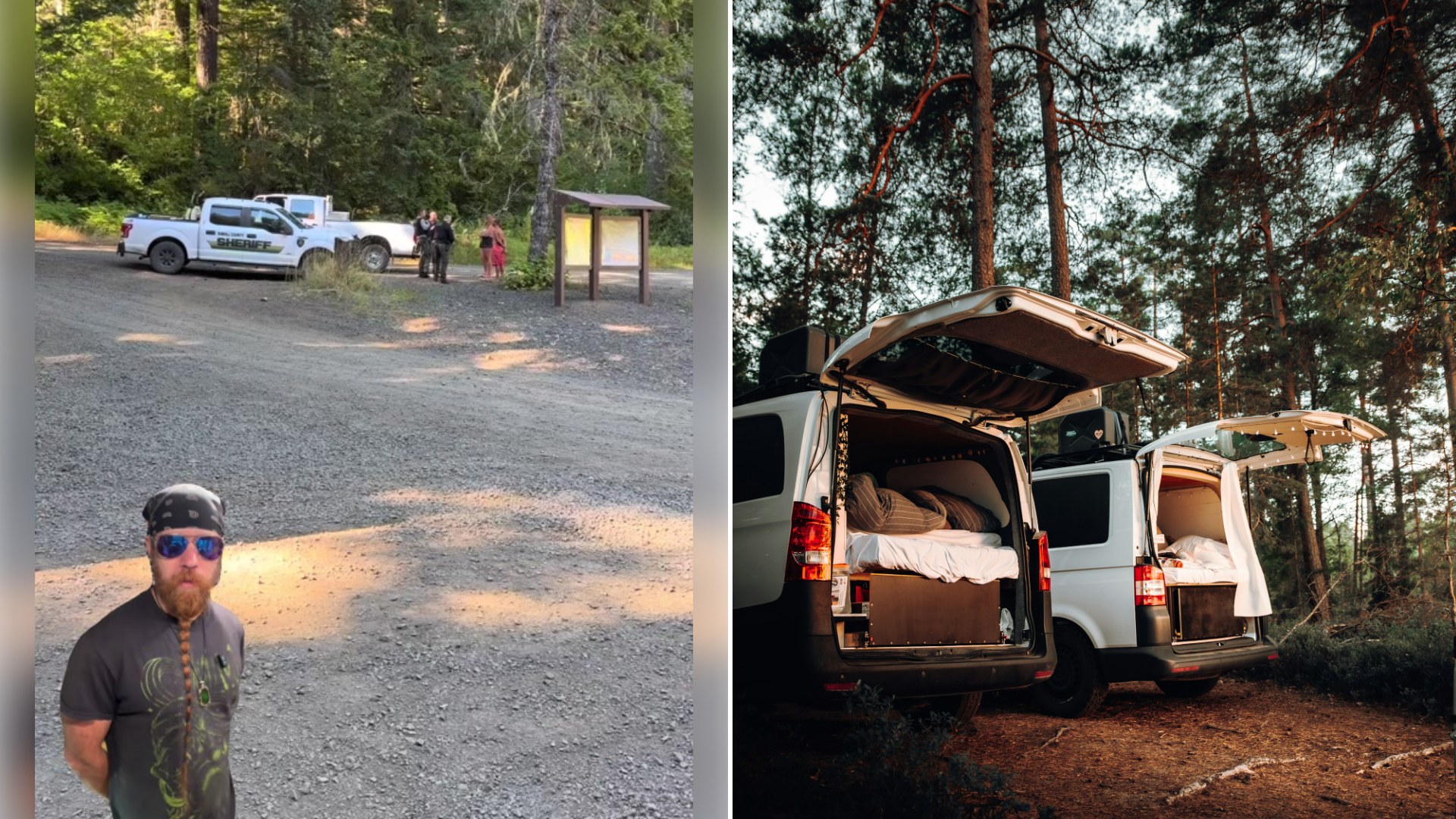
For most people, a knock from the sheriff means one thing: go home. For a group of full-time nomads traveling together, it meant something else entirely — pack up, roll out, and set up again somewhere else. Creator @thedigitalnomadguy documented the whole thing.
“Sheriffs came to our camp, told us we had to leave, called it an organized event,” he says over footage of the group breaking down their site. The distinction matters: dispersed camping on public land is generally allowed in short stints, but once a gathering starts looking like an organized event rather than a handful of unrelated campers, it can trigger different rules — permitting requirements, group-size limits, or outright restrictions that don’t apply to individual campers.
Rather than scatter or fight it, the group did what he describes as standard practice for this kind of community: “So we did what nomads do. Packed up, formed a caravan.” Fifty vehicles, moving together, relocating as a unit to another stretch of public land and setting up camp again.
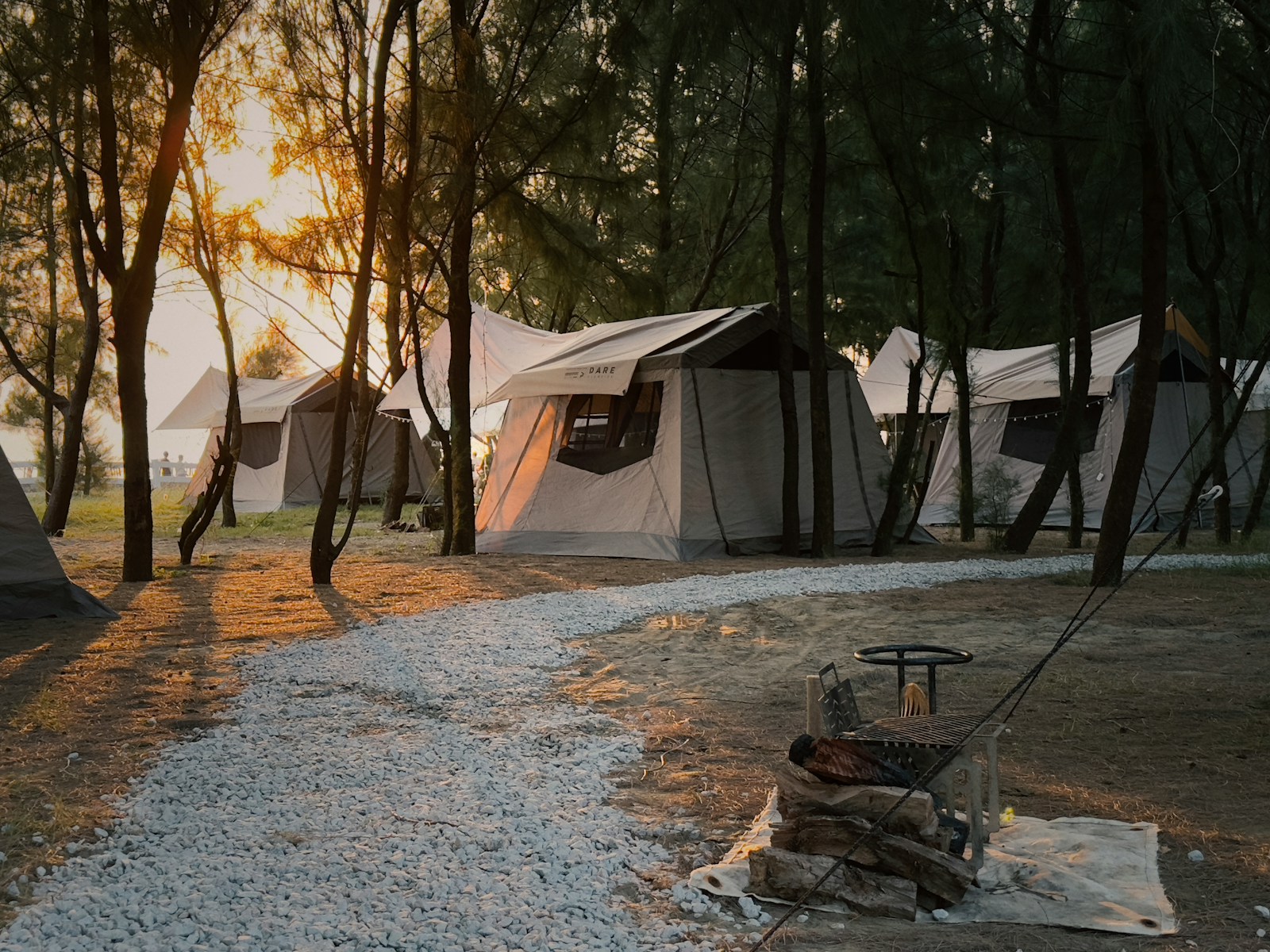
It’s the part of the video where he steps back from the specific incident that gives it its weight. “This is the hardest part of nomad life,” he says. “Nobody talks about finding somewhere you’re allowed to gather without becoming too organized to be left alone.” It’s a tension a lot of viewers hadn’t considered: the very thing that makes van life communities valuable — people finding each other, camping together, building support networks on the road — is also what draws the kind of official scrutiny that scatters them.
He closes with a line that’s become something of a mantra in the caption of the post itself: “You can move the camp. But the community has wheels.” The group didn’t dissolve when they were told to leave — they just relocated, together, and kept going.
The Fine Print Behind Camping on Public Land
Dispersed camping on Bureau of Land Management or National Forest land is generally free and legal, but it comes with limits most casual campers never bump into — typically a 14-day stay limit in one spot, requirements to camp a certain distance from roads and water sources, and rules that treat “group events” differently from individual campers. Once a gathering crosses a certain size or starts to look coordinated, land managers can classify it as an organized event, which in many jurisdictions requires a special use permit, even if no one in the group considers themselves to be running an official event.
This is a real friction point in the nomad and van life community, where meetups and informal caravans are a core part of how people build community on the road. A loose gathering of friends who happen to be camped near each other can, in the eyes of land management agencies, start to resemble an unpermitted festival or rally once it hits a certain scale — fifty vehicles, in this case — regardless of how informal it actually feels from the inside.
For anyone planning a similar group gathering on public land, it’s worth checking with the local BLM field office or ranger district ahead of time about group-size thresholds and whether a permit is needed — what counts as “organized” varies significantly by land management unit. It’s also worth having a plan B site in mind, the way this group clearly did, since being asked to relocate on short notice is a real possibility even when everyone involved believes they’re following the rules.
You can watch the full video and follow @thedigitalnomadguy on TikTok for more.
Leave a Reply