Open houses are designed to welcome strangers into a home — which is exactly what makes them one of the more vulnerable moments in a real estate agent’s job, as one agent’s story makes clear.
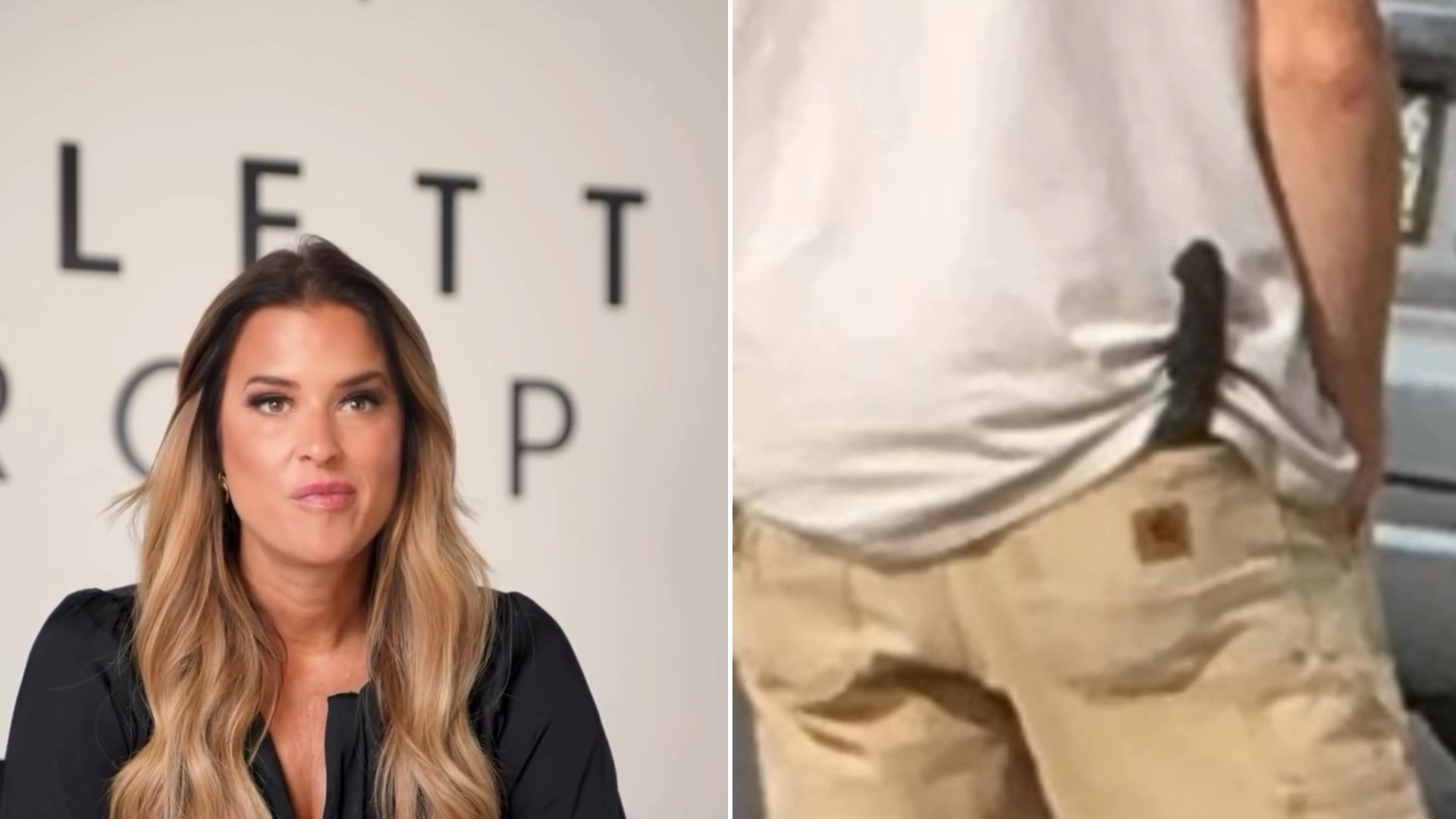
Posting on Instagram as @shannon_gillette, she opens with a stark warning: “Open houses can be dangerous, and not just for the Realtor. You’re advertising that an agent will b…” According to the video, the real estate agent shares a personal story about a dangerous encounter during an open house, using a photo as evidence to illustrate what happened.
The video doesn’t detail the full sequence of events or the ultimate outcome of the encounter, but the framing of the caption — noting that open houses are risky “not just for the Realtor,” implying a risk to the property or homeowners as well — broadens the story beyond a single scary moment into a wider point about the structural vulnerability built into how open houses work: a publicly advertised time when a stranger can walk into an occupied or soon-to-be-occupied home with an agent present, often alone.
The story reached a wide audience — 1.2 million views on an account with 112,000 followers — a strong reach that suggests real concern and interest among both agents and homeowners about a risk that’s built into an otherwise routine part of selling a home.
Using a photo as supporting evidence, rather than relying on description alone, adds a layer of credibility to the account — turning what could read as a vague warning into something more concrete that other agents can actually recognize and prepare for in their own work.
Stories like this one tend to prompt renewed conversation within the real estate industry each time they surface, a reminder that safety training, while it exists at most brokerages, doesn’t always translate into consistent habits once an agent is alone in an unfamiliar home greeting strangers off the street.
Open House Safety Tips Every Agent Should Know
Open houses require real estate agents to be alone or minimally accompanied with strangers in an unfamiliar or semi-private setting, a combination that industry safety trainers and associations have flagged for years as a genuine occupational risk — one that’s led many brokerages to adopt specific safety protocols.
Agents can take several concrete steps to reduce risk: requiring visitors to sign in with name and phone number before touring the property, sharing real-time location with a colleague or family member during showings, positioning themselves near an exit rather than a home’s interior during the walkthrough, and trusting instinct enough to end a showing early if something feels off, even without a specific justification.
For homeowners hosting an open house, it’s worth removing or securing valuables, prescription medications, and personal documents beforehand — open houses are, by design, a publicly advertised window when your home’s layout and contents are visible to anyone who walks in. Many real estate associations, including the National Association of Realtors, offer specific open house safety guidance and training, and it’s worth asking your agent directly what precautions they take, both for their own safety and your home’s, before the sign goes up outside.
It’s also worth knowing that some brokerages now offer optional safety-check-in apps or buddy systems specifically for solo showings, letting an agent share their real-time location and set automatic alerts if they don’t check in within an expected window. Asking your brokerage whether a tool like this is available — and using it consistently, not just for showings that feel unusual in advance — closes a gap that’s easy to overlook until an encounter like this one happens.
Some agents have also started scheduling open houses with a colleague present specifically during slower midweek hours, when foot traffic is lower and a single visitor is more likely to have an agent’s undivided, unaccompanied attention.
You can watch the full video and follow @shannon_gillette on Instagram for more.
Leave a Reply