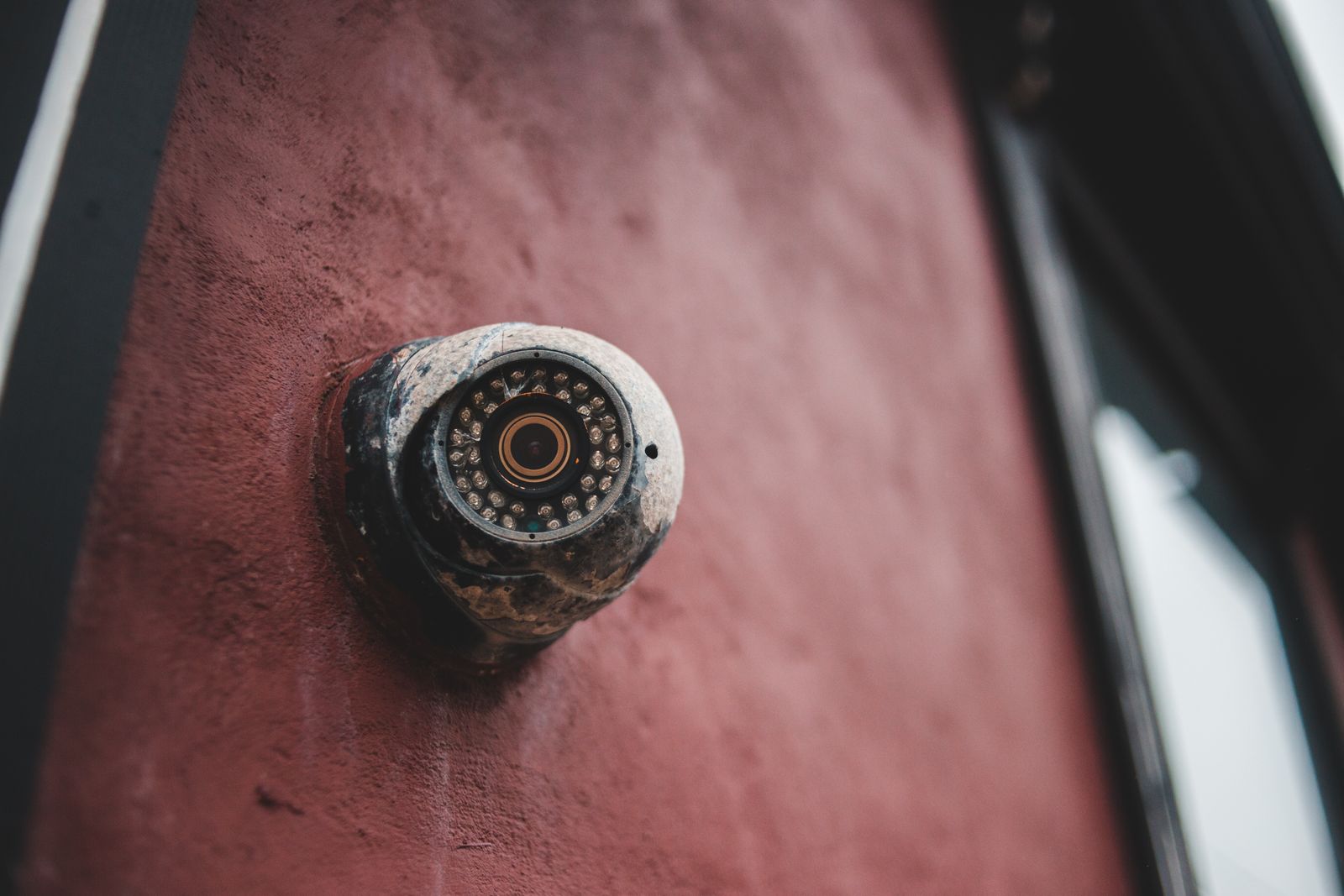
Security cameras have become a routine part of home life for a lot of people — until they end up at the center of a dispute over exactly where a lens is allowed to point.
That’s the situation captured in a TikTok from @kittenmomplus, captioned with clear exasperation: “I JUST CAN’T,” tagged with hashtags including “crazy,” “peace,” and “criminal.” According to the video, the homeowner films her neighbors having a tense argument about HOA rules and cameras — a dispute she’s documenting from the outside, capturing the moment as it plays out rather than being a direct participant in the argument herself.
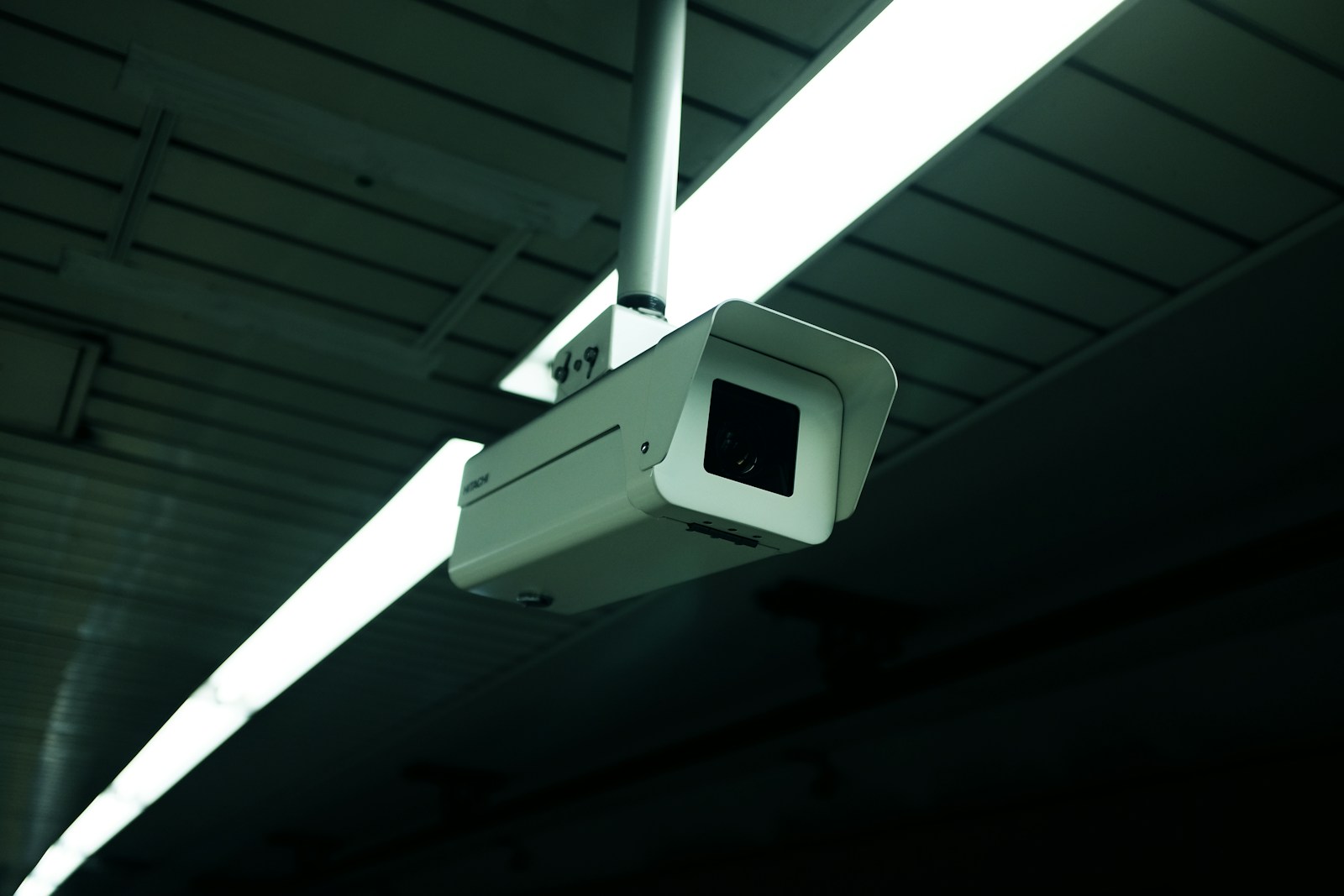
The video doesn’t specify exactly what HOA rule or camera placement sparked the argument, but the framing — a homeowner recording a dispute unfolding between her neighbors — puts viewers in the position of an onlooker witnessing a conflict rather than getting either side’s direct explanation, which is often exactly how these disputes are actually experienced by the people living nearby.
The clip reached a wide audience, drawing 1.8 million views on an account with 54,000 followers — a strong multiple that suggests plenty of viewers have either witnessed or lived through a similar dispute over cameras and HOA rules on their own street.
Filming a dispute between neighbors, rather than being one of the two people directly arguing, puts the homeowner in an interesting position — close enough to the conflict to feel its tension, but positioned as a witness rather than a participant in the disagreement itself.
Camera disputes like this one also tend to surface a deeper, harder-to-resolve question underneath the specific complaint — how much surveillance neighbors are comfortable living under, a question HOA rules can regulate but rarely fully settle to everyone’s satisfaction.
Handling an HOA Camera Dispute the Right Way
Security camera placement has become one of the more common sources of HOA and neighbor disputes in recent years, as doorbell cameras and home security systems have become standard rather than unusual. The core tension is usually privacy: a camera pointed at a shared driveway, a neighbor’s yard, or a common walkway can capture footage of people who never agreed to be recorded, even if the homeowner’s intent is simply protecting their own property.
Many HOAs have specific rules governing camera placement and angle, precisely because of these privacy concerns, and it’s worth reviewing your community’s governing documents before installing a security camera near a shared property line — a rule that feels like an inconvenience in the moment often exists specifically to prevent this kind of dispute.
If a camera dispute arises with a neighbor, the most productive first step is usually a direct, calm conversation about the specific concern — often, a camera angle can be adjusted slightly to address a privacy concern without removing the security benefit entirely. If a resolution isn’t reached informally, most HOAs have a formal complaint or mediation process, and some communities offer neighbor mediation services through local government or nonprofit organizations, which tend to produce a more lasting resolution than an argument caught on someone else’s camera.
It’s also worth knowing that some jurisdictions have specific laws governing what a security camera is legally allowed to capture on a neighboring property, layered on top of whatever an HOA’s own rules say — meaning a dispute like this one can sometimes involve more than just community bylaws, and may be worth a quick conversation with a local attorney if it doesn’t resolve informally.
Some homeowners have found success compromising with motion-activated lighting instead of a camera pointed toward a shared space, addressing the underlying security concern without capturing footage of a neighbor’s property at all.
You can watch the full video and follow @kittenmomplus on TikTok for more.
Leave a Reply