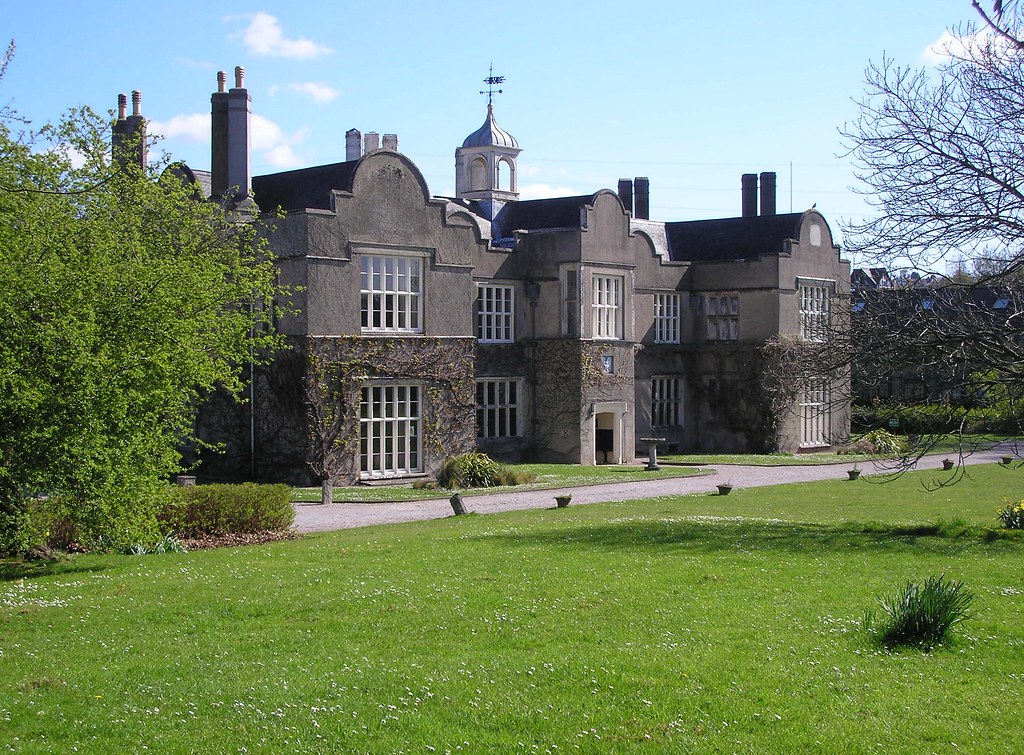
Before any cosmetic restoration could begin on a 115-year-old mansion, the renovators behind it had to find out what was actually hiding inside its walls. What they found included hidden voids, century-old pipes and layers of history left completely untouched. They documented the discoveries on TikTok as Saving St. Margarets.
In their video, the renovators open up sections of wall inside the long-neglected mansion, revealing empty voids, old plumbing that appears to date back close to the building’s original construction, and layers of material seemingly undisturbed since it was first put in place. The exploration happens before any cosmetic restoration work begins, treating the discovery phase as a genuine part of the project’s story.
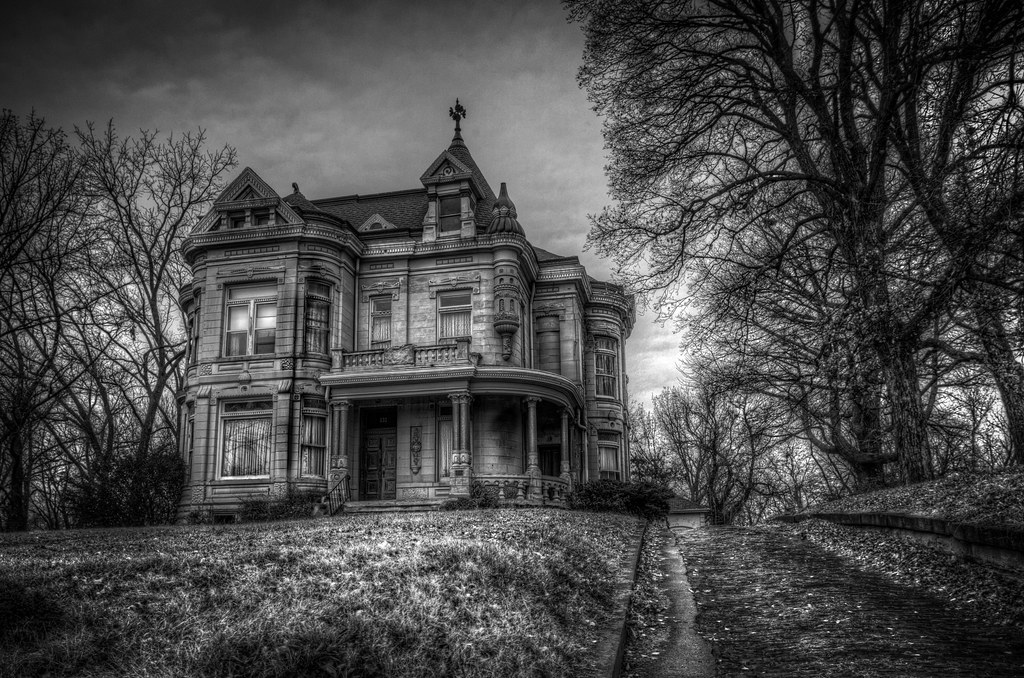
Claims about the building’s exact age and the extent to which certain features have truly gone undisturbed are best treated as the creators’ own reported account rather than independently documented facts, since verifying those details typically requires historical records or expert inspection beyond what a video alone can establish. It’s also worth being clear that this piece avoids leaning into paranormal or sensational framing, since a genuinely neglected old building doesn’t need embellishment to be interesting.
What makes this kind of pre-restoration exploration compelling is the rare glimpse it offers into a building’s literal construction history, layers that are normally sealed away and forgotten the moment cosmetic work begins covering them back up. Once walls are patched, painted and finished, whatever’s discovered during demolition disappears from view for good.
Abandoned-mansion restoration content has built a substantial following precisely because it offers something between architectural history and mystery, viewers get to see genuine physical evidence of a building’s past rather than secondhand accounts, even when that evidence raises more questions than it answers.
A building of this scale and age typically went through several rounds of plumbing and electrical updates over its working life, and each round tends to leave its own physical trace behind rather than fully erasing the one before it. Old galvanized or lead pipe runs sitting alongside later copper or PVC, knob-and-tube wiring remnants tucked behind a more modern electrical panel, these layered systems essentially function as a timeline a renovator can read directly off the walls, each material and technique roughly datable to the era it was common, long before any paperwork gets consulted to confirm it.
The voids themselves are worth taking seriously as more than just empty space. Hollow sections inside a wall from this era sometimes correspond to features that were deliberately removed or sealed off during an earlier renovation, an old dumbwaiter shaft, a disused chimney flue, a servants’ passage rendered obsolete by changing household staffing, rather than simply representing gaps in the original construction. Identifying which is which generally requires comparing the void’s dimensions and placement against whatever historical floor plans or photographs of the building happen to survive.
Renovators tackling a mansion-scale restoration like this one also face a documentation choice that smaller projects don’t force as urgently: whether to treat every opened wall as an opportunity to record what’s found for its own sake, independent of whether it affects the renovation plan. Saving St. Margarets’ approach, treating the discovery phase itself as worth sharing before any cosmetic work begins, reflects a philosophy that a building’s hidden history has value on its own, not just as an obstacle to clear before the pretty part starts.
The Takeaway
If you’re restoring an old, long-neglected building, document the demolition and discovery phase thoroughly before covering anything back up, since that window into the structure’s original construction and history closes permanently once cosmetic work begins. Resist the temptation to sensationalize what you find; genuinely old, undisturbed materials and construction details are interesting enough on their own without exaggerated or paranormal framing layered on top.
Leave a Reply