You painted, shopped the sales, and rearranged the furniture three times trying to get it right, and yet the room still doesn’t feel like the one in your head. It’s not always about spending more. Plenty of living rooms furnished on modest budgets read as pulled-together and warm, while others stacked with pricier pieces still feel flat and unfinished. Usually the gap comes down to a handful of small, fixable habits rather than one big mistake.
The good news is that most of these are cheap, sometimes free, to correct once you know what to look for. Here are seven common culprits that quietly cheapen a living room, and what tends to fix them.
Curtains Hung at Window-Frame Height
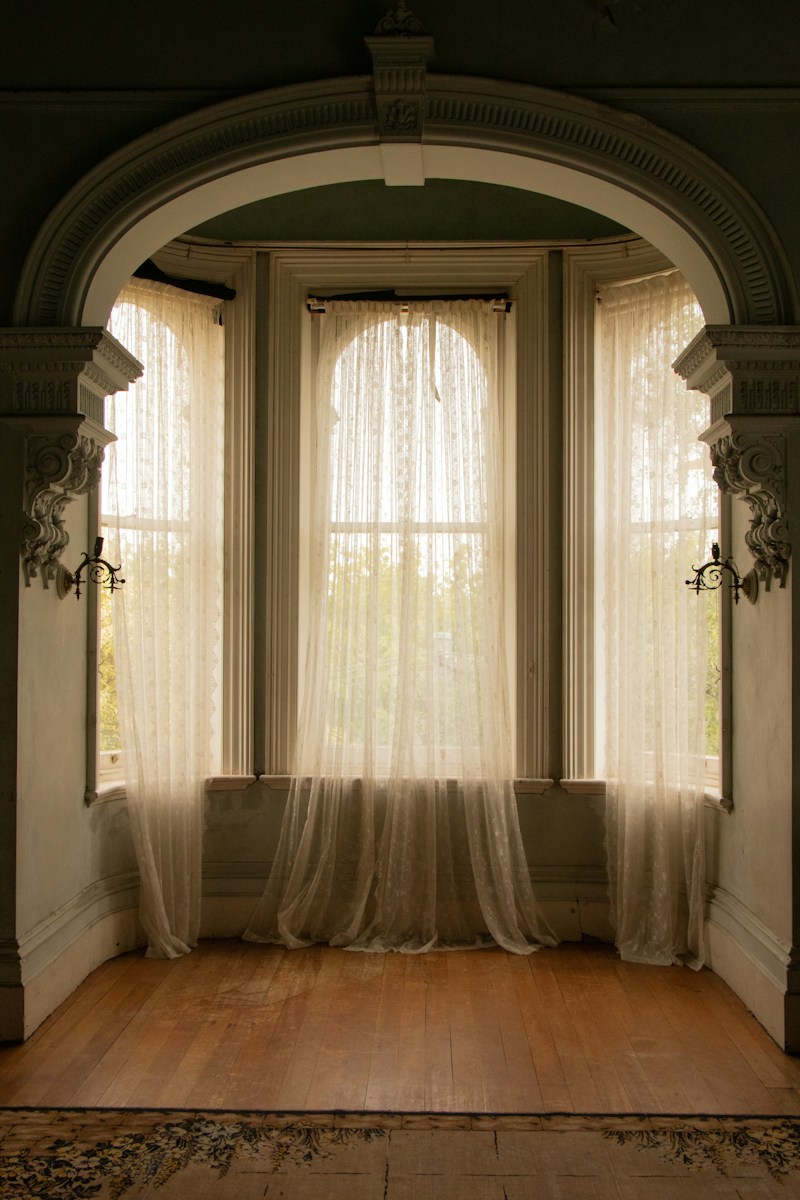
Mounting curtain rods right above the window frame is one of the most common ways a room ends up looking smaller and more budget than intended. Short curtains chop the wall visually, drawing the eye to a stubby rectangle instead of letting the room breathe upward. The fix costs nothing but a drill and some patience: hang rods four to six inches below the ceiling line, and let panels graze the floor rather than hover above it. The illusion of height this creates is disproportionate to how little it costs, which is why designers lean on it so heavily in real, non-staged homes. It’s often the single change that makes a rental-grade room suddenly look custom, and it works in nearly any style of home, from a cozy bungalow to a boxy new-construction great room.
An Area Rug That’s Too Small
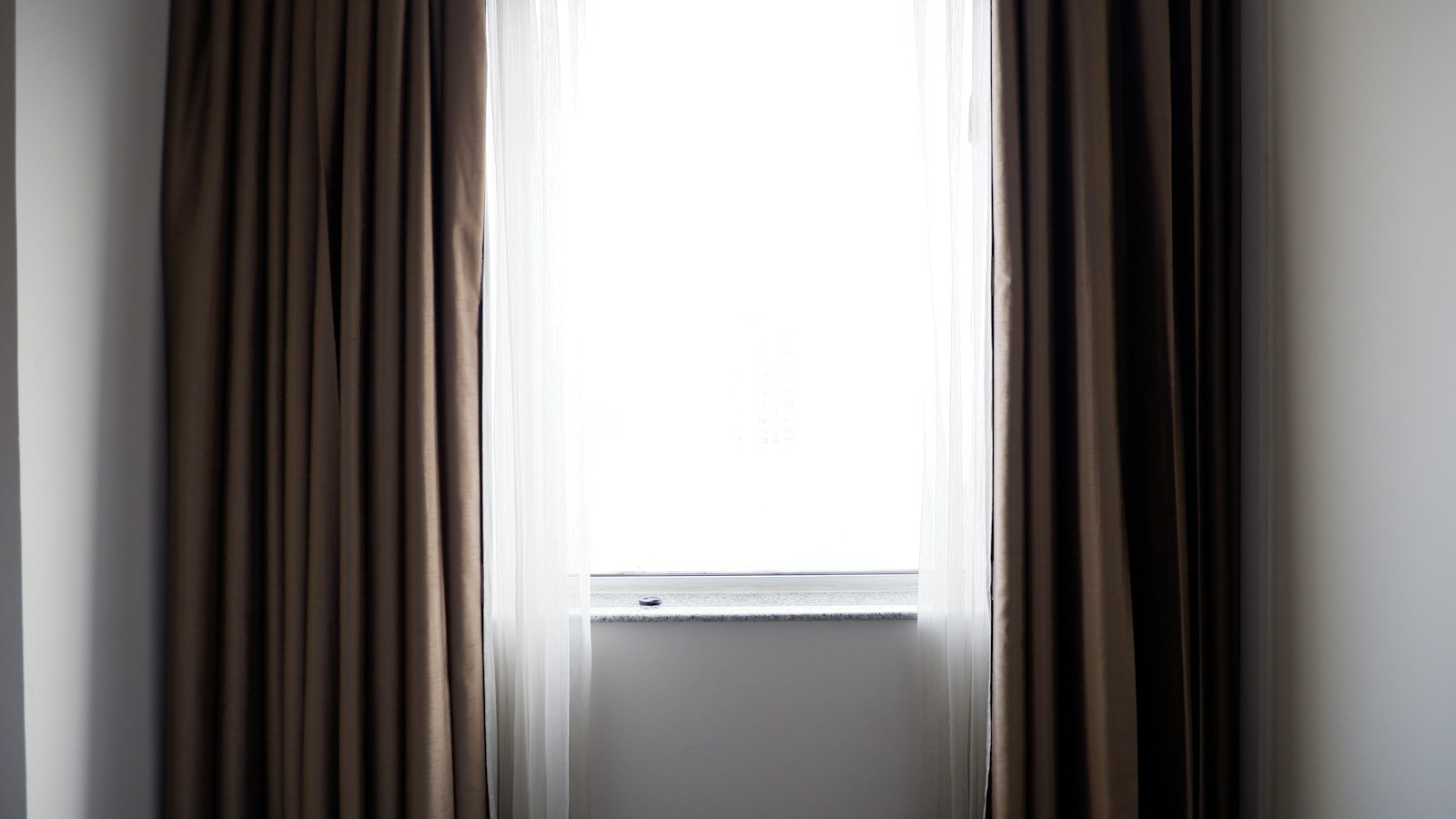
A rug that floats in the middle of the room with all the furniture legs stranded off of it is one of the fastest ways to make a space look thrown together. Undersized rugs break a room into disconnected islands instead of one cohesive seating area. The general rule is to size up until at least the front legs of your sofa and chairs can rest on the rug, which visually anchors the furniture together. It’s tempting to save money by buying a smaller size, but a too-small rug tends to look more like a mistake than a design choice, and it’s one of the first things a visitor’s eye catches even if they can’t articulate why the room feels off. Going a size larger than instinct suggests is almost always the right call.
Mismatched Light Bulb Temperatures
Nothing undercuts an otherwise nice room faster than one lamp glowing warm amber next to another casting a cold, bluish-white light. It reads as neglected rather than intentional, even in a beautifully decorated space. Bulbs are labeled in Kelvin, and sticking to a consistent range, generally in the warm 2700 to 3000 range for living spaces, keeps the whole room feeling cohesive instead of like mismatched fixtures fighting each other. This is a five-minute fix that costs the price of a few bulbs, yet it’s one of the most overlooked reasons a room feels a little “off” in photos and in person. Dimmable warm bulbs in every fixture go a long way toward making a space feel considered rather than assembled piecemeal over time.
Furniture Pushed Against Every Wall
Shoving all the furniture to the perimeter of the room, leaving a big empty void in the middle, is a habit left over from smaller apartments where every inch mattered. In a living room meant for conversation, it creates distance instead of intimacy and makes the room feel like a waiting area rather than a place to relax. Pulling seating in to face each other, even by a foot or two away from the walls, immediately makes a room feel more considered and lived-in. It can feel counterintuitive to “waste” the space behind a sofa, but a narrow console table or simply open floor behind it reads as far more expensive than furniture lined up like a hallway.
Visible Cords and Cluttered Power Strips
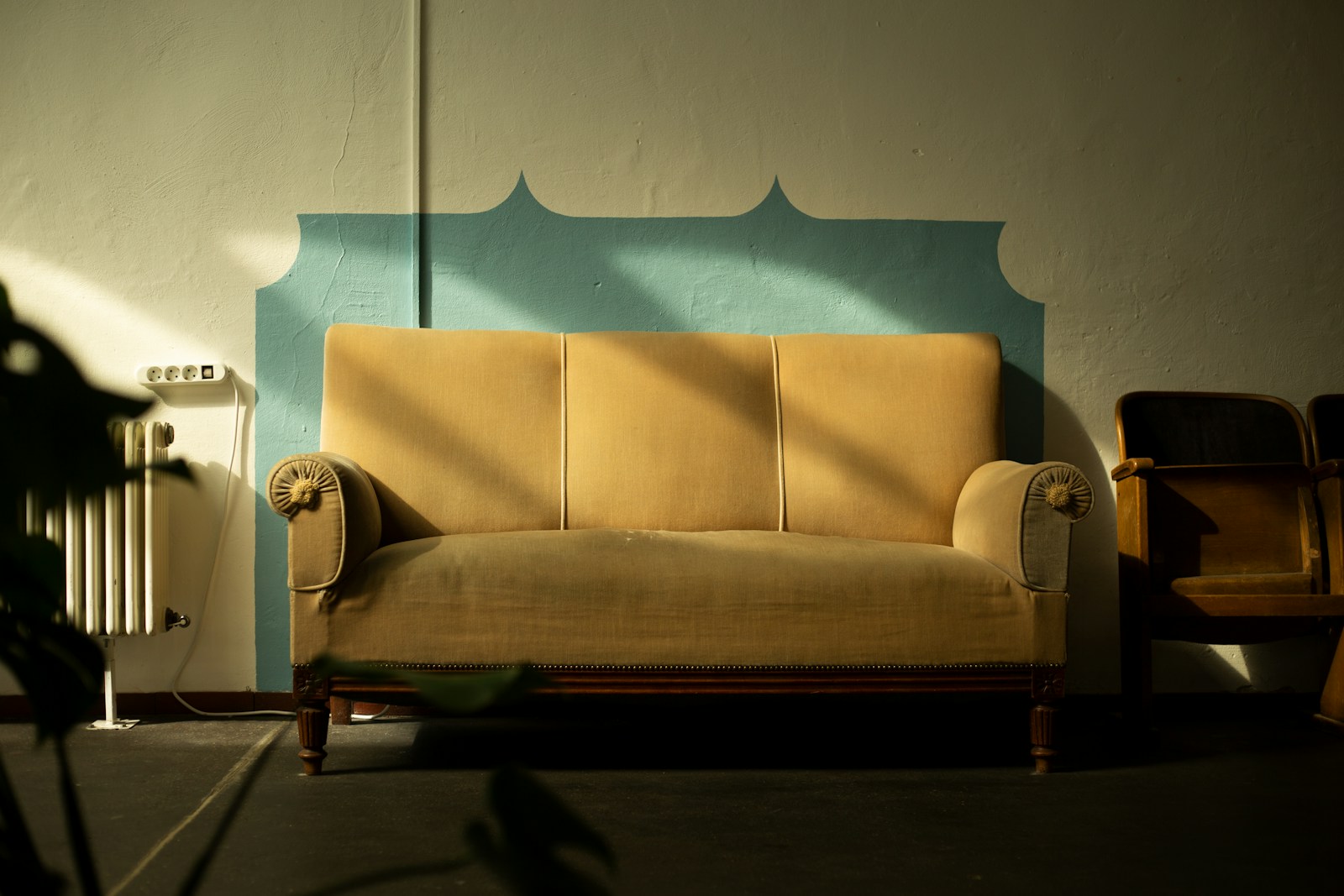
A tangle of cords snaking from the TV, router, and lamps is one of the fastest ways to undercut an otherwise polished room. It doesn’t matter how nice the furniture is if the eye keeps catching a nest of black cables along the baseboard. Cord covers, cable sleeves, or simply routing wires behind furniture rather than across open floor makes a dramatic difference for very little money. Built-in outlets or a small in-wall cord kit for wall-mounted TVs go even further, but even inexpensive adhesive raceways painted to match the wall can hide most of the mess. It’s a small detail, but it’s one that separates a room that looks styled from one that looks merely furnished.
Flat, Builder-Grade White Walls With No Depth
The same stark, slightly cool white that builders use throughout a whole house can leave a living room feeling sterile and unfinished, especially under mixed lighting. Warmer off-whites, soft greiges, or even a deeper accent color on one wall add dimension that flat builder white simply can’t. Paint finish matters too: a flat sheen on walls that get a lot of light and touch can look chalky and cheap over time, while an eggshell or matte finish holds up better and reflects light more evenly. Repainting is one of the highest-impact, lowest-cost changes available, and it’s often the difference between a room that photographs well and one that looks like it’s still waiting for someone to move in.
A Matching Furniture Set Bought All at Once
Buying a full living room set from a single collection, sofa, loveseat, coffee table, and end tables all in the same finish, can look more like a furniture showroom than a home. Rooms that feel collected over time, mixing wood tones, a vintage find, and a couple of newer pieces, tend to read as more intentional and more expensive even when the individual items cost less. It doesn’t mean nothing should match; a room needs some visual thread tying it together, whether that’s a color palette or a shared style era. But swapping even one piece from a matched set for something with a different shape or finish usually makes the whole room feel less like a catalog page and more like an actual home.
Leave a Reply