There’s a version of home shopping where every luxury feature looks like pure upside: the pool, the wine cellar, the elevator, the smart-home system that controls everything from one glowing panel. It’s only after living with these things for a while that the upkeep, the repair bills, and the sheer logistical weight of them start to show up in a way the listing photos never mentioned.
None of these features are mistakes, exactly, and plenty of owners love them enough to do it all again. But they come with a level of ongoing commitment that’s easy to underestimate until you’re the one calling a specialist technician on a Sunday because something stopped working. Here’s what tends to be more demanding than it looks.
In-Ground Swimming Pools
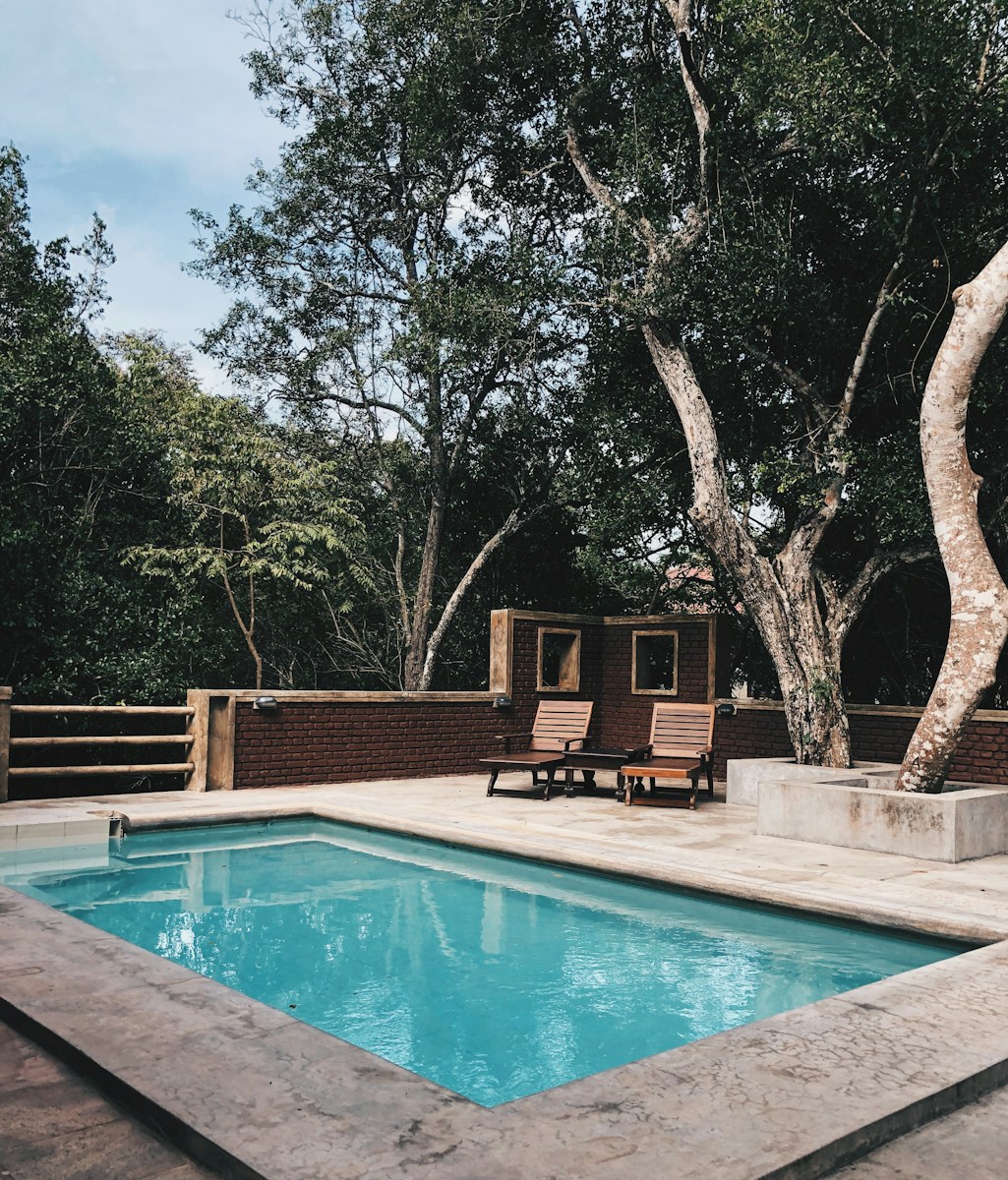
A pool is often the single most requested luxury feature on a wish list, but the ongoing cost and time commitment, chemicals, filtration, seasonal opening and closing, occasional equipment repairs, adds up to real money and real weekends every single year, with typical annual maintenance running well into four figures depending on size and climate. It’s also a feature that narrows the buyer pool when it’s time to sell, since not every household wants the liability and upkeep that comes with one. For families who use it constantly, it’s usually worth it. For a pool that gets used a handful of weekends a summer, the math is a lot less favorable.
Home Elevators
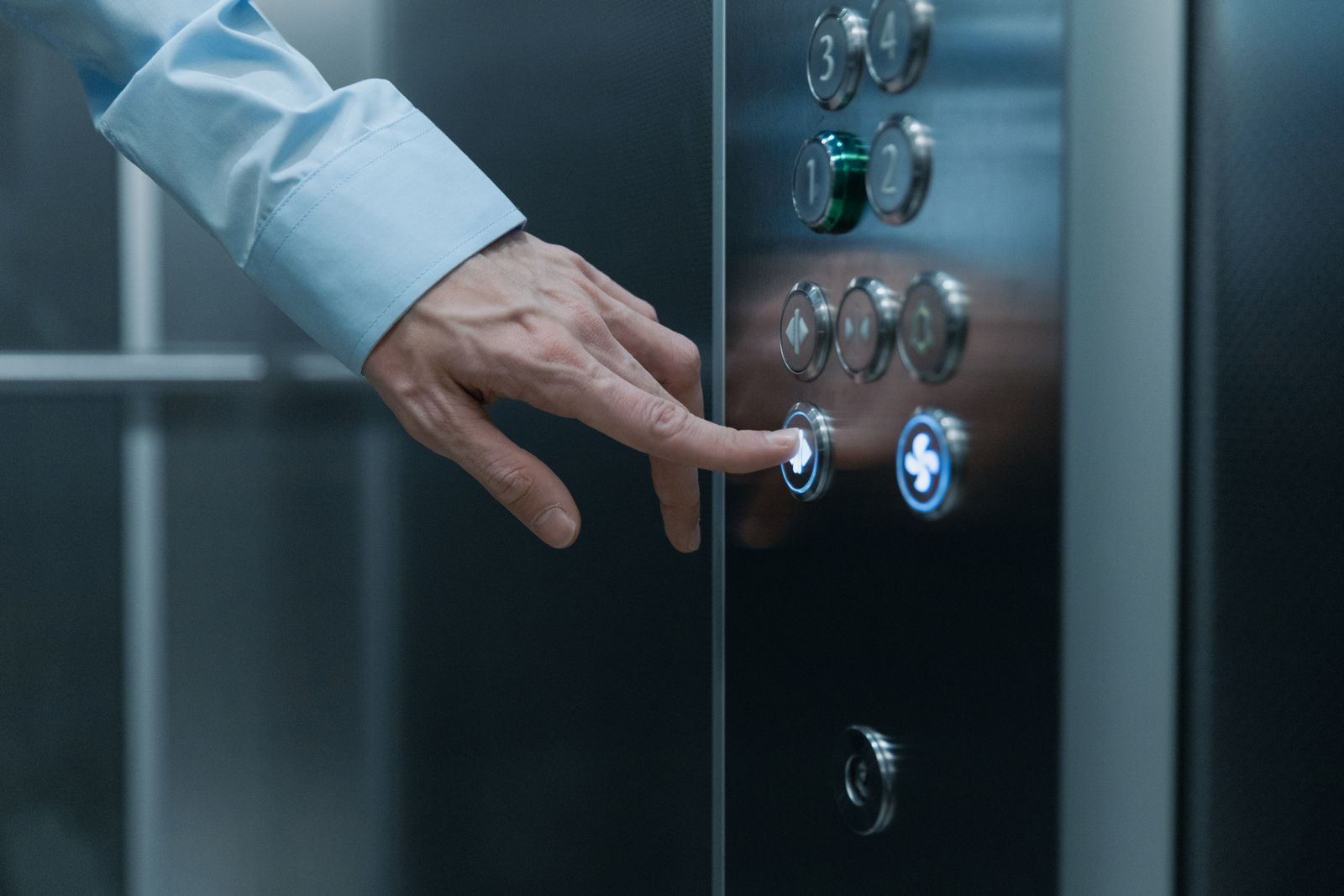
A residential elevator sounds like an unambiguous convenience, especially for aging in place, but it comes with regular inspection requirements, service contracts, and repair costs that can be substantial if a specialized part fails. Because home elevators are far less common than commercial ones, finding a qualified technician can take longer and cost more than homeowners expect when something breaks. It’s a feature that delivers real value for the right household, but one that quietly adds an ongoing maintenance line item most buyers don’t budget for.
Elaborate Smart-Home Automation Systems
Fully integrated smart-home systems that control lighting, climate, security, and entertainment from a single unified platform look impressive in a walkthrough, but they can be genuinely frustrating to live with when a software update breaks compatibility, a hub fails, or the original installer is no longer in business to service it. Buyers inheriting someone else’s custom automation setup often find themselves needing a specialist just to understand how the system works, let alone fix it. Simpler, more standard smart devices tend to age far better than a fully custom, proprietary whole-home system.
Large Wine Cellars With Climate Control
A dedicated, climate-controlled wine cellar is a striking feature, but the cooling system that keeps it at the right temperature and humidity is a mechanical system like any other, one that can fail, needs servicing, and adds to a home’s overall energy load. For collectors who actually fill and rotate a serious collection, it earns its keep. For a cellar that ends up housing a modest, occasional collection, the ongoing electrical and maintenance cost outweighs the actual use it gets.
Outdoor Kitchens With Built-In Appliances
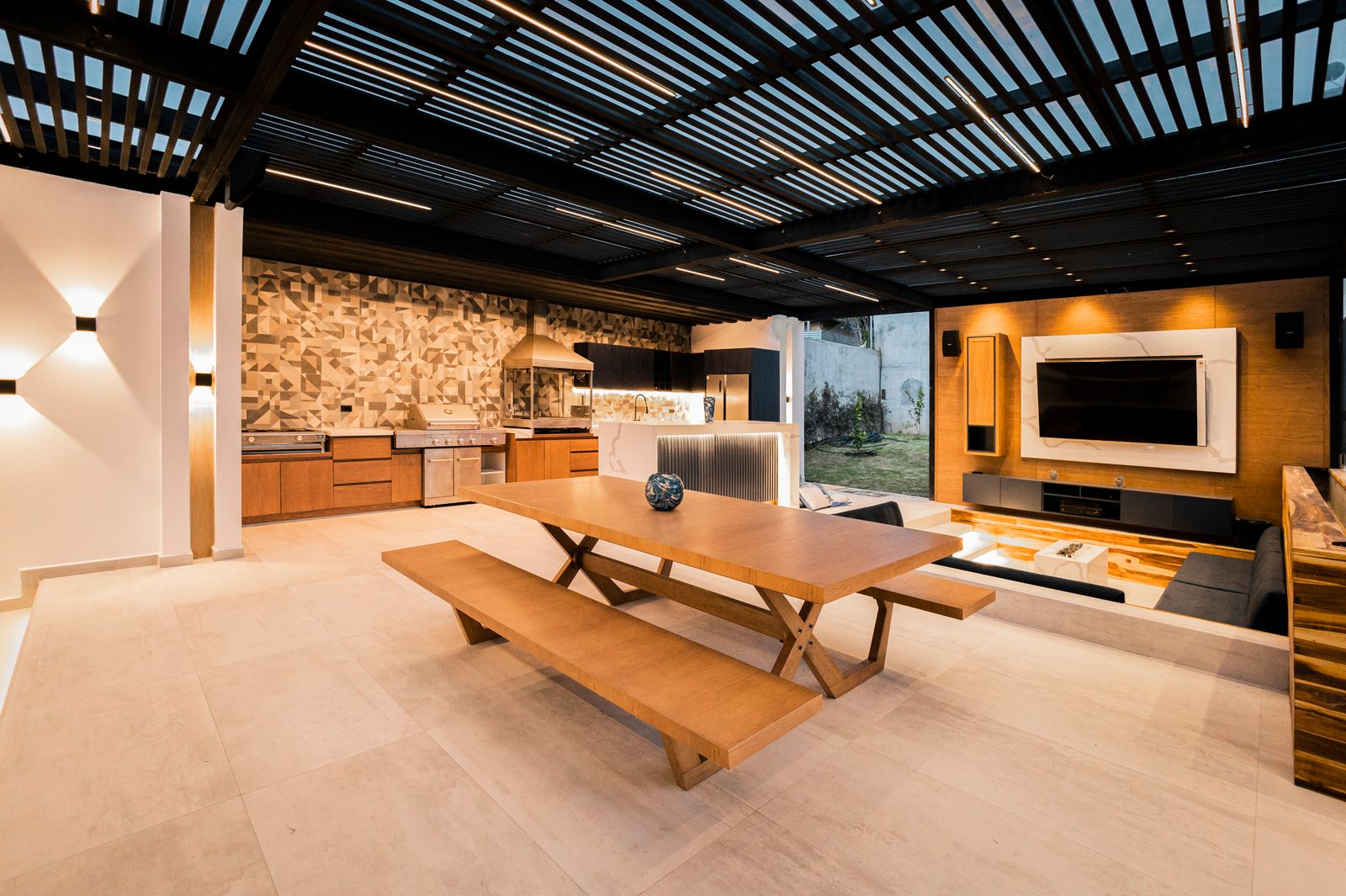
A full outdoor kitchen, built-in grill, refrigerator, sink, sometimes even a pizza oven, sounds like an entertaining dream, but appliances exposed to weather year-round tend to wear out faster than their indoor counterparts, and replacement parts for built-in outdoor units can be pricier and harder to source. In colder climates, some components need to be winterized every year, adding a seasonal task most homeowners don’t think about until the first fall after installation. A simpler grill setup often delivers most of the enjoyment with a fraction of the long-term upkeep.
Home Theaters With Professional-Grade Equipment
A dedicated theater room with a large-format projector, acoustic treatments, and a full surround sound system is a genuine luxury experience, but professional-grade audio and video equipment requires periodic calibration, occasional bulb or component replacement, and can become outdated as technology moves forward faster than a homeowner might replace an entire built-in system. It’s a feature many owners love using regularly, but one that ages differently than a simple large television, which can be swapped for a newer model in an afternoon.
Extensive Formal Landscaping
Manicured gardens, topiary, elaborate hedging, and formal landscape design look stunning when maintained, but they require either significant personal time or an ongoing landscaping contract to keep from looking neglected within a single season of being ignored. Unlike more natural or low-maintenance landscaping approaches, formal designs don’t forgive a missed month of care, they visibly decline. Homeowners who inherit elaborate landscaping from a previous owner sometimes find themselves surprised by how much time or money it takes just to maintain, let alone improve.
Geothermal Heating and Cooling Systems
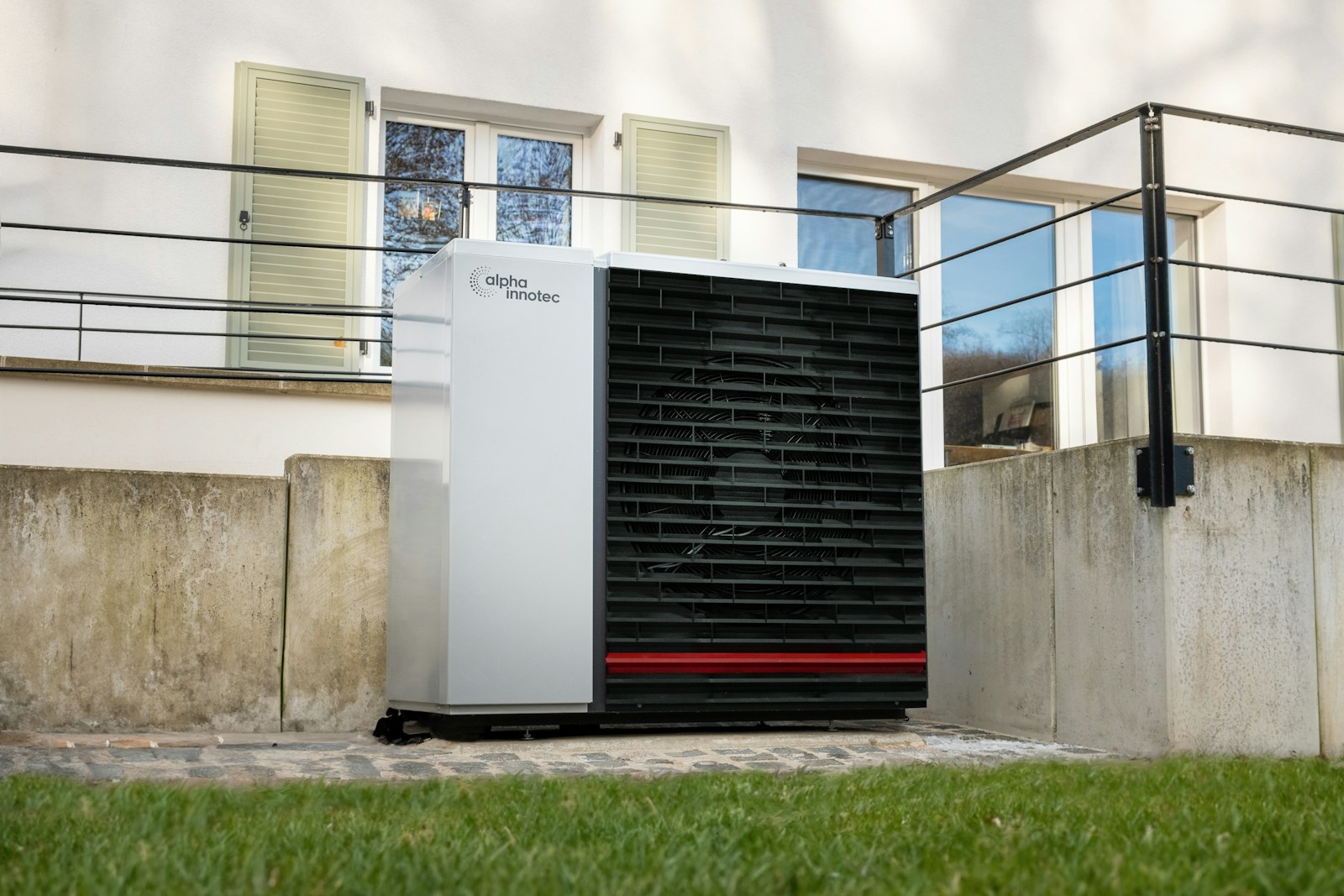
Geothermal systems offer real long-term efficiency benefits, but the specialized equipment involved means repairs, when they’re needed, often require a technician trained specifically on that system rather than a general HVAC contractor, and those specialists can be less common and more expensive to schedule. The upfront installation cost is also considerably higher than a conventional system, which means the payback period stretches out over many years. It’s a strong choice for a homeowner planning to stay put for a long time, and a riskier one for one who might sell in just a few years.
Whole-House Generators
A standby generator that automatically powers the entire house during an outage is a genuine comfort in areas with frequent storms, but it requires regular maintenance, including periodic self-tests, oil changes, and fuel line inspections, to make sure it actually works when it’s needed. A generator that hasn’t been serviced can fail at the exact moment it matters most, which somewhat defeats the purpose of having installed it in the first place. It’s a feature that delivers real peace of mind, but only with the ongoing maintenance discipline to match.
Custom, Oversized Closets With Built-In Everything
An elaborate custom closet system, built-in dressers, dedicated shoe walls, a central island, is a genuine luxury for the right person, but it’s also one of the harder features to modify later if a new owner’s storage needs or style don’t match the original layout. Because it’s typically built directly into the room rather than freestanding, updating a dated or overly specific custom closet system can mean real demolition and rebuilding costs, not just swapping out furniture. What feels perfectly tailored to one household can feel oddly restrictive to the next.
Leave a Reply