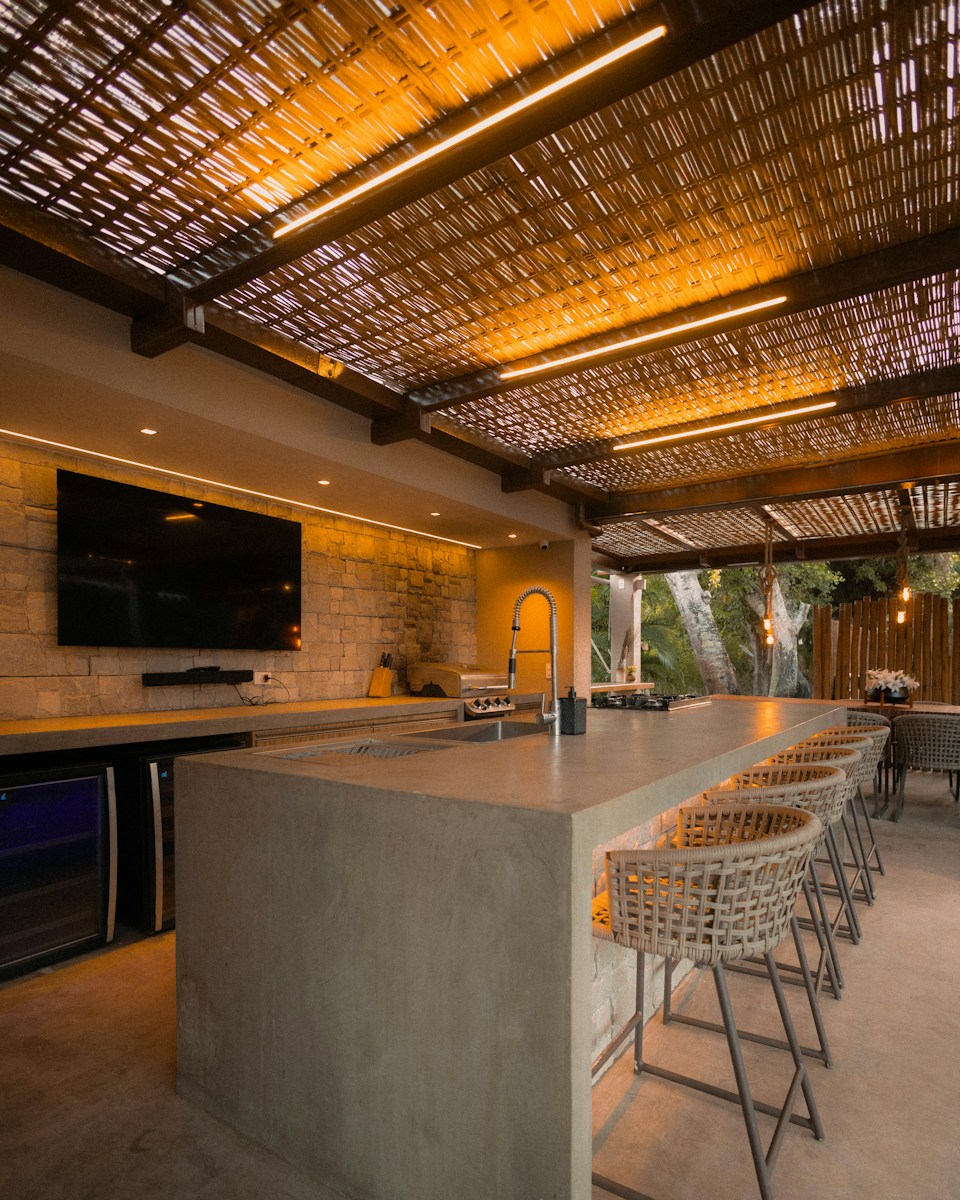
Not every big-ticket renovation pays off the way homeowners imagine when they’re flipping through inspiration photos. Some projects genuinely improve daily life and hold their value, while others rack up huge invoices and still leave owners with a lingering sense that something doesn’t quite match the price tag. Part of the disconnect comes down to return on investment: Zonda’s annual Cost vs. Value report consistently finds that exterior, curb-appeal projects tend to recoup more of their cost at resale than large interior overhauls, which don’t always return what homeowners put into them.
Beyond the resale math, plenty of these projects simply create more disruption, upkeep, or lifestyle mismatch than owners bargained for. Here are the expensive renovations that most often leave people feeling like the juice wasn’t quite worth the squeeze.
A Major Upscale Kitchen Remodel
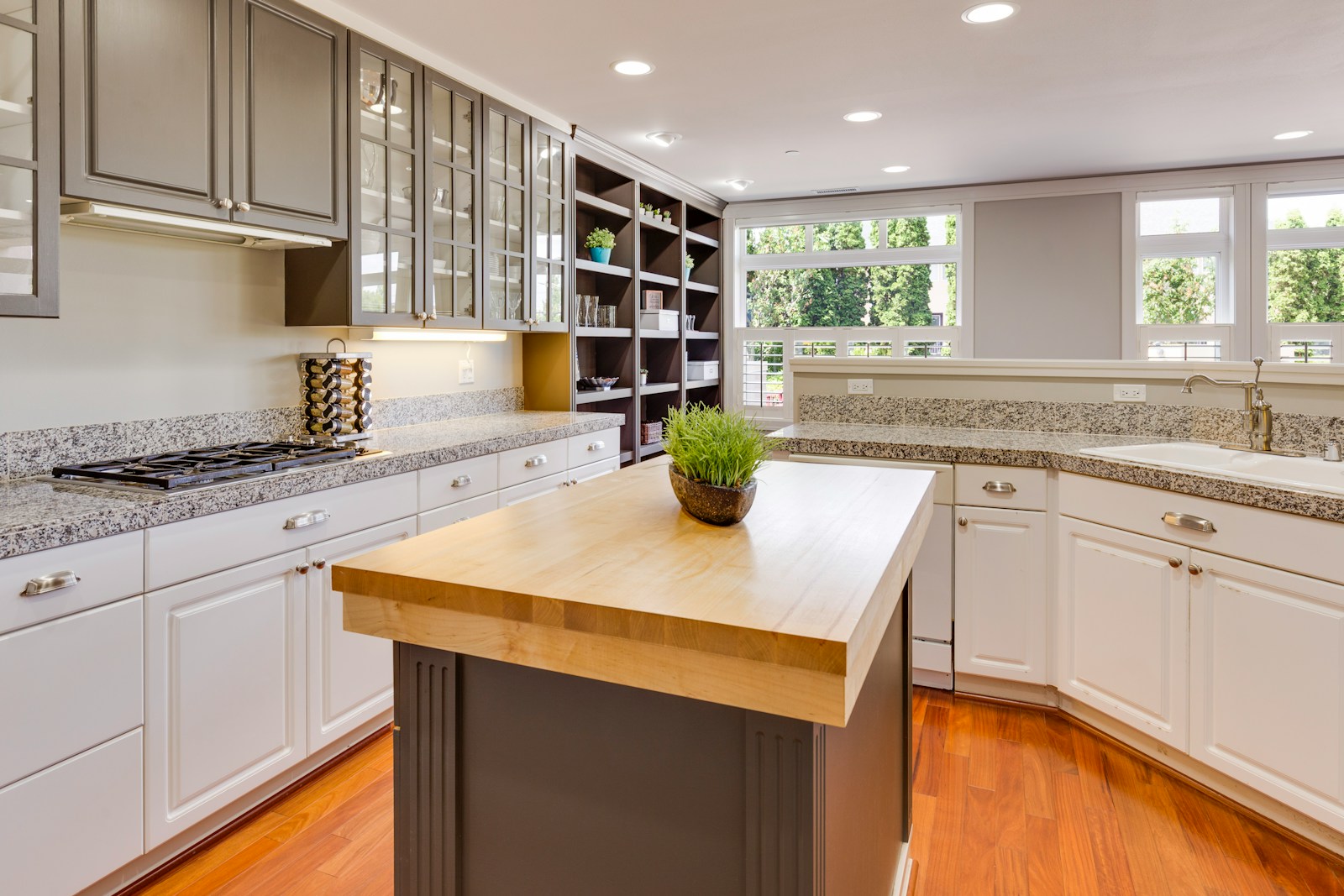
Full gut renovations with high-end appliances, custom cabinetry, and premium countertops are among the most expensive projects a homeowner can take on, often running into six figures. While a refreshed kitchen is genuinely appealing, upscale kitchen remodels tend to recoup a smaller percentage of their cost at resale compared to more modest updates, since buyers don’t always value ultra-premium finishes as much as the price tag suggests they should. The renovation process itself is also famously disruptive, often displacing a household’s cooking routine for weeks or months. Owners frequently report that a more moderate kitchen refresh, new cabinet fronts, updated hardware, and a fresh countertop, delivers a similar visual lift at a fraction of the cost and disruption.
A Primary Suite Addition
Adding an entirely new primary bedroom suite, often with a spa-like bathroom and walk-in closet, is one of the priciest additions a home can undergo, since it typically involves new foundation work, framing, roofing, and full mechanical systems. Despite the expense, primary suite additions don’t always add proportional resale value, especially in a neighborhood where comparable homes don’t have similarly sized suites, since a home’s value is partly capped by what similar properties nearby are selling for. Owners sometimes find themselves with a beautiful new suite that outsizes the rest of the house in both scale and finish level, creating an odd mismatch that doesn’t necessarily translate into recouping the investment down the line.
Converting a Room Into a Dedicated Home Office
Building out a highly specialized home office, with custom built-ins, dedicated wiring, and soundproofing, can be a substantial investment that doesn’t necessarily appeal to the next buyer, who may not need or want a home office at all, or may want it configured completely differently. Overly customized spaces, tailored heavily to one household’s specific work setup, can actually make a room less flexible and less appealing to a broader pool of buyers than a simple, adaptable bedroom or den would be. Owners who invest heavily in specialized office infrastructure sometimes find they get plenty of personal use out of it but see little of that investment reflected when it’s time to sell.
An Elaborate Sunroom Addition
Sunrooms are appealing in theory, but as a renovation investment they often underdeliver, both financially and practically. Many sunrooms aren’t built with the insulation and HVAC integration needed to be usable year-round, which limits how much genuine living space they actually add. Because they’re often treated as a lower priority in a home’s overall systems, appraisers and buyers don’t always value them the same way they would fully integrated square footage. Owners who spent a significant sum on a sunroom sometimes find it functions more like a seasonal bonus room than the four-season living space they envisioned, a gap between cost and daily usefulness that becomes clearer with each passing year.
A Full Outdoor Kitchen and Living Area
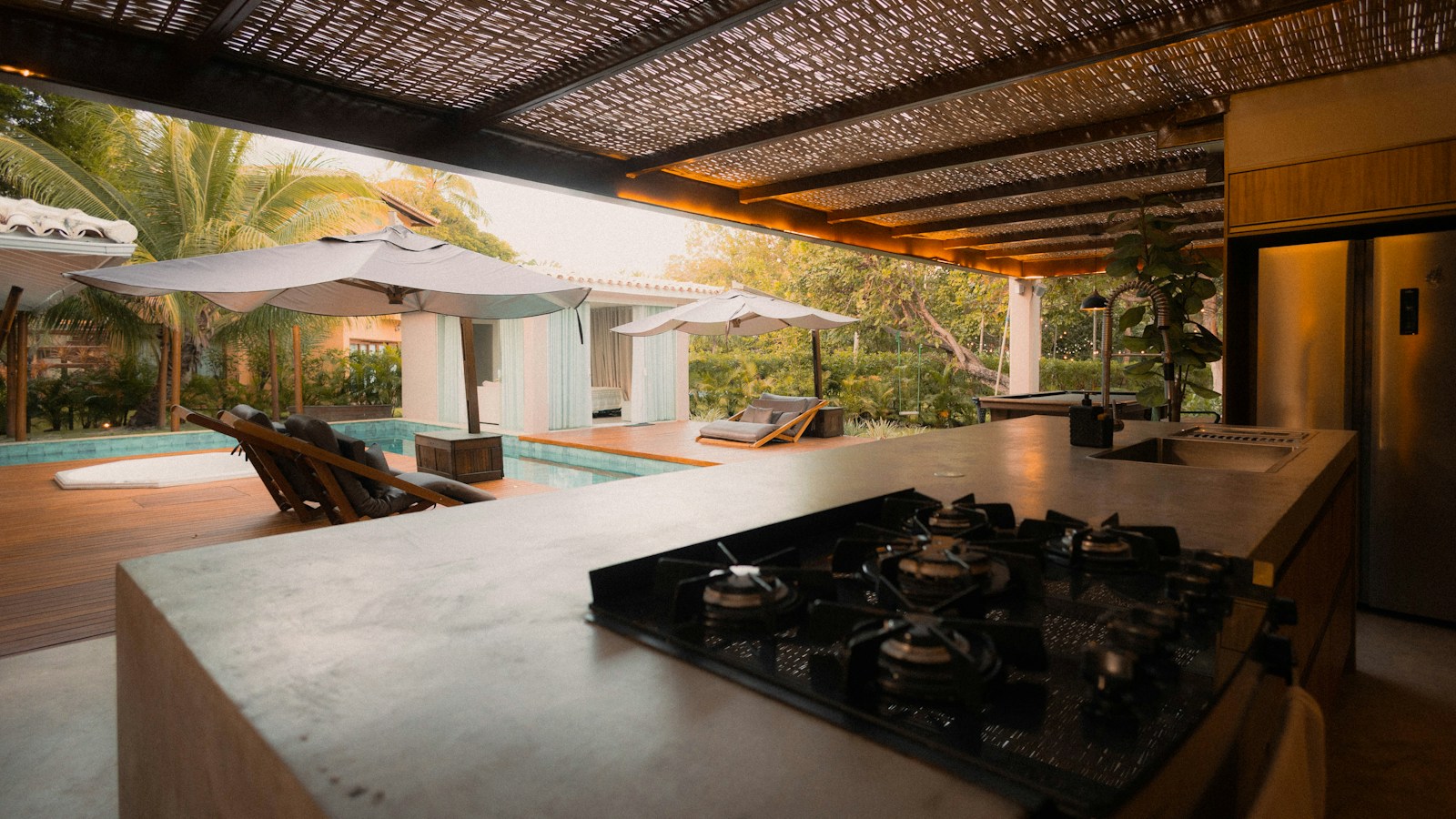
Outdoor kitchens with built-in grills, refrigeration, and covered seating areas have become a popular high-end addition, but they represent a significant investment in a space that, depending on climate, may only get heavy use for part of the year. Outdoor appliances and materials also require weatherproofing and more frequent maintenance than their indoor counterparts, since they’re constantly exposed to the elements. Owners in regions with long, comfortable outdoor seasons tend to get more value out of this investment than those in areas with harsh winters or extreme summers, where the space sits unused for a large portion of the year despite the substantial cost of building it.
A Basement Conversion Into Entertainment Space
Finishing a basement into a home theater, game room, or bar area can be an expensive undertaking once waterproofing, egress requirements, HVAC extension, and finishing work are all factored in. While the added square footage is genuinely useful, basements are also prone to moisture issues, and homeowners sometimes discover water intrusion problems only after finishes have already been installed, leading to costly repairs and repeated finishing work. Below-grade space also doesn’t always command the same resale value per square foot as above-grade living space, meaning the substantial investment doesn’t always translate proportionally into a higher sale price.
Adding a Second Full Bathroom in an Awkward Location
Bathroom additions can add real value, but shoehorning a bathroom into a space that requires extensive plumbing rerouting, like a location far from existing water lines, drives the cost up substantially without necessarily improving the layout in a way buyers appreciate. When the addition compromises the flow of an adjacent room, like carving space out of a bedroom closet, it can create a mismatch that leaves both the new bathroom and the diminished neighboring room feeling like a downgrade rather than an upgrade, despite the real money spent making it happen.
Converting the Garage Into Living Space
Beyond the resale concerns around losing enclosed parking, converting a garage into living space is one of the pricier renovations once insulation, subflooring, HVAC extension, and matching exterior and interior finishes are all accounted for. In colder climates and in neighborhoods where covered parking is genuinely valued by buyers, this conversion can end up costing more than it adds in perceived home value, particularly if it’s not seamlessly integrated with the rest of the house’s design and finish level.
A Custom Wine Cellar
Building a dedicated, climate-controlled wine cellar is a serious investment in specialized construction, insulation, and refrigeration equipment, and it appeals to a genuinely narrow slice of future buyers. Unlike a kitchen or bathroom upgrade with broad appeal, a wine cellar’s value is highly dependent on finding a buyer who shares the same interest, which can limit both resale value and the pool of interested buyers. Owners who built one primarily to entertain occasionally sometimes find the room gets far less regular use than the investment would suggest it should.

A Whole-House Smart Home System Overhaul
Retrofitting an entire existing home with integrated smart lighting, climate control, security, and entertainment systems is an expensive undertaking, and unlike a kitchen or bathroom, technology has a much shorter useful life before it starts to feel dated or becomes incompatible with newer devices. Buyers touring a home with an elaborate proprietary smart system don’t always value it the way the seller hopes, sometimes viewing it as one more thing they’ll need to learn, maintain, or eventually replace rather than a selling point worth paying extra for.
Leave a Reply