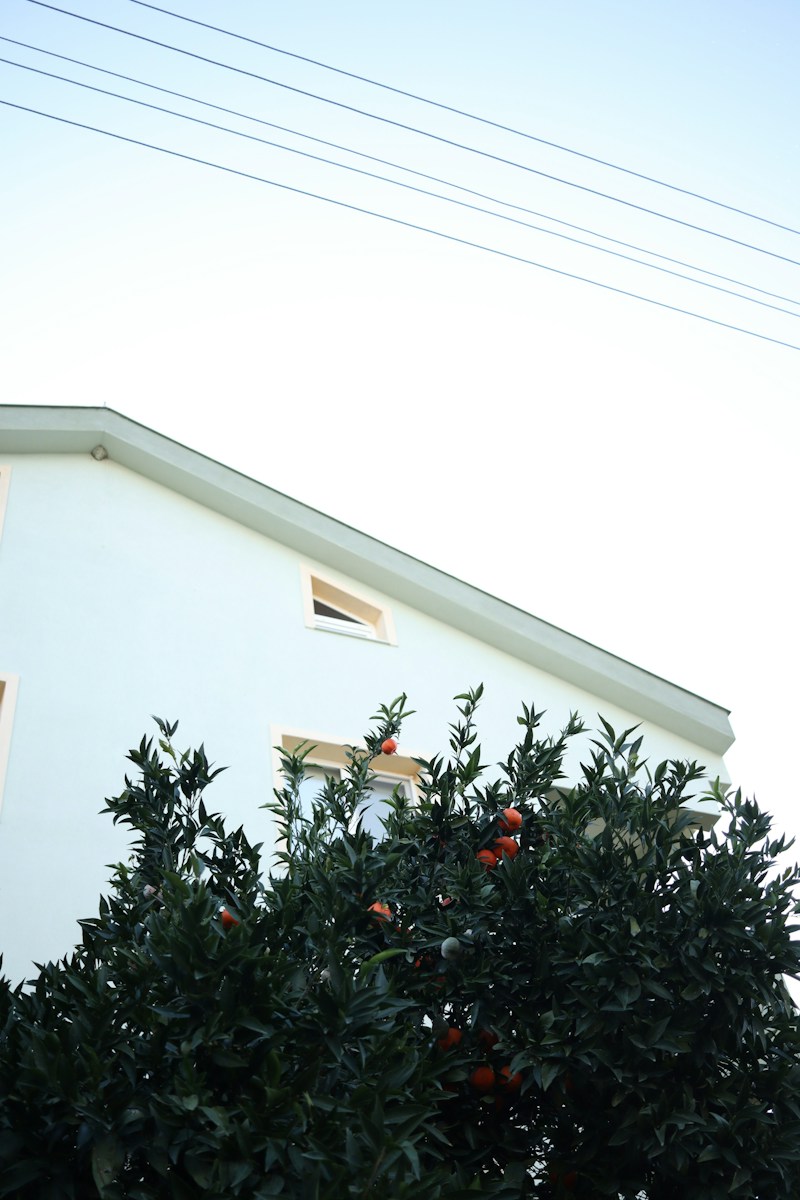
A tree can be one of the best investments a homeowner ever makes, adding shade, privacy, and real curb appeal that takes decades to replicate. But not every tree is a good fit for planting close to a house, and the ones that grow fastest and look most impressive early on are often the same ones that cause the most trouble later. Root systems can extend well beyond a tree’s canopy, and foundation repair specialists point to aggressive, water-seeking roots as a genuine risk to foundations, sewer lines, and driveways when large trees are planted too close to a structure.
None of these species are inherently bad trees, many are beautiful in the right setting, just not within a few dozen feet of a house. Here are twelve trees that arborists and homeowners repeatedly flag as risky choices for planting near a foundation.
Silver Maple
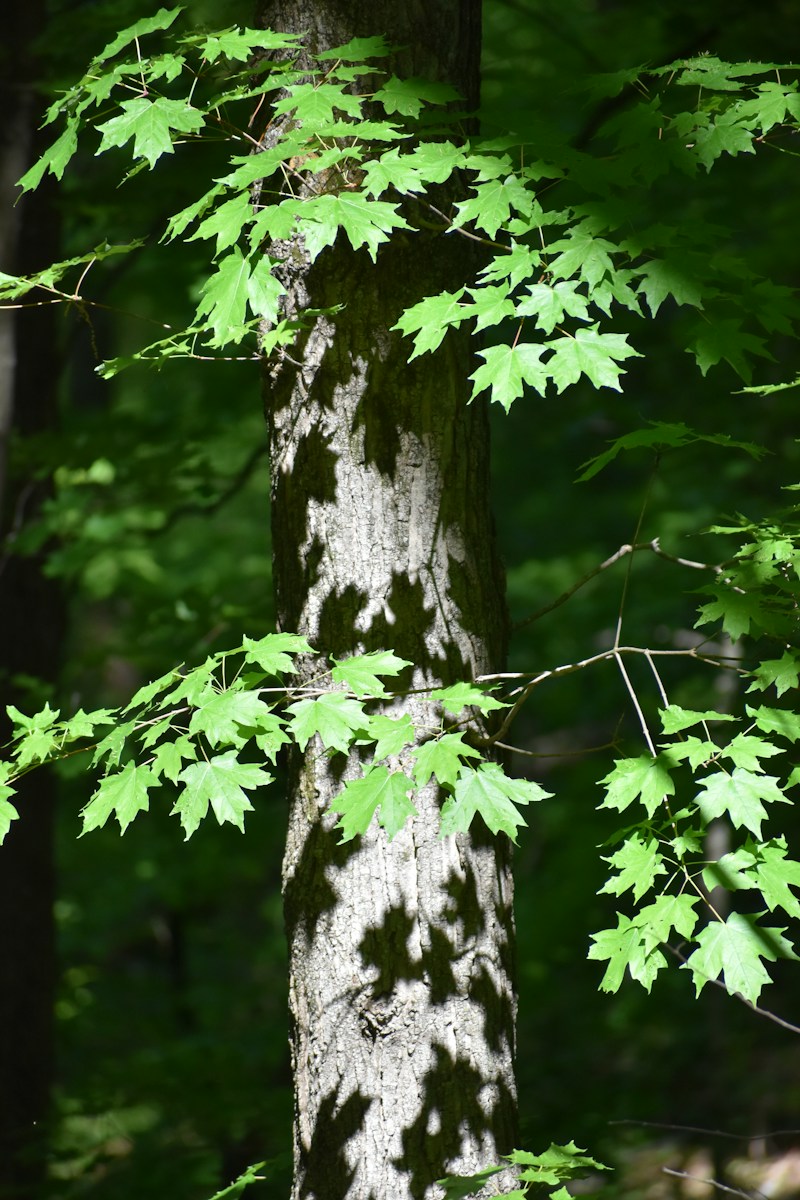
Silver maples grow remarkably fast, which is exactly why they were planted so widely for decades, and exactly why so many homeowners now regret them. Their root systems are aggressive and notoriously shallow, often surfacing in lawns and pushing up against sidewalks, driveways, and foundations as the tree matures. The wood is also relatively weak and prone to splitting in storms, which becomes a real hazard once a mature silver maple towers directly over a roofline. If one is already planted too close to a house, it’s worth having an arborist assess root proximity and structural soundness rather than waiting for a storm to make the decision.
Weeping Willow
Willows are famous for one very specific behavior: their roots aggressively seek out any available water source, including buried pipes, septic lines, and irrigation systems. A weeping willow’s root system can extend far beyond what its graceful canopy suggests, and cracked sewer lines and clogged drainage pipes are a common complaint among homeowners who planted one too close to the house or a utility line. They also grow quickly to a substantial size, which many buyers underestimate when a young sapling still looks manageable. Willows are best kept well away from structures and any underground plumbing, ideally near a pond or low area where their thirst for water works in their favor instead of against the plumbing.
Cottonwood and Hybrid Poplar
Cottonwoods and poplars grow astonishingly fast, which makes them tempting for anyone wanting quick shade, but that speed comes with weak, brittle wood that drops large limbs with little warning, especially in wind or ice storms. Their roots are also aggressive and shallow, frequently causing pavement heaving and foundation issues within a couple of decades of planting. Cottonwoods additionally produce a well-known cottony seed fluff each spring that can be a genuine nuisance for anyone with allergies or a pool nearby. Given how large and fast they grow, most arborists recommend keeping them far from any structure, well beyond what feels necessary when the tree is still a sapling.
Sweetgum
Sweetgum trees offer genuinely beautiful fall color, which is part of why they remain popular in landscaping. The tradeoff is a combination of aggressive surface roots that can lift sidewalks and driveways, and the notorious spiky seed pods that drop by the hundreds each year, which are unpleasant to step on barefoot and tedious to rake up. Planted too close to a patio or walkway, the root heaving alone can become an expensive repair over time. Homeowners who love the fall color but not the mess increasingly look to smaller, fruitless cultivars bred specifically to skip the seed pod problem.
Bradford Pear
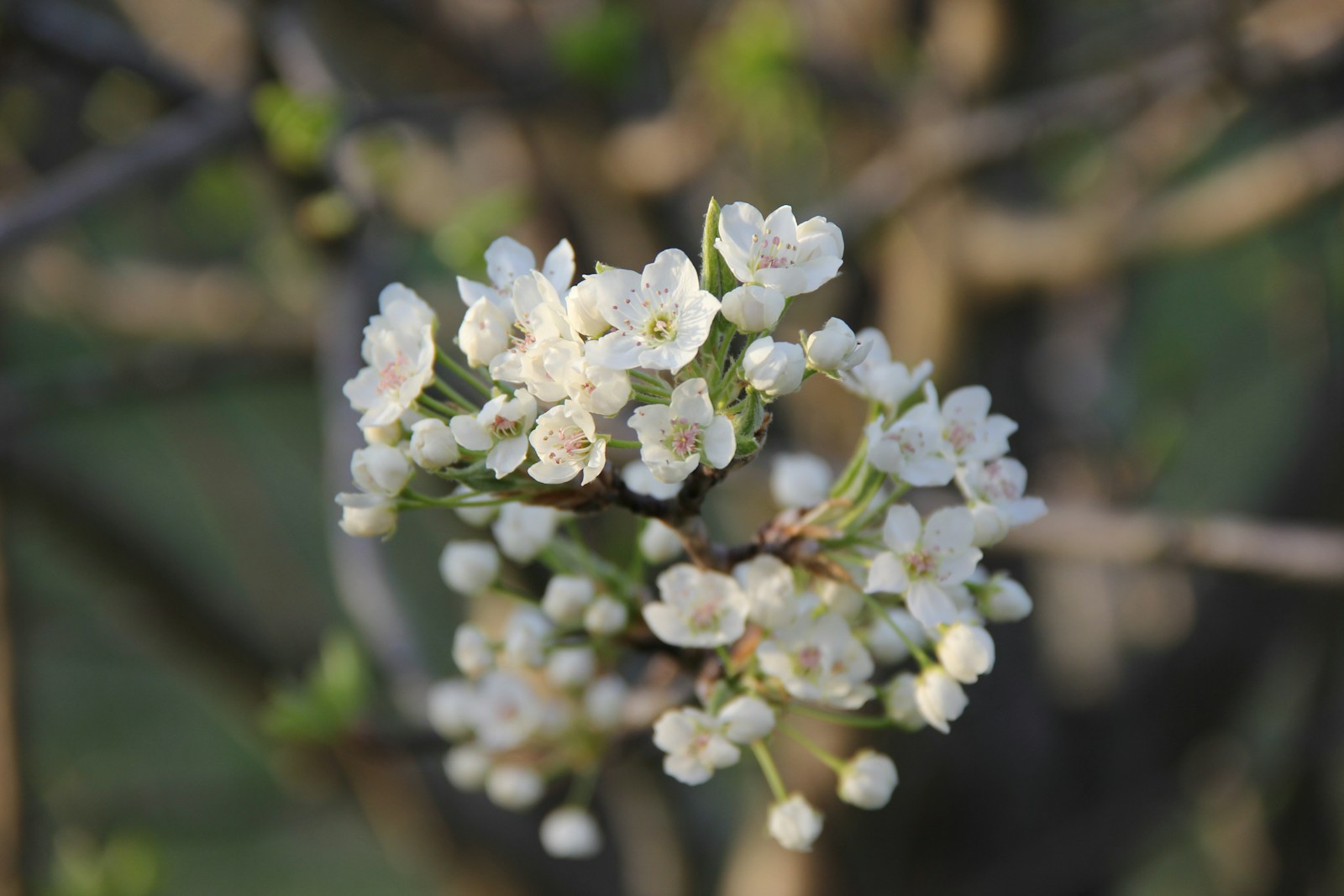
The Bradford pear was planted extensively for its fast growth and reliable spring blooms, but its branch structure has a well-documented structural flaw: branches grow at narrow angles that make the entire tree prone to splitting apart in storms, sometimes catastrophically, once it reaches maturity. A large limb failure that close to a house can mean real roof or siding damage. Bradford pears are also now considered invasive in a number of regions, since they cross-pollinate with other ornamental pears and spread aggressively into wild areas. Many states and municipalities now actively discourage or restrict new planting, and homeowners with an aging one near the house are often advised to have it inspected regularly for structural weakness.
Black Walnut
Black walnut trees are valued for their wood and their nuts, but they present a unique problem for anything planted nearby: their roots release a compound called juglone that’s toxic to many other plants, making it difficult to landscape underneath or near a mature black walnut. The falling nuts themselves are also heavy enough to dent a car roof or crack pavement, and they create a substantial cleanup task each fall. Roots can extend well beyond the tree’s dripline searching for space and water, which becomes a real consideration for anything planted downhill or close to a foundation. It’s a valuable tree in the right spot, typically well out in a yard away from gardens, patios, and the house itself.
River Birch
River birches are popular for their attractive peeling bark and relatively fast growth, but they have shallow, wide-spreading root systems that can interfere with foundations, septic systems, and underground utilities when planted too close to a structure. They also shed bark, leaves, and small branches fairly continuously throughout the year, which means more regular cleanup than many homeowners expect from what looks like a tidy ornamental tree. River birches do best in consistently moist soil, which sometimes means they seek out a home’s foundation drainage or downspout runoff if planted nearby. Keeping them at a healthy distance avoids both the root competition and the constant litter close to the house.
Norway Maple
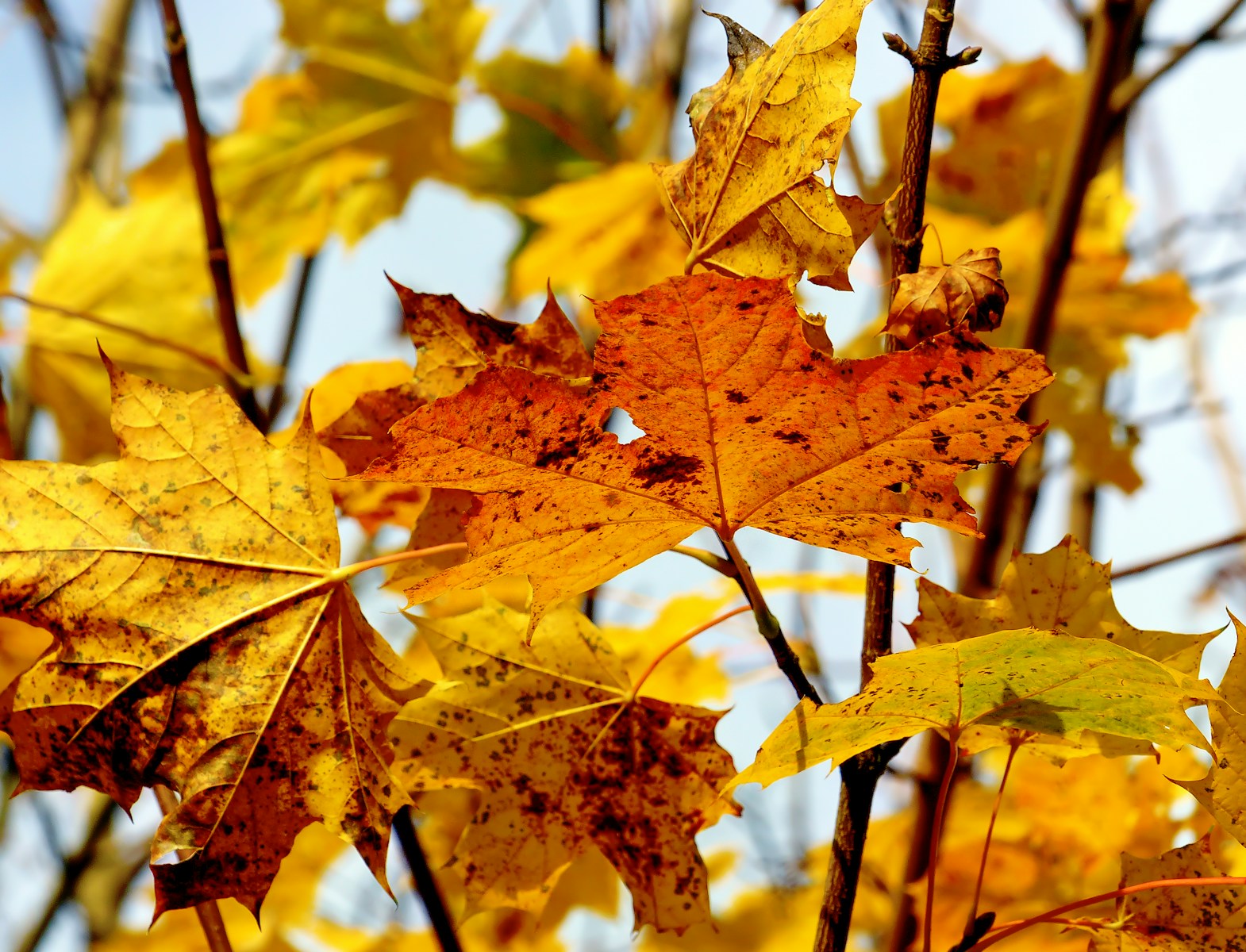
Norway maples cast dense, heavy shade and grow a thick mat of shallow roots that outcompete grass and other plants for water directly beneath the canopy, often leaving a bare, hard-packed patch of ground. Those same shallow roots are known to heave sidewalks, patios, and even shallow foundations over time. The species is also classified as invasive in a number of states, since it spreads aggressively into natural forest areas and displaces native tree species. Many extension offices and municipalities now recommend against planting new Norway maples at all, and homeowners with an existing one close to the house should watch for root damage to nearby hardscaping.
White Mulberry
Mulberry trees grow quickly and provide dense shade, but the fruit they drop is a genuine ongoing mess, staining driveways, sidewalks, decks, and anything parked underneath for weeks each summer. Their root systems are also aggressive and have been known to infiltrate sewer lines and foundations in search of water, similar to other fast-growing shade trees. Birds are drawn to the fruit in large numbers, which comes with its own cleanup considerations on nearby surfaces. A fruitless mulberry cultivar solves the staining problem, but the aggressive root behavior remains a reason to keep any mulberry variety a good distance from the house.
Siberian Elm
Siberian elms were planted widely because they grow fast and tolerate poor soil and harsh conditions, but that same toughness comes with brittle, weak wood that drops branches frequently, even without a major storm. Their root systems are aggressive and shallow, commonly cited among the more damaging tree roots for driveways, sidewalks, and foundations. They also self-seed prolifically, and many regions now consider them a weedy, invasive species that pops up uninvited in fence lines and garden beds. Given the combination of weak limbs and aggressive roots, most arborists recommend removal or significant distance from any structure rather than long-term coexistence.
Eucalyptus
Eucalyptus trees are prized in warmer climates for their fast growth, fragrant leaves, and drought tolerance, but they come with a distinct set of risks near a home. Their bark and leaf litter are highly flammable, contributing to fire risk in dry regions, and mature eucalyptus trees are known for dropping large limbs unpredictably, even in calm weather, a phenomenon well documented enough to have earned nicknames in some circles. Their root systems also spread aggressively in search of water, competing with anything planted nearby and sometimes affecting foundations and pavement. In wildfire-prone areas particularly, many fire safety guidelines recommend keeping eucalyptus and similarly flammable trees a substantial distance from any structure.
Empress Tree (Paulownia)
The empress tree grows astonishingly fast, sometimes several feet in a single season, which makes it tempting for anyone wanting quick shade or privacy screening. That speed comes at the cost of weak, brittle wood prone to storm damage, and an aggressive root system that can crack pavement and interfere with foundations as the tree matures rapidly. It’s also classified as invasive in a number of states, since it produces enormous quantities of seed that spread easily into wild areas and disturbed land. What looks like an efficient shortcut to a mature-looking yard often turns into a maintenance and removal problem within a decade, which is why most extension services steer homeowners toward slower-growing, sturdier alternatives instead.
Leave a Reply