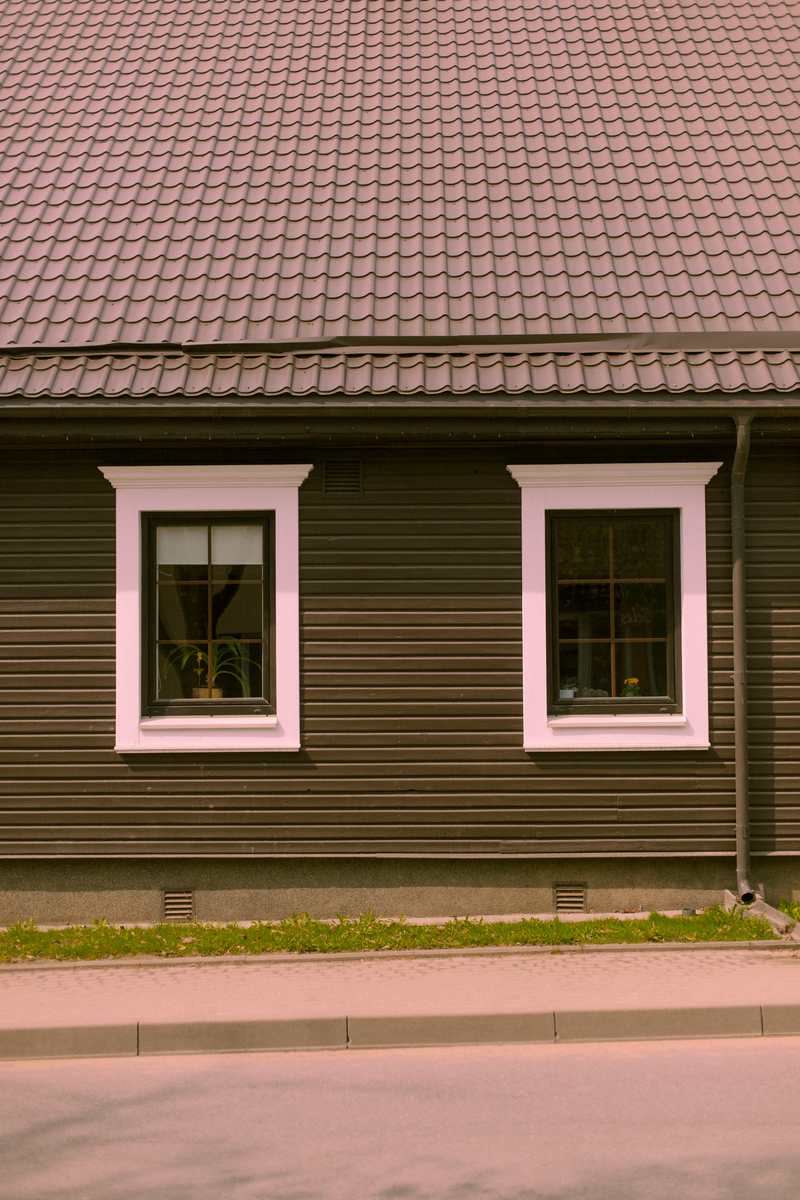
Older homes come with a kind of built-in romance, solid hardwood floors, generous moldings, a sense of permanence that new construction rarely matches. That romance is real, but it can also make buyers overlook the practical reality that a house built decades ago was built to decades-ago standards, using materials and systems that have since been replaced for good reason. The charm is genuine, but so is the bill that sometimes follows it.
None of this means older homes are a bad investment, many are wonderful, well-built, and worth every bit of extra care. But going in with clear eyes about where the hidden costs tend to hide can prevent a dream house from becoming a financial surprise machine.
Outdated Electrical Systems
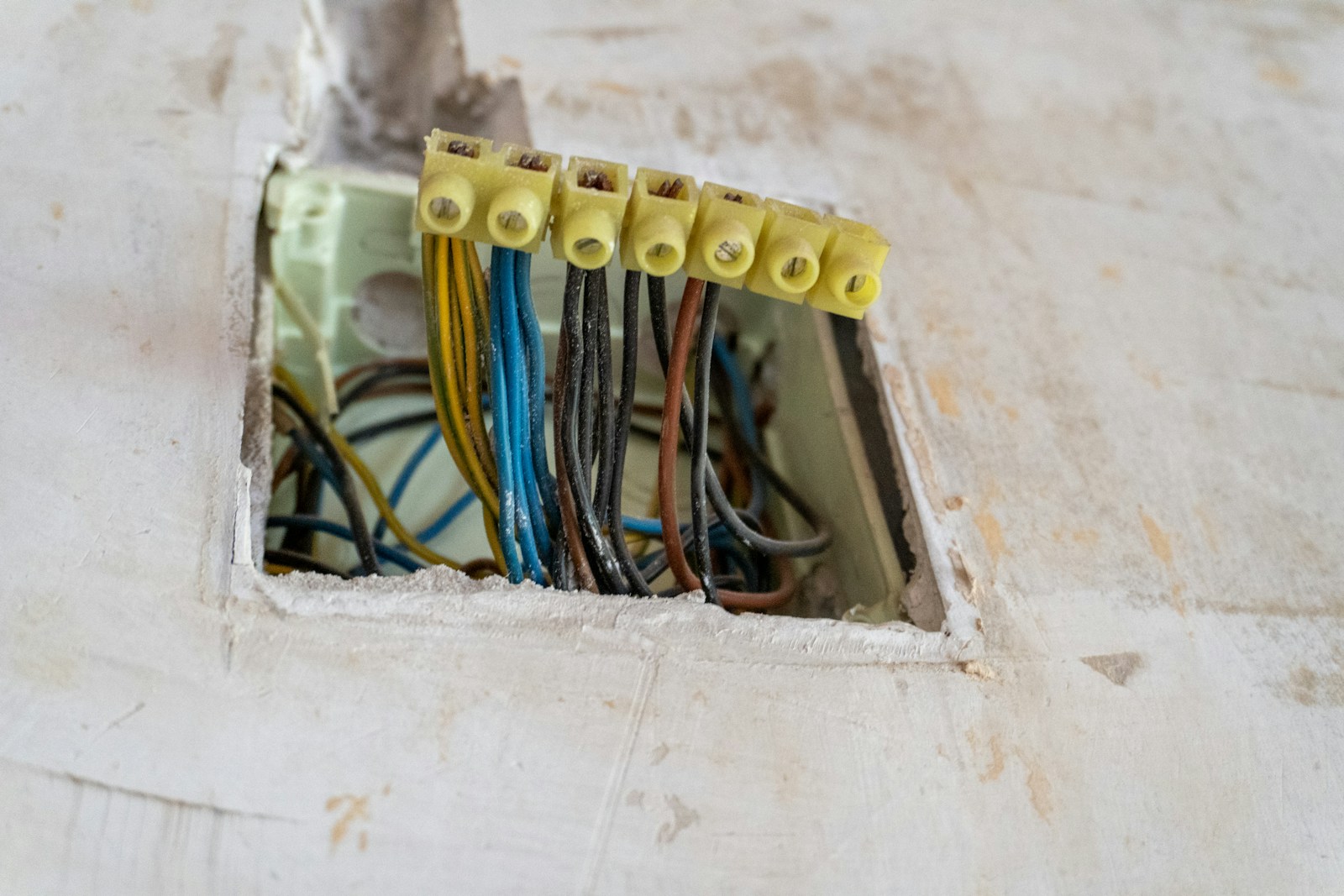
Homes built before the 1960s sometimes still have knob-and-tube wiring or an electrical panel that can’t safely support modern appliance loads, and some insurance companies will decline coverage or require an upgrade before issuing a policy on a home with this kind of outdated wiring still in place. A full rewiring project can run into the tens of thousands of dollars depending on the size of the home, and it’s not always visible without an electrician’s inspection. Asking specifically about the age and type of wiring, not just whether the lights work, is essential before buying an older home.
Lead-Based Paint
Any home built before 1978 is legally presumed to potentially contain lead-based paint under federal disclosure rules, and sellers of these homes are required to disclose known lead hazards and provide buyers an opportunity to test before finalizing a purchase. Remediation, especially in homes with deteriorating paint or planned renovations that disturb old paint layers, can be a costly and carefully regulated process. This is especially important for buyers with young children, since lead exposure risk is a serious health consideration.
Galvanized or Cast Iron Plumbing
Older plumbing materials like galvanized steel or cast iron pipes corrode from the inside over decades, gradually restricting water flow and eventually failing, sometimes with little external warning until a pipe actually bursts inside a wall or under a slab. Replacing whole-house plumbing is invasive and expensive, often requiring walls or flooring to be opened up. Asking whether original plumbing has ever been updated, and having a plumber inspect visible pipes during an inspection, can reveal how much runway is left before a major repair becomes necessary.
Aging or Undersized HVAC Systems
Heating and cooling systems installed decades ago were often designed for a different, less demanding standard of comfort, and retrofitting central air into a home that never had it can be a significant undertaking, especially in homes without existing ductwork. Even homes with existing systems may have equipment well past its expected service life, quietly running less efficiently and pushing utility bills higher every year. Understanding the age and condition of HVAC equipment upfront helps avoid a surprise mid-summer breakdown and a rushed, expensive replacement.
Asbestos in Insulation, Flooring, or Siding
Many building materials commonly used through the mid-20th century, including certain insulation, floor tiles, and siding products, can contain asbestos, which is only a health concern when the material is disturbed or deteriorating. Renovation projects that disturb these materials without proper precautions can be both a health risk and a costly remediation project once discovered. A specialized inspection before any major renovation on an older home is a worthwhile precaution, even when the home otherwise looks to be in great shape.
Foundations That Have Settled Unevenly Over Decades
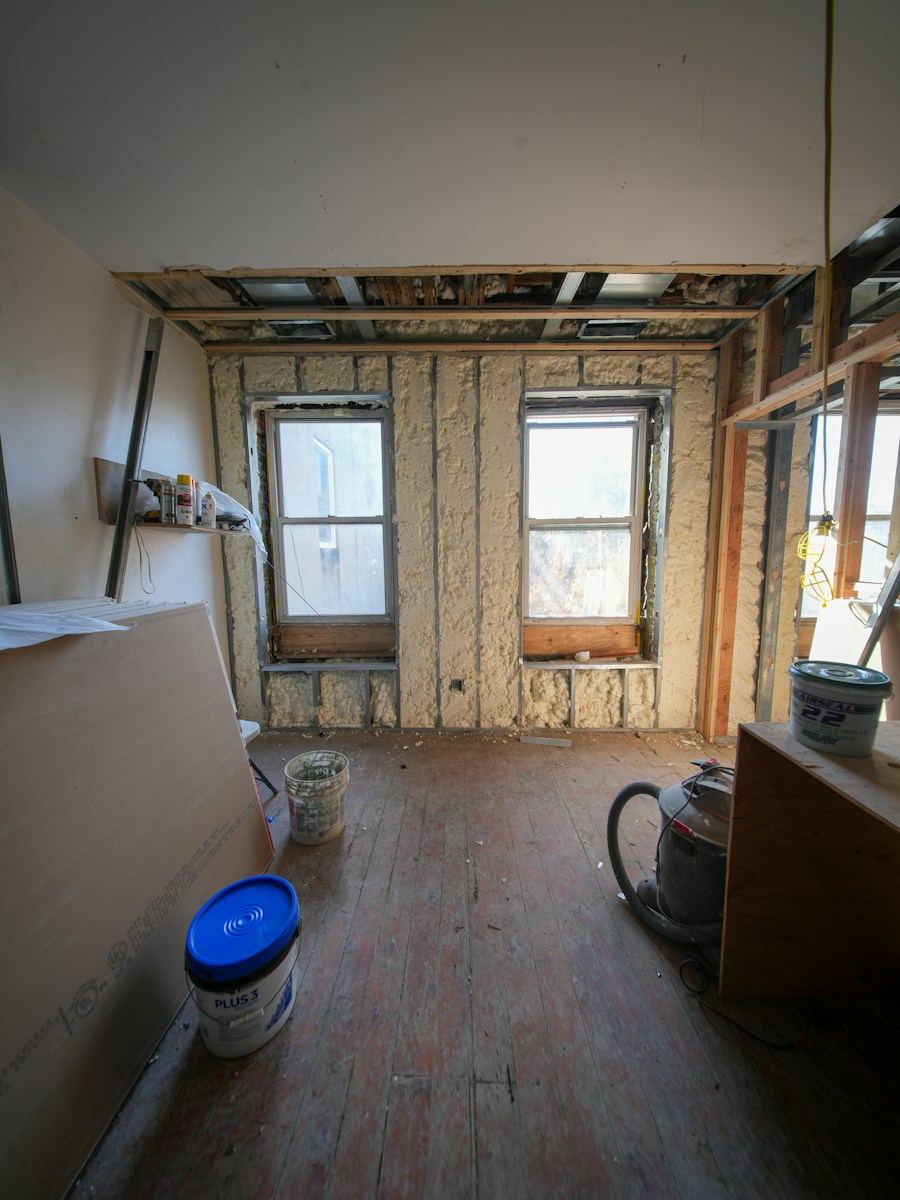
Older homes have simply had more time for soil conditions, moisture, and settling to affect their foundations, and issues that were manageable for decades can accelerate once a foundation reaches a certain age or if drainage around the home has changed over the years. Foundation repairs range widely in cost depending on severity, but they are consistently among the most expensive line items a homeowner can face. A structural engineer’s opinion, not just a general home inspector’s, is worth the extra cost for any older home showing warning signs like sloping floors or persistent cracks.
Windows That Look Charming but Perform Poorly
Original single-pane windows are often cited as one of an older home’s most beloved character features, but they also perform far worse thermally than modern double or triple-pane options, meaning higher heating and cooling costs every single year until they’re addressed. Replacing a whole house’s worth of custom or historic-style windows to match original character can be considerably more expensive than standard replacement windows. Weighing the charm of original windows against their real ongoing energy cost is worth doing honestly before falling for a home based on its windows alone.
Roofing That’s Nearing or Past Its Expected Lifespan
A roof’s age isn’t always obvious from the ground, and older homes sometimes have multiple layers of roofing material installed over decades rather than proper tear-offs, which can complicate and increase the cost of an eventual full replacement. A roof that’s failing isn’t just an expense of its own, it can also lead to water damage, mold, and structural issues if leaks go unnoticed for any length of time. Requesting the roof’s actual age and inspection history, rather than assuming it’s fine because there’s no visible leak yet, is a basic step that protects against one of the more expensive surprises in older home ownership.
Leave a Reply