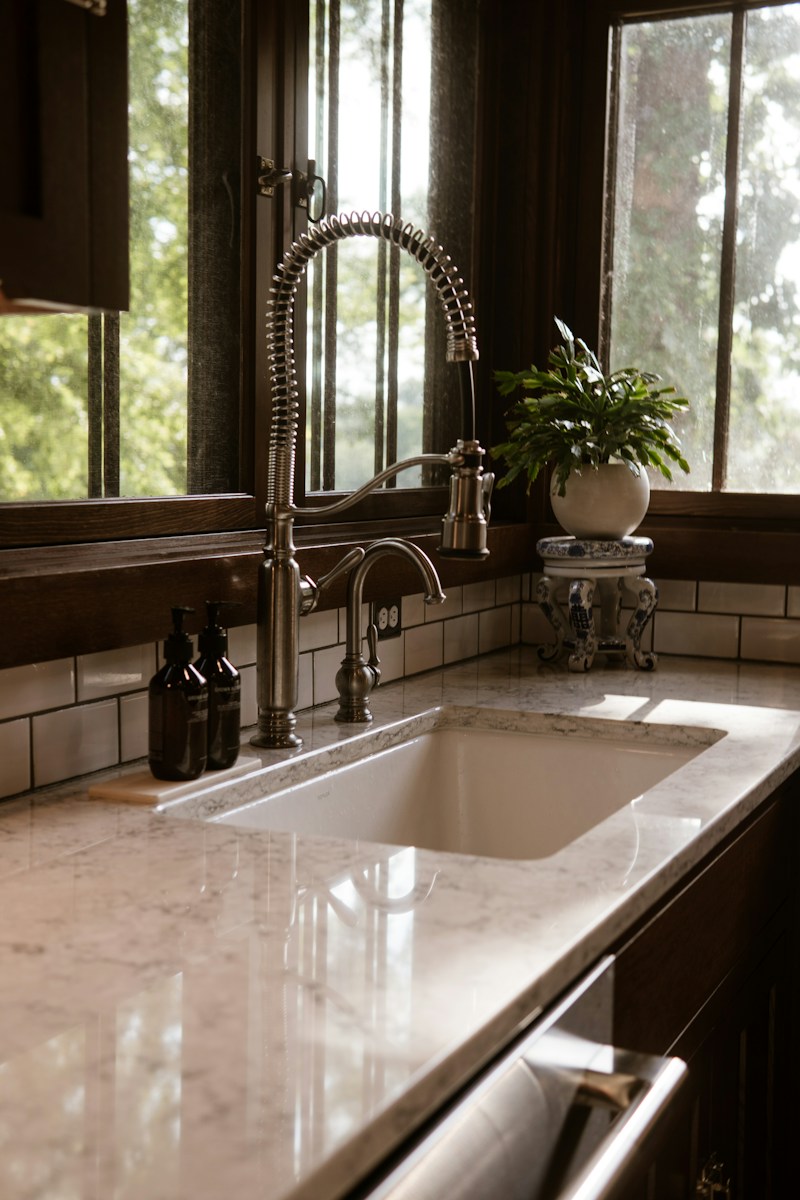
Design trends move faster than most people’s renovation budgets, which means a lot of homeowners are currently living with a choice that felt fresh and exciting a couple of years ago and now feels like it’s everywhere, on every listing photo, every renovation account, every new build in the neighborhood. That oversaturation is usually what kills a trend long before it actually stops looking good on its own merits — it’s less that the design failed and more that everyone’s simply seen it one too many times.
Based on conversations with homeowners, designers, and renovation forums, here are the trends that seem to have crossed the line from beloved to overexposed, and why people are ready to move on.
Sliding Barn Doors
Once a charming, rustic-industrial statement piece for closets and pantries, barn doors have become so ubiquitous in new builds and renovations that they’ve started to feel more like a default than a design choice. Add in the practical downsides, gaps that let sound and light through, and a lack of true privacy compared to a hinged door, and it’s easy to see why homeowners are increasingly opting for standard doors instead. What was once an eye-catching feature now reads to many as a slightly dated shorthand for a specific renovation era rather than a distinctive architectural detail.
All-White Kitchens
White kitchens dominated design media for years, prized for their clean, bright, resale-friendly look. But the sheer volume of identical white-cabinet, white-countertop kitchens across listings and renovation photos has led to a noticeable swing toward warmer tones, wood cabinetry, and color, as homeowners look for kitchens that feel more distinct and personal. The practical downsides of white surfaces showing every mark also haven’t helped the trend’s staying power, adding a maintenance complaint to the aesthetic fatigue that’s set in.
Fully Open Kitchen Shelving
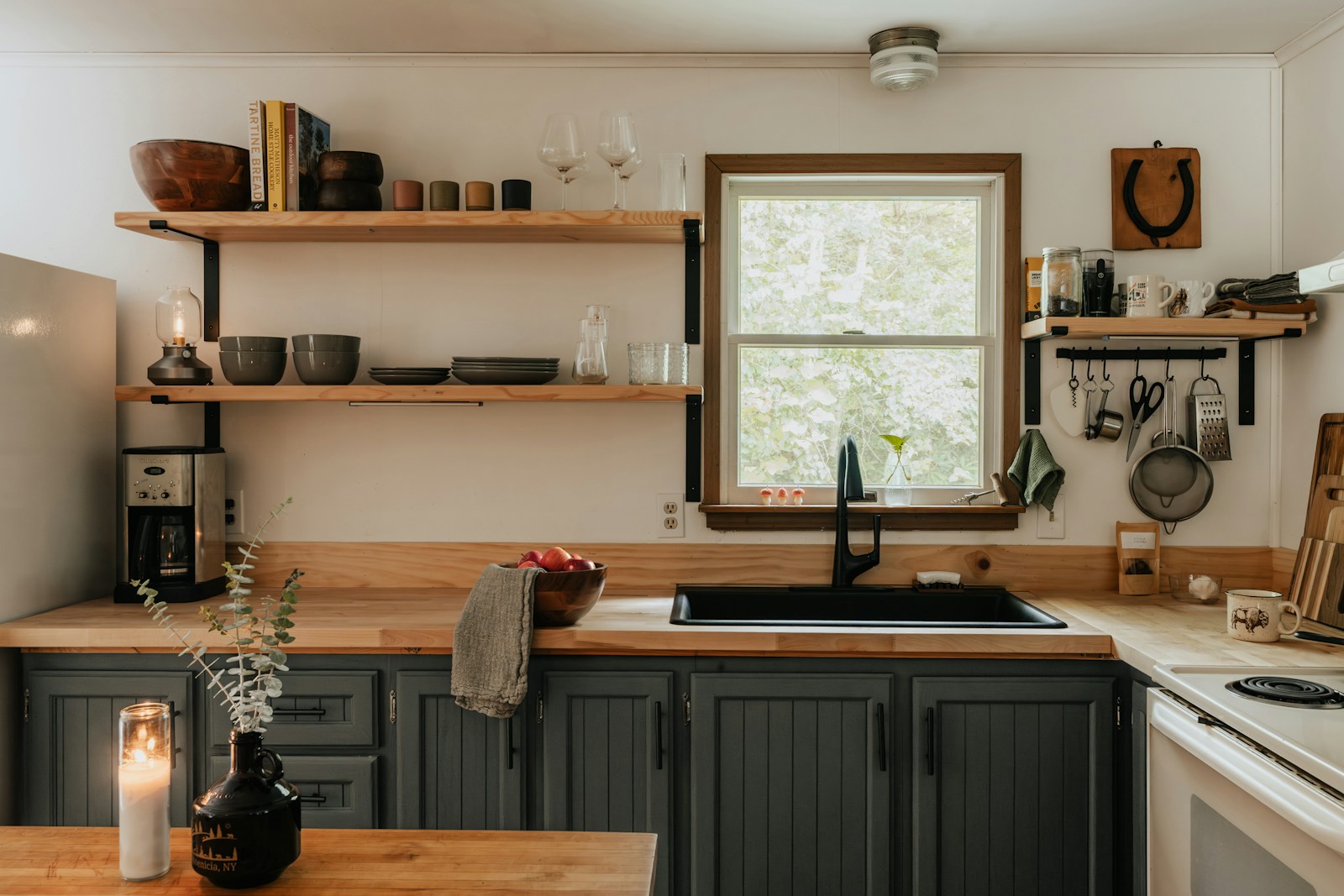
Open shelving looked effortless and curated in professionally styled photos, but most households found it required constant tidying and dusting to avoid looking cluttered in daily use. As the practical drawbacks became more widely known, and as the look became extremely common in renovation content, many homeowners have started reverting to closed cabinets or a more balanced mix of open and closed storage, treating open shelving as a trend that peaked and is now fading.
Boho Macrame and Fringe Everywhere
Woven wall hangings, fringe-trimmed pillows, and macrame plant holders defined a very specific, highly Instagrammed design aesthetic for several years. As that look became a shorthand for a particular era of home decor content, many people who once loved the style have started paring it back, feeling that a room covered in macrame and fringe now reads as trying too hard rather than effortlessly bohemian.
Matte Black Everything
Matte black faucets, hardware, and fixtures became the default modern upgrade for years, appearing in nearly every renovation and new build across a wide range of price points. As the look became the new standard rather than a distinguishing choice, and as its tendency to show water spots and fingerprints became more widely known, some homeowners have started mixing in warmer metals or returning to classic finishes like brushed nickel and unlacquered brass for a look that feels less tied to one specific trend cycle.
Statement Wallpaper Accent Walls
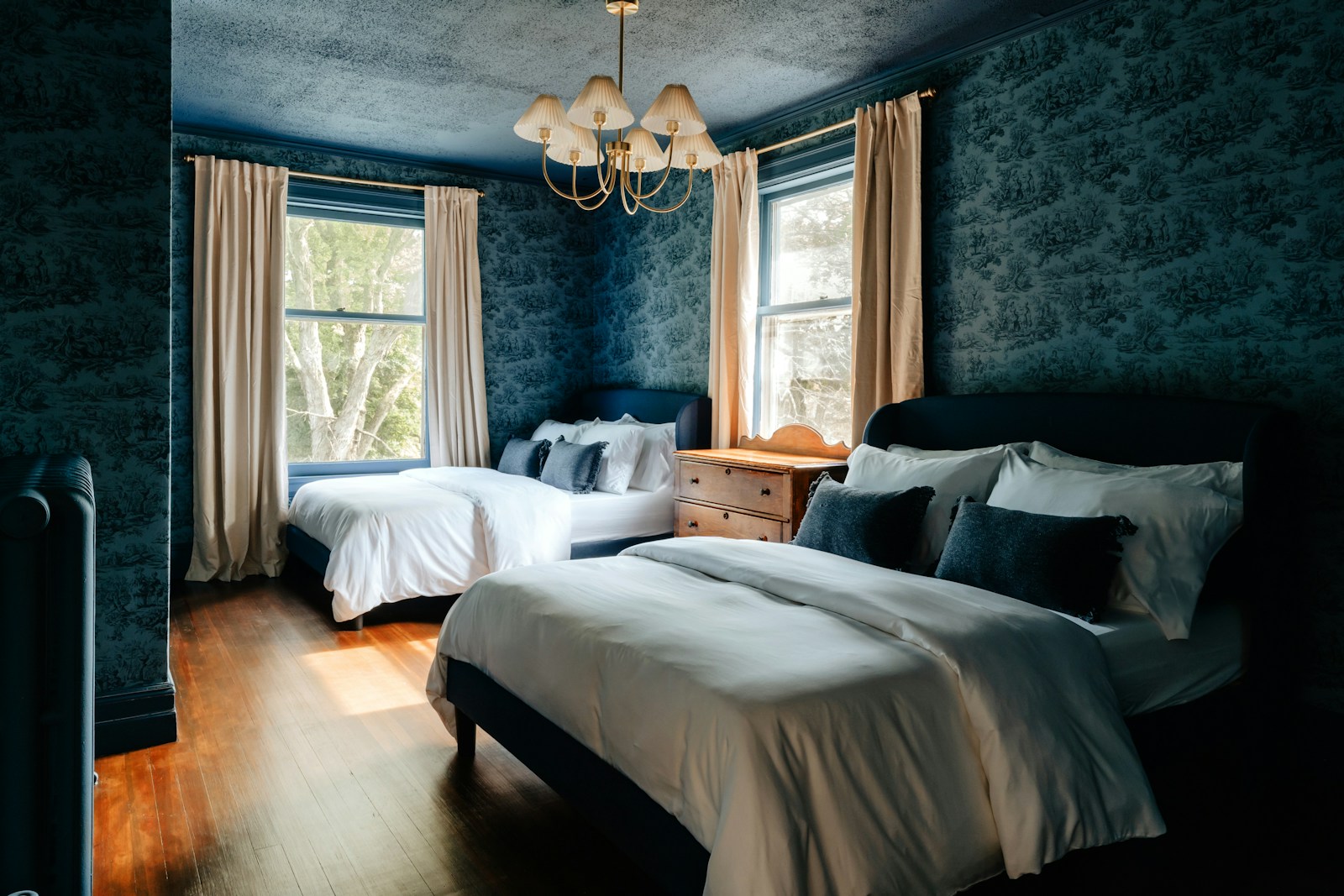
A single bold, patterned accent wall was, for a while, the go-to way to add personality to an otherwise neutral room. The trend became so common that many of the most popular patterns are now instantly recognizable as belonging to a specific design moment, and some homeowners who once loved the look now find it feels more like a trend they followed than a personal style choice, prompting a shift toward more subtle texture and color instead.
Fully Open Floor Plans
Open-concept layouts dominated home design for over a decade, but the format’s downsides, noise carrying throughout the house, no separation between cooking smells and living spaces, and a lack of private nooks, have become more widely discussed as remote work made people spend far more time at home. There’s a growing interest in floor plans with at least some defined rooms and flexible walls, a shift away from the fully open layout that once felt like the only modern option.
Herringbone Tile in Every Room
Herringbone patterns brought visual interest to floors and backsplashes for a while, but the pattern has become so widespread across renovation photos and new construction that it’s started to feel like a default choice rather than a distinctive one. Some homeowners are shifting toward simpler, more classic tile layouts, finding that a straightforward pattern actually stands out more now, given how common herringbone has become.
A Farmhouse Sink in Every Kitchen
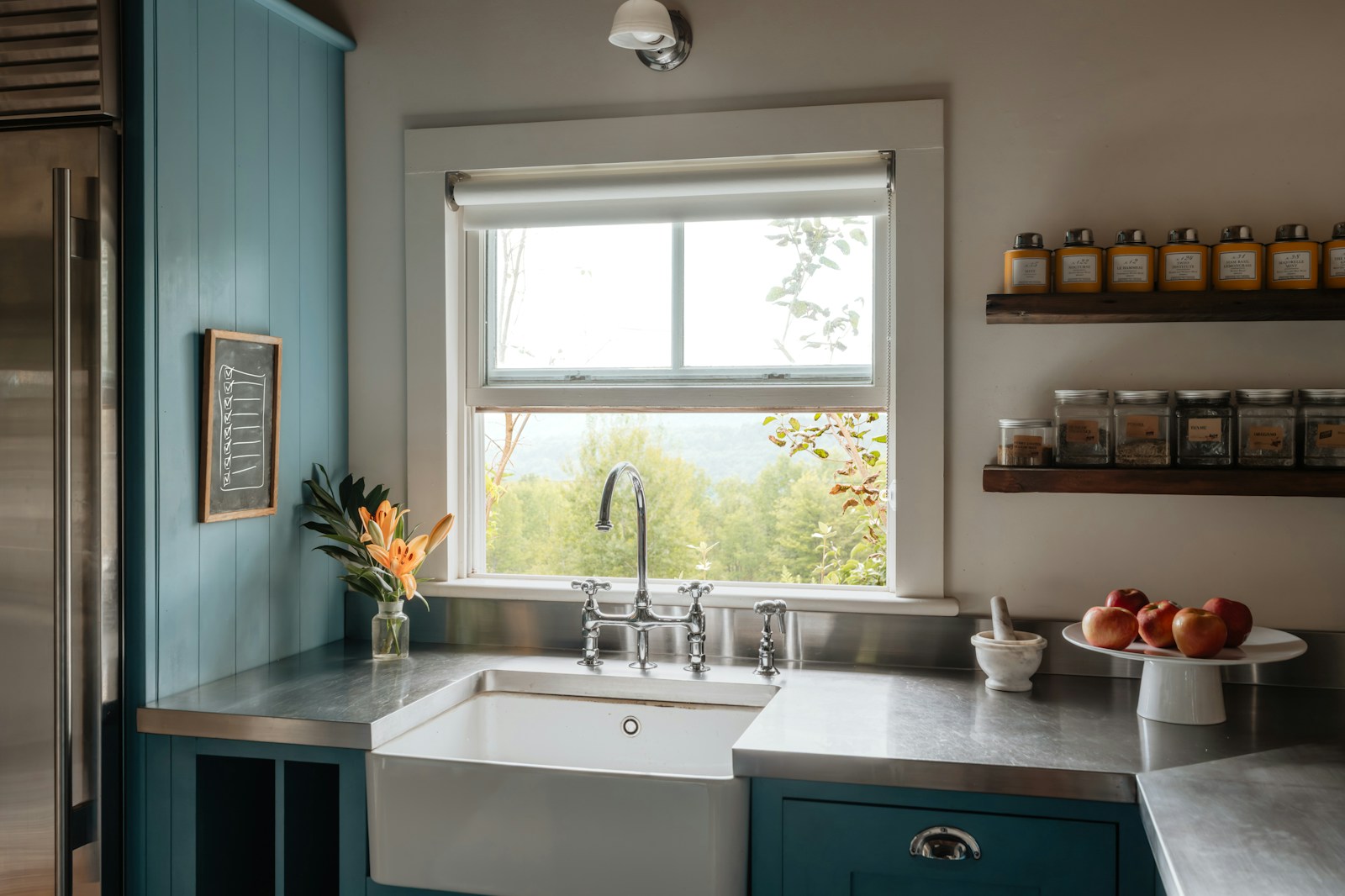
The oversized apron-front farmhouse sink became closely associated with a broader farmhouse design movement that swept through home renovations for years. As that broader aesthetic has cooled and farmhouse sinks appeared in an enormous share of kitchen remodels regardless of the home’s actual style, some homeowners have started opting for more traditional undermount sinks that don’t tie the kitchen so strongly to one specific design movement.
Maximalist Grandmillennial Clutter
A deliberately layered, vintage-inspired look with scalloped edges, chintz patterns, and curated collections of objects had a strong moment as a reaction against minimalism. As more homeowners have leaned into it, some are now finding that the sheer density of pattern and objects required to pull off the look convincingly is more maintenance and visual noise than they actually want to live with day to day, prompting a pullback toward a more edited version of the aesthetic.
High-Tech Smart Mirrors and Bathroom Gadgets
Bathroom mirrors with built-in lighting, displays, and connected features were marketed as the next frontier of home technology, but many owners have found the actual daily value doesn’t match the cost or the added points of potential failure. As with other smart home gadgets, features can become outdated or lose support faster than the physical mirror itself wears out, leading some homeowners to favor simpler, well-made fixtures over increasingly gadget-laden ones.
Extremely Oversized Kitchen Islands
Bigger islands became a status symbol in kitchen design for years, with some homeowners pushing island size well beyond what their kitchen’s actual footprint comfortably allows. As more people have lived with an island that crowds walkways and blocks appliance access, there’s a growing awareness that a well-proportioned island, sized appropriately for the room, functions better day to day than the largest island a kitchen can physically fit, a more measured approach that’s gaining traction as the supersized-island trend starts to feel excessive.
Leave a Reply