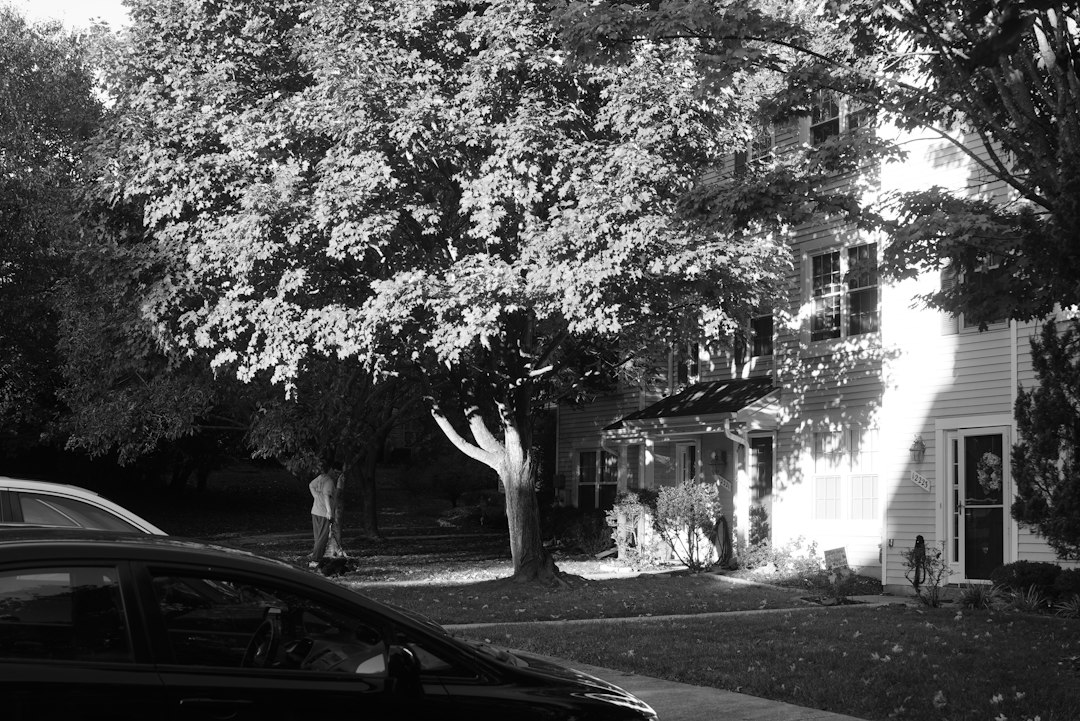
A massive oak shading the front yard or a towering maple framing the porch can make a house feel instantly special. It’s one of the hardest things to fake and one of the easiest things to fall in love with on a first showing.
But a big tree is also a big, living piece of infrastructure sitting close to your future home, and it comes with real questions worth answering before you write an offer. Here are twelve things worth checking first.
How Close the Roots Are to the Foundation
Root systems typically extend two to three times wider than a tree’s canopy, and large species planted too close to a house can put pressure on foundations over decades, especially in clay-heavy or shifting soils. As a general guideline, arborists often recommend keeping large shade trees a good distance from a foundation, with even more clearance for species known for aggressive root systems, according to foundation industry guidance. If the tree in question is already close, ask whether the home has had any foundation inspections and consider having a structural professional take a look before closing.
Whether Roots Are Near the Sewer Line
Thirsty tree roots are drawn to the moisture and nutrients inside sewer lines and can infiltrate small cracks or joints over time, eventually causing blockages or breaks. This is especially common with older clay pipe, which is more porous than modern PVC. A camera inspection of the sewer line during your inspection period can reveal existing root intrusion before it becomes an expensive emergency. If the tree sits near or over the lateral line, factor a camera scope into your inspection request.
Whether the Species Is Prone to Weak Limbs
Not all trees age the same way. Species like Bradford pear, silver maple, and some poplars are known for weak branch unions that can fail in storms, sometimes dropping large limbs with little warning even on otherwise healthy-looking trees. Ask a certified arborist to identify the species and assess its structural condition rather than just its size. A beautiful, mature tree of a brittle species may need more monitoring and pruning than a smaller, sturdier one.
Clearance From Overhead Power Lines
A tree growing into or near overhead utility lines is a recurring maintenance headache and a safety concern, and utility companies will often prune it aggressively or ask the homeowner to, sometimes leaving an oddly lopsided canopy. Look up before you fall in love with the shade a tree provides, since a tree that eventually has to be cut back hard for line clearance won’t keep the same silhouette you saw during your showing.
How Much Leaf, Seed, or Fruit Litter to Expect
Some trees drop a light dusting of leaves each fall; others bury a yard in pods, nuts, or fruit for weeks at a time and require extra cleanup, gutter guards, or lawn care to keep grass from getting smothered underneath. Ask the current owner what actually falls from the tree and when, since sweetgum balls, walnuts, and certain seed pods create meaningfully more work than a typical shade tree.
How Much Shade It Casts on the Lawn and Garden
A large canopy that looks lush in summer photos can leave the lawn beneath it thin, mossy, or bare year-round, since most turf grasses need more sun than a mature tree allows through. If you’re hoping for a lawn or a vegetable garden in that spot, ask about sun exposure at different times of day and season, not just what the yard looks like in the listing photos taken in ideal light.
Whether Local Ordinances Restrict Removal
Many municipalities have tree protection ordinances that require a permit, an arborist report, or even a public hearing before a large or heritage tree can be removed, even from private property. If you’re buying the house expecting to eventually take the tree down, check local rules first, since some ordinances impose real fines or require expensive mitigation plantings elsewhere on the property.
Root Heave Under Driveways and Walkways
Surface roots from large trees can lift and crack pavement, patios, and walkways over time, particularly species with shallow, wide-spreading root systems. Cracked or uneven concrete near the base of a large tree is a sign this has already started, and the fix usually means removing and repouring the affected section, sometimes repeatedly, unless the roots are addressed as well.
The Tree’s Overall Health
A tree that looks fine from the street can still have internal decay, fungal issues, or root damage that only a trained eye or a resistograph test can detect. Hiring a certified arborist for a short consultation during your inspection period is inexpensive compared to discovering a hazard tree needs removal a year after you move in.
The Realistic Cost of Removal, If It Ever Comes to That
Removing a large, mature tree, especially one close to a house, power lines, or a fence, is a specialized and often expensive job requiring cranes or careful rigging rather than a simple takedown. Get a rough sense of local removal costs for a tree that size before you buy, so it isn’t a shock if the tree later becomes diseased, storm-damaged, or simply too risky to keep.
Insurance Considerations
Some insurers ask about large trees near a home during underwriting, particularly ones that are dead, diseased, or leaning, and may require proof of maintenance or removal of hazard trees before issuing or renewing a policy. It’s worth mentioning any large trees to your insurance agent during the buying process so there are no surprises when the policy is finalized.
Whether the Tree Actually Sits on the Property Line
A tree that straddles or sits right on a boundary line can become a shared responsibility, and disagreements over pruning, removal, or damage from a boundary tree are a common source of neighbor disputes. A survey can confirm exactly where the trunk sits relative to the line, which matters more than it might seem the day you’re admiring the tree from the yard.
Leave a Reply