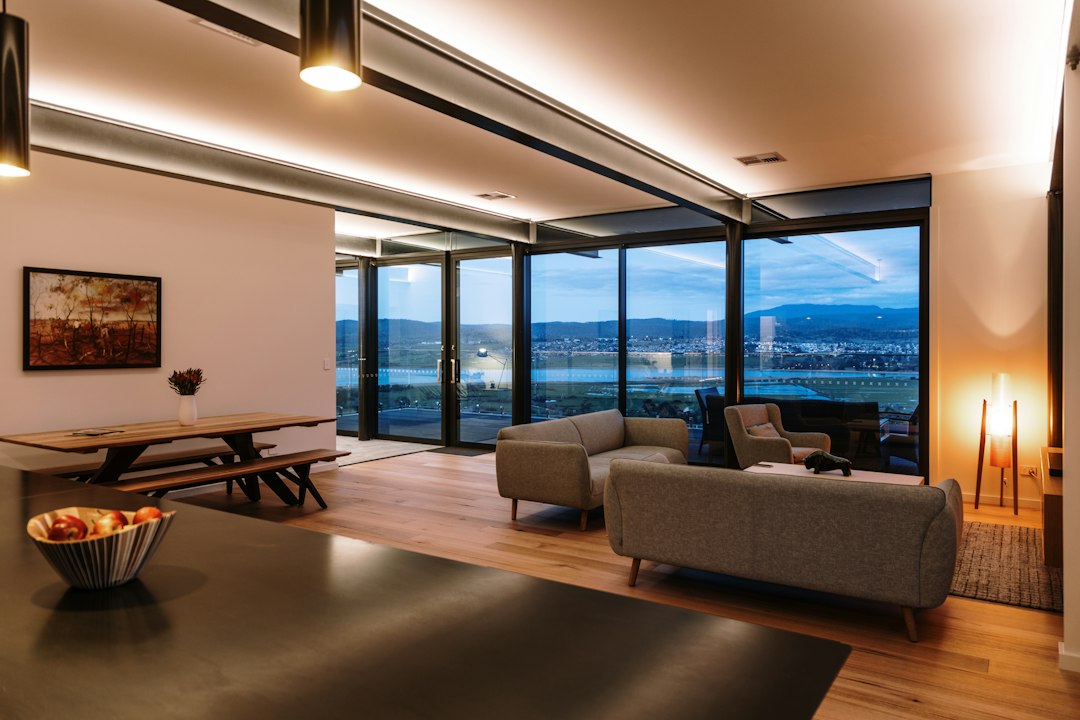
Lighting is one of the most underestimated design elements in a home, and it’s often the difference between a room that feels warm and inviting and one that feels sterile or uncomfortable, even when the furniture and finishes are objectively beautiful. Most of the time, the problem isn’t the fixtures themselves but the color temperature, placement, or layering choices behind them.
Here are eight of the most common lighting mistakes that can undercut an otherwise gorgeous room.
Cool-Toned Bulbs in a Warm Space
Light bulbs come in a range of color temperatures measured in kelvins, and bulbs in the 4000K to 5000K range cast a cooler, bluer light that’s better suited to task-oriented spaces like garages or offices. Installing these cooler bulbs in a living room or bedroom designed around warm wood tones and soft textiles can make the whole space feel clinical and uninviting, clashing with the intended mood. Warmer bulbs in the 2700K to 3000K range tend to flatter skin tones and complement most residential interiors far better. Mismatched color temperatures across different fixtures in the same room is an equally common mistake, creating a visually jarring effect even if each individual bulb seems fine on its own.
Relying on a Single Overhead Fixture
A single ceiling-mounted light as the sole source of illumination creates flat, uniform lighting that casts unflattering shadows and leaves corners of the room dim while the center feels overly bright. This kind of lighting, sometimes called a single point source, tends to flatten depth and texture in a room, making even well-designed spaces look one-dimensional. Layering in table lamps, floor lamps, and wall sconces at varying heights creates a more dynamic and flattering effect, since light coming from multiple directions softens shadows and highlights architectural details rather than washing them out.
Recessed Lighting Placed Too Far Apart
Recessed lighting is popular for its clean, unobtrusive look, but when cans are spaced too far apart or positioned without a clear plan, the result is uneven pools of light separated by darker gaps. This scalloping effect is particularly noticeable on walls, where recessed lights placed too close to the wall create a harsh wash of light rather than even illumination. Getting recessed lighting right typically requires planning fixture placement in relation to furniture layout and wall art, something that’s often skipped when lights are installed based on a generic grid pattern rather than the room’s actual use.
Skipping Dimmers Entirely
Fixed, full-brightness lighting with no ability to adjust intensity forces a room into a single mood regardless of the time of day or activity happening in it. A living room that needs to feel bright and functional during a morning cleaning session should be able to shift to something softer and more relaxed in the evening, and without dimmer switches, that flexibility simply doesn’t exist. Harsh, unadjustable overhead lighting in the evening is one of the most common reasons a room that looks great in daytime photos feels uncomfortable to actually relax in at night.
Uncovered or Exposed Bulbs in Living Spaces
Bare bulbs, even attractive Edison-style ones, produce direct, high-contrast light that can be genuinely hard on the eyes in a space meant for lounging or conversation. This look has become trendy in certain industrial-style designs, but without a diffuser, shade, or frosted glass to soften the light, exposed bulbs create glare and stark shadows rather than the ambient glow most living spaces are going for. Pairing statement bulbs with fixtures that provide even minimal diffusion preserves the aesthetic while avoiding the harshness of raw, direct light.
Mismatched Lighting Direction and Task Needs
Lighting placed without considering how a space is actually used, like a reading nook lit only by ambient overhead light rather than a focused task lamp, forces people to either strain their eyes or add harsh supplemental lighting that clashes with the room’s overall design. Kitchens are a particularly common offender, where general ceiling lighting alone leaves countertops in shadow from the cook’s own body blocking the light source. Under-cabinet lighting and targeted task fixtures solve this, but rooms designed purely for visual appeal often skip this functional layer entirely.
Overly Bright Bathroom Vanity Lighting
Vanity lighting is one area where more isn’t always better, and a bank of bright, unshaded bulbs positioned directly above or to the side of a mirror can create harsh downward or sideways shadows on the face, an effect most people don’t love seeing in their own reflection each morning. Lighting positioned at eye level on either side of the mirror, rather than solely above it, distributes light more evenly across the face and reduces unflattering shadows considerably. Many builder-grade bathrooms default to a single bright strip above the mirror precisely because it’s the cheapest option, not because it’s the most flattering one.
Ignoring Natural Light Changes Throughout the Day
A lighting plan designed only around how a room looks at midday, when natural light is at its most even and abundant, often falls apart in the early morning or evening when artificial lighting needs to compensate for a very different quality of light. Rooms with large west-facing windows, for instance, can feel harshly bright in late afternoon sun, while the same room can feel dim and require significant artificial light after sunset. Layered lighting with dimmable options and window treatments that can adjust throughout the day helps a room stay comfortable regardless of the hour, something a single static lighting plan can’t achieve on its own.
Leave a Reply