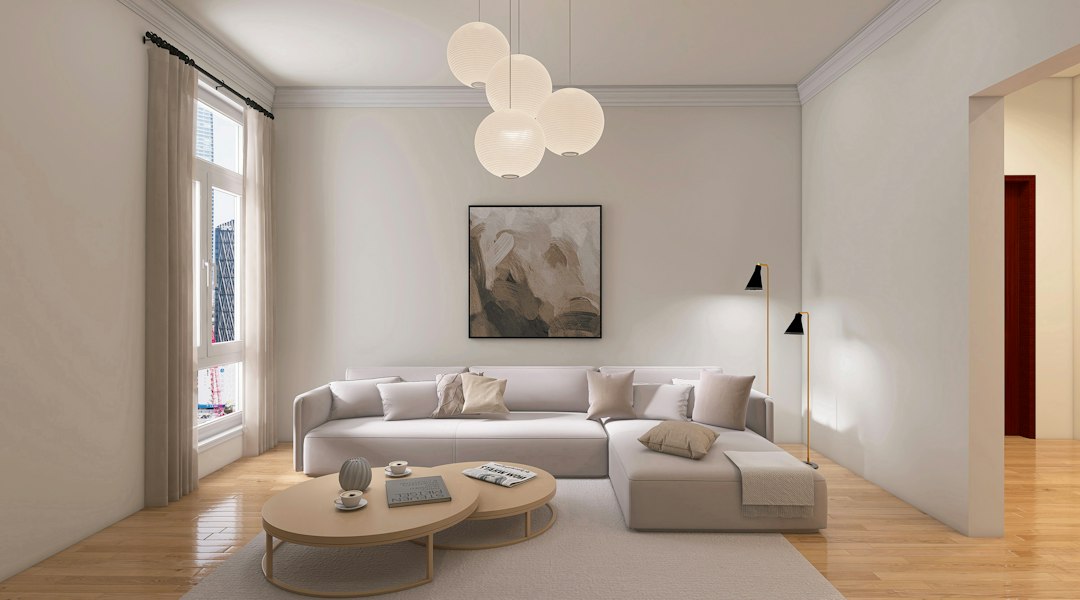
A brand-new remodel should feel like an upgrade in every sense, but plenty of homeowners finish a renovation only to find the space feels strangely uninviting, sterile, or emotionally flat despite the fresh paint and updated finishes. The issue is rarely the quality of the work itself. It’s usually a handful of overlooked details that quietly undercut the warmth a home needs to feel lived-in.
If your remodeled space feels more like a showroom than a home, these are the likely culprits.
An All-White or All-Gray Color Palette
Neutral, monochromatic color schemes are a safe and popular choice in modern remodels, but taken to an extreme, an entirely white or gray interior with no warm accent tones can start to feel clinical rather than calming. Cool grays in particular, especially those with blue undertones, can make a space feel chilly regardless of how much natural light it gets. Introducing warm neutrals, natural wood tones, or even a few deeper accent colors in textiles and art breaks up the starkness and gives the eye something to connect with emotionally, rather than a flat expanse of a single cool tone.
Hard Surfaces with No Soft Textures
Popular remodel choices like polished concrete floors, large-format tile, and quartz countertops are durable and visually striking, but a room dominated entirely by hard, reflective surfaces with no soft textures to balance them can feel cold both acoustically and visually. Hard surfaces bounce sound around a room, contributing to that sterile, echoey feeling, and they also reflect light in a way that reads as sharp rather than soft. Layering in area rugs, upholstered furniture, woven baskets, and textured throw pillows softens both the sound and the visual temperature of a remodeled space considerably.
Removing All Personal and Sentimental Items
It’s common during a remodel to pack away everything and, once the work is done, hesitate to put personal photos, heirlooms, and collected objects back on display because they don’t match the new, more polished aesthetic. But a home entirely free of personal artifacts, family photos, or objects with history tends to feel like a hotel room or a staged listing rather than somewhere people actually live. Reintroducing a curated selection of meaningful items, even in a more refined way than before the remodel, restores a sense of identity and warmth that generic decor alone can’t replicate.
Overly Bright, Cool-Toned Lighting
Many remodels swap out older, warmer incandescent fixtures for energy-efficient LED lighting, but if the replacement bulbs are chosen in a cooler color temperature, the shift can dramatically change how the entire home feels, even if nothing else changed. Bright, cool-white lighting throughout a home can make even beautifully finished spaces feel like a retail environment rather than a residence. Choosing warmer bulbs and incorporating dimmers throughout a remodeled space allows the lighting to shift and soften depending on the time of day and the mood you’re going for.
A Layout That Prioritizes Flow Over Gathering Spots
Remodels focused heavily on open sightlines and efficient traffic flow sometimes remove the smaller, cozier nooks that gave a home character, like a window seat, a reading corner, or a slightly enclosed breakfast area. Without these intimate pockets of space, a home can feel like it’s designed purely for moving through rather than settling into. Reintroducing even one or two smaller, defined gathering spots within an otherwise open layout gives a remodeled home places that feel intentional and comfortable rather than just efficient.
Skipping Plants and Organic Elements
New construction and fresh remodels often photograph best when completely empty and pristine, which can lead homeowners to under-furnish and under-accessorize a space long after the work is finished, particularly when it comes to greenery. Living plants, natural wood accents, and other organic materials introduce visual softness and a sense of life that purely manufactured surfaces can’t provide on their own. A remodeled kitchen or living room with beautiful new finishes but no plants, natural textures, or greenery often reads as unfinished rather than intentionally minimal, even months after the renovation wraps up.
Leave a Reply