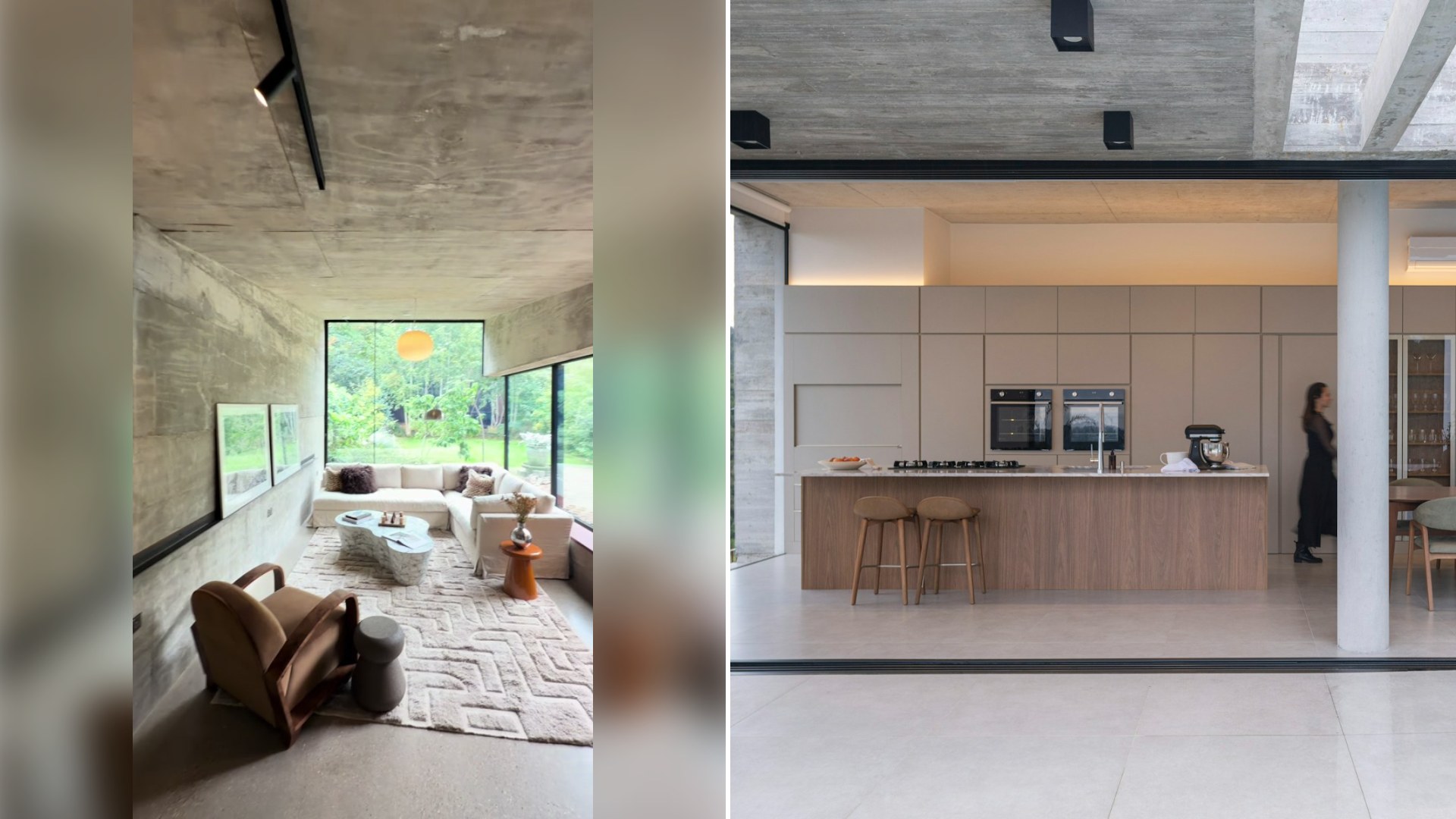
Some rooms don’t need narration. That’s the quiet thesis behind a recent clip from architect and creator @will_leggatt (TikTok), who posted a fifteen-second walkthrough of a strikingly designed modern interior with nothing but four words attached: “I’d be happy here.” No voiceover, no breakdown of materials, no price tag teased at the end. Just a slow pan through a space so confidently composed that the caption reads less like marketing copy and more like an honest, almost surprised admission.
There’s a reason this restrained approach works so well on an architect’s account specifically. Professionals who design spaces for a living tend to be the pickiest critics of spaces, which means when one of them volunteers unscripted contentment on camera, it carries a different kind of weight than a staged real estate tour ever could. The caption isn’t selling the room. It’s reacting to it, the same way any of us might react walking into a space that simply gets everything right.
Part of what makes a fifteen-second clip like this so satisfying is the editing restraint itself. In an online landscape saturated with dramatic reveals, countdown timers, and “wait for it” suspense building, a video that simply shows the room and lets it speak stands out precisely because it refuses to perform. The architecture does the work the editing usually has to do, and that’s a meaningful distinction for anyone who actually cares about design rather than content mechanics.
It also says something about where interior design conversations are heading online. A decade ago, a walkthrough like this might have needed captions pointing out the cantilevered shelving or the material palette to hold attention. Audiences today are visually literate enough, saturated with enough home content, that a well-composed room reads as compelling on its own merits. The clip trusts its viewer, and that trust is repaid with the kind of comment section full of people asking for the address, the architect, the floor plan.
There’s also something worth noting about the emotional register of “I’d be happy here.” It isn’t aspirational in the usual real-estate-content sense of envy or longing for something unattainable. It’s calmer than that, almost domestic. Happiness, in this framing, isn’t about square footage or luxury finishes, it’s about a feeling a room can produce the moment you stand inside it. That’s a much more universal hook than price or prestige, and it’s probably why the clip resonates with people who have no architectural background at all.
This kind of content also quietly reinforces a broader cultural shift toward valuing atmosphere over square footage. Where home content once leaned heavily on size, flashy amenities, and the number of bedrooms, there’s a growing appetite for spaces that simply feel right, whether that’s achieved through light, proportion, material warmth, or the careful negotiation of open and enclosed areas. A good architect understands that feeling is engineered just as deliberately as structural load, even if it looks effortless in a short clip.
For readers thinking about their own homes, there’s a practical takeaway buried in this aesthetic minimalism: a space doesn’t need ornamentation to feel complete. Clean lines, thoughtful material choices, and generous natural light can do more emotional work than a room packed with statement pieces. The architect’s walkthrough is, in a sense, a masterclass in editing a space down to what actually matters, the same instinct that made the video itself so effective.
It’s also worth considering why architects have become such compelling voices in the home content space generally. Unlike influencers who style a room for a single photo, architects think in terms of how a space will be lived in over years, how light will move through it across seasons, how materials will age. That long-view perspective gives even a short clip an implicit credibility, a sense that what’s being shown isn’t a trend but a considered, durable choice.
Ultimately, the appeal of this clip is its honesty. It isn’t trying to convince anyone of anything, it’s simply documenting a genuine reaction to a well-made space, and letting that reaction become the whole story. In a content ecosystem built on hooks and cliffhangers, there’s something almost radical about four words and fifteen seconds of a room doing exactly what good design is supposed to do: making someone want to stay in it.
Leave a Reply