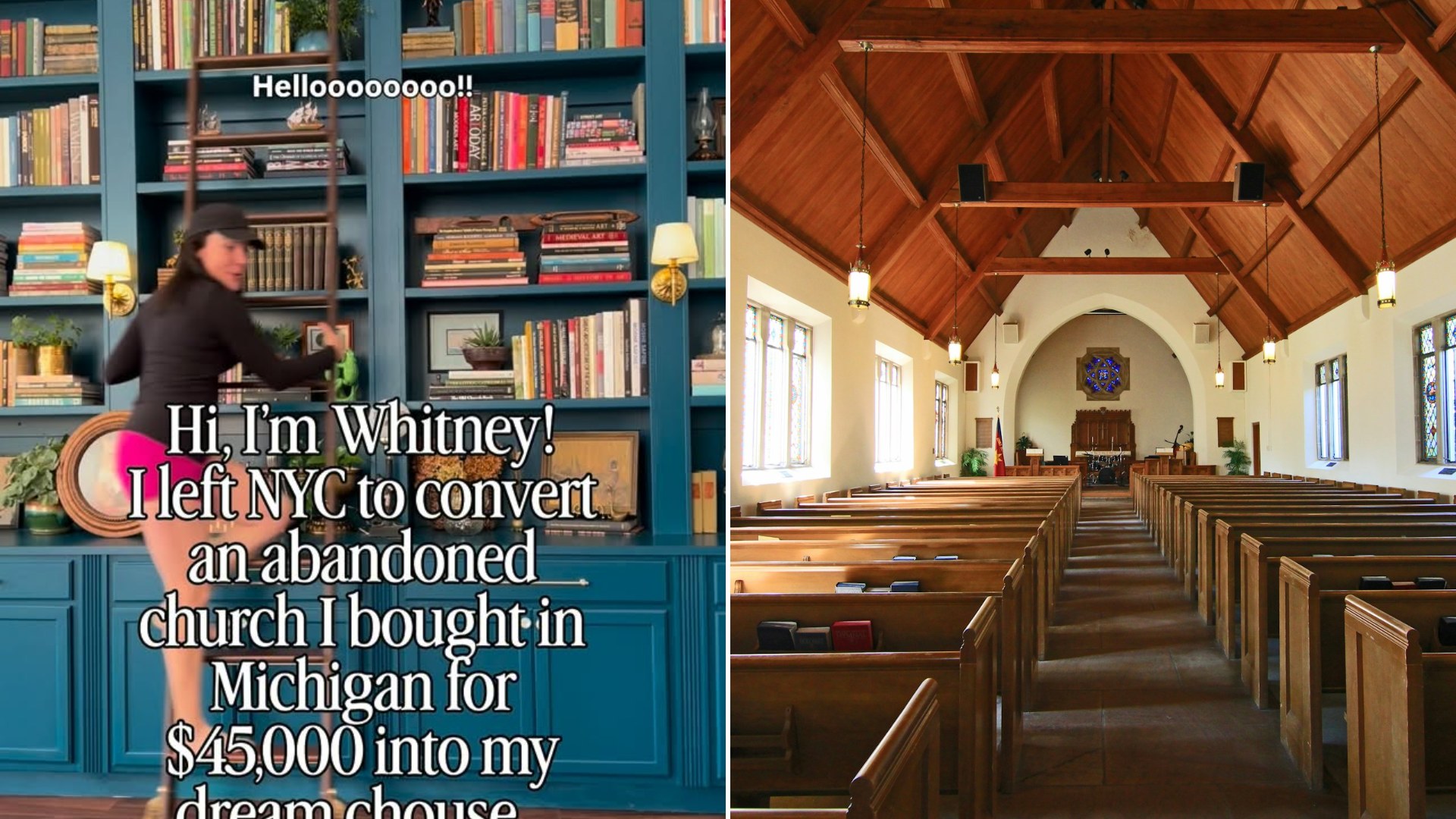
Inheriting a house is rarely just about the property itself, it’s about everything left inside it, and @houseofvitrail (Instagram) captures that reality vividly, walking through the house they inherited and uncovering decades of belongings and genuine surprises left behind by the previous owner, turning a simple walkthrough into an unfolding discovery.
There’s a reason inherited-house content resonates so consistently across audiences who’ve never personally experienced it. Every object left behind in a home represents a small, unresolved piece of someone else’s life, and discovering those objects after that person is gone creates a uniquely intimate form of storytelling, one built entirely around artifacts rather than words.
Decades of accumulated belongings inside a single home function almost like sediment layers, each era of a person’s life represented by what they kept, what they stored away, and what they simply never got around to dealing with. Walking through that accumulation as a new heir means encountering a kind of unintentional time capsule, assembled without any plan for who might eventually find it or when.
This kind of content also reflects a genuinely significant and often underdiscussed practical challenge facing heirs broadly: the sheer logistical weight of processing a lifetime of someone else’s possessions. Sorting through decades of belongings requires countless small decisions, what to keep, what to donate, what to discard, each one carrying emotional weight disproportionate to the object’s actual monetary value.
There’s also something worth noting about how differently inherited homes get approached compared to a typical fixer-upper purchase. A renovation project bought on the open market involves clearing out a stranger’s leftover clutter, something that can be done briskly and without sentiment. An inherited home demands a slower, more careful process, because every item potentially carries personal history that a new buyer from outside the family would never have to reckon with.
It’s worth considering, too, how this kind of discovery process often reveals things about a family member that weren’t fully known while they were alive. Old letters, photographs, collections, or carefully preserved items can surface entirely new information or context about a person’s interests, relationships, or history, turning a practical clean-out into an unexpected act of getting to know someone more fully, even after they’re gone.
This kind of content also offers real practical value for other heirs navigating a similar process. Watching someone else work through the sorting, the decision-making, the emotional weight of each discovery, can provide a kind of companionship and normalization for a task that can otherwise feel isolating and overwhelming when faced alone for the first time.
There’s also a broader cultural shift worth noting in how openly grief and inheritance get discussed online now compared to even a decade ago. Processing a loved one’s belongings used to happen almost entirely in private, but creators willing to document that process, including its genuinely difficult emotional moments, have helped normalize a conversation that used to carry considerably more stigma and isolation.
In the end, what makes this kind of discovery video resonate isn’t any single object found inside the house, it’s the larger truth it represents: that a home holds onto pieces of a life long after that life has ended, and uncovering them is as much an act of remembrance as it is a practical first step toward whatever the house becomes next.
Leave a Reply