The video opens with a quick flashback: two office badges, a cramped cubicle, and a caption marking 2019 as the year everything started to change. Creator @melefante6 and their partner walk viewers through the moment they closed on their very first rental property, a purchase that felt modest at the time and turned out to be the first domino in a much bigger shift.
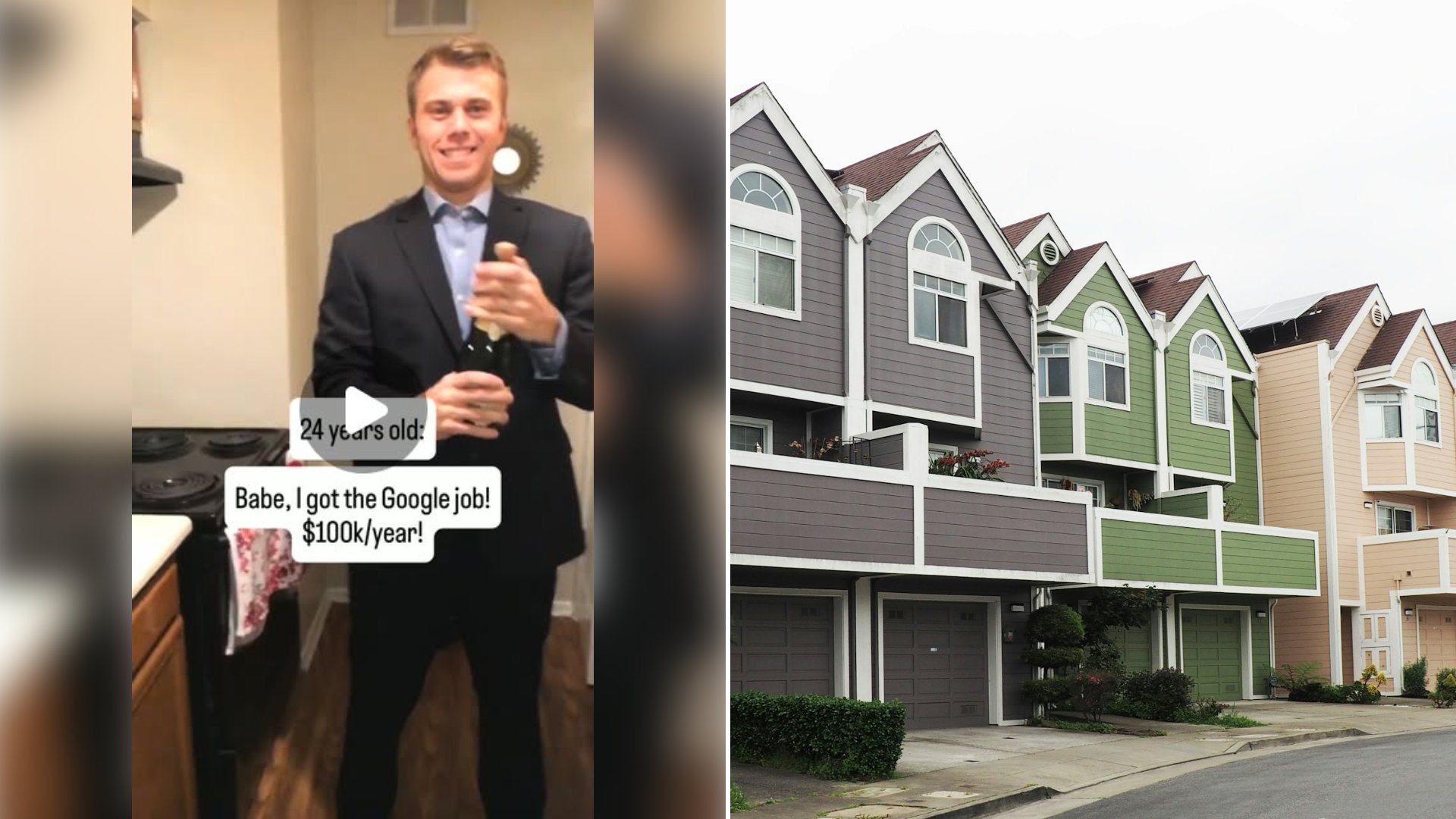
From there, the story moves quickly: a second property, then a third, the cash flow slowly replacing their paychecks one tenant at a time until both of them were able to walk away from their corporate jobs for good. What started as a side project turned into their actual careers.
Stories like this one make the leap from first rental to full time investor look smooth, but the startup capital involved is usually the part that gets glossed over the most.
Buying a first rental property almost always requires more cash upfront than buying a primary residence. Lenders typically require at least fifteen to twenty five percent down on a non owner occupied property, compared with the three to ten percent down payment options available to owner occupant buyers, because investment properties carry more risk from a lender’s perspective. On a modestly priced rental, that alone can mean tens of thousands of dollars in cash before a single tenant moves in.
Then there is everything beyond the down payment. New investors typically need reserves covering several months of mortgage payments, property taxes, and insurance, which most lenders require to prove the investor can weather a vacancy. Add closing costs, which generally run two to five percent of the purchase price, plus a reasonable repair and maintenance buffer for a rental, which experienced investors typically budget at one to two percent of the property’s value per year for upkeep alone. For a single rental, all of that combined often lands first time investors somewhere in the range of 40,000 to 80,000 dollars in total cash needed before the property generates a dollar of income.
Financing options have expanded since 2019, which helps explain why more people are attempting this path today. Some investors use a home equity loan or line of credit on their primary residence to fund the down payment on their first rental, while others partner with a co-investor to split the upfront cost in exchange for splitting the rental income. Both approaches lower the cash barrier to entry but add complexity, since a home equity loan puts the primary residence at risk and a partnership requires a clear legal agreement before money changes hands.
None of that diminishes what this couple built. It just explains why their first purchase, however ordinary it looked at the time, actually represented a meaningful financial commitment, and why the leap from one rental to a full time investing career took years of reinvested cash flow rather than a single lucky break.
More from Willow and Hearth
- Airbnb Host Films a Checkout With Trash on the Floor and Rumpled Bedding and Says You Never Know What Happens Behind Closed Doors After a Huge Fight During the Stay
- Land Buyer Compares Two 40 Acre Parcels Side by Side and Explains Why the One With a Dirt Road Leading Into It Is the One He Would Never Buy, Because It Is Landlocked
- National Association of Realtors Says the Typical First Time Buyer Is Now 40 Years Old and Puts Down 10 Percent, According to Its 2025 Profile of Home Buyers and Sellers
Leave a Reply