A backyard transformation is getting attention for turning a patch of dirt that clearly hadn’t seen any real use in a long time into a fully landscaped patio and zen garden retreat. The time-lapse from @ferafixes opens on a bare, unused yard with nothing but packed dirt and a fence line, then works through the entire build, grading, paving, planting, and finishing touches, with one person doing the visible work throughout.
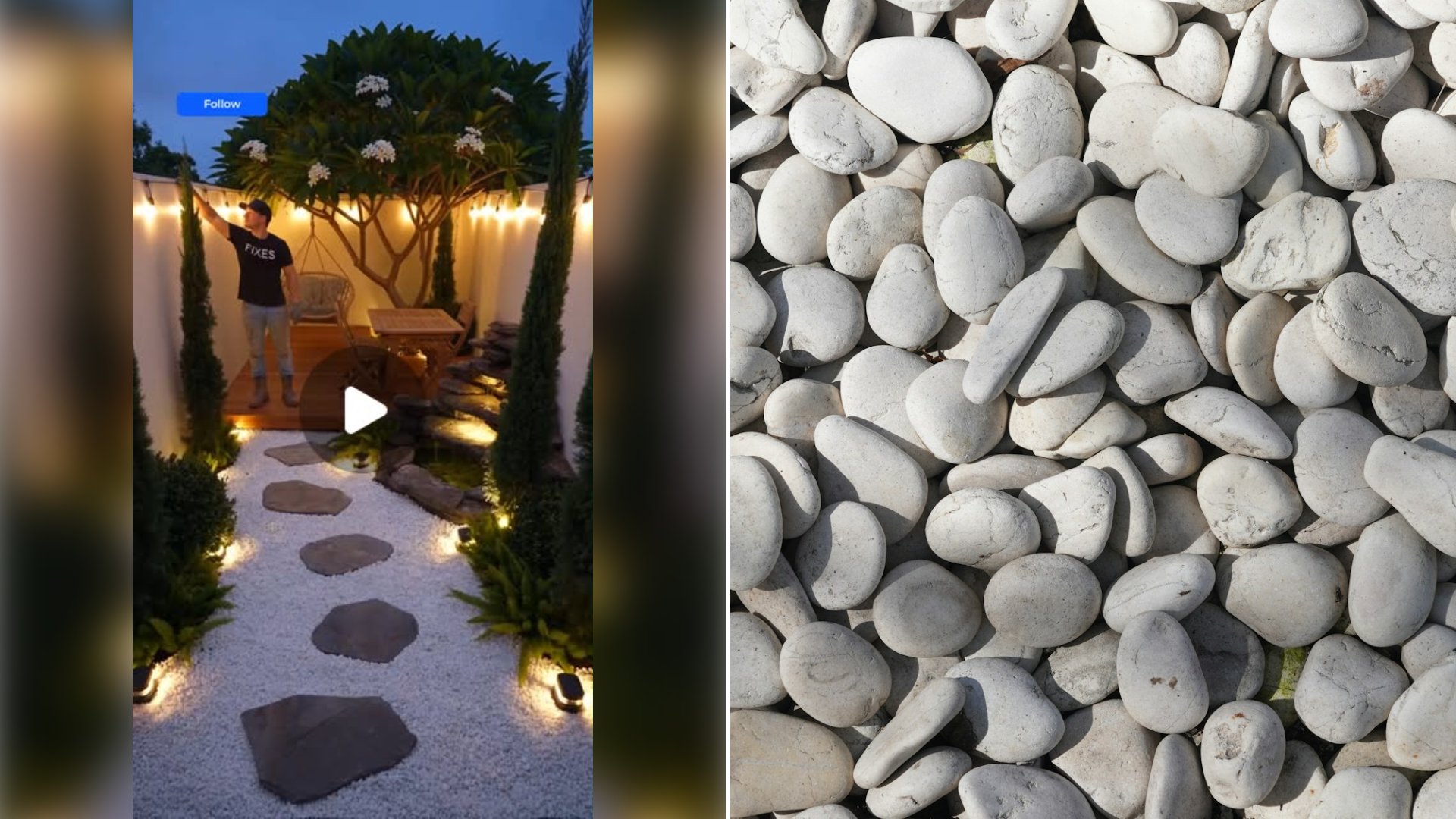
The finished space leans into classic zen garden design principles: clean hardscaped patio surfaces, deliberate plantings instead of a sprawling lawn, and a layout built around a sense of calm rather than maximizing usable square footage. For a yard that started as essentially dead space, the transformation reframes it as one of the most purposeful areas of the property.
DIY patio and garden builds like this one follow a fairly consistent sequence regardless of final style: clearing and grading the site so water drains away from the house properly, laying a compacted base material to keep pavers or stone from shifting over time, setting the hardscaping itself, and only then moving on to plant selection and placement. Skipping or rushing the base and grading work is one of the most common mistakes in DIY hardscaping projects, since a patio that looks finished on day one can heave, settle unevenly, or develop drainage problems within a year or two if the foundation underneath wasn’t properly prepared.
Cost is one of the biggest draws of tackling a project like this personally rather than hiring it out. Materials for a DIY patio, pavers or flagstone, base gravel, sand, and edging, typically run a fraction of what a professionally installed patio of the same size costs once labor is factored in, with homeowner cost guides commonly showing DIY patio installations landing somewhere in the range of a few dollars to around fifteen dollars per square foot in materials alone, compared to professionally installed hardscaping that can run two to three times higher once labor and markup are included. A zen garden build specifically also tends to lean on lower-cost elements like gravel, simple stone paths, and a smaller plant palette rather than expensive specimen trees or elaborate water features, keeping the total project budget well below many other backyard renovation styles.
The design philosophy itself has real roots worth noting. Traditional Japanese zen gardens were developed within Buddhist temple grounds specifically as spaces meant to support quiet reflection, using carefully placed rock, raked gravel, and minimal plantings to create a sense of stillness rather than visual abundance. Western backyard adaptations of the style tend to borrow that restraint, fewer plant varieties, more negative space, and clean geometric hardscaping, while trading some of the more formal elements, like raked gravel patterns, for a look that’s easier to maintain in a typical residential yard.
That lower-maintenance quality is part of why this style of yard holds up well as a long-term choice rather than just a trend. A zen-inspired layout built around hardscaping and a limited plant palette generally needs less ongoing watering, mowing, and seasonal upkeep than a traditional lawn-and-garden yard, which matters a lot for a homeowner who just spent considerable time and effort building the space from scratch and would understandably prefer not to repeat that labor on an ongoing basis.
Whatever amount of time the actual build took, the before-and-after contrast is what makes the video land: a yard that clearly offered nothing to its owner at the start ends the clip looking like a space designed specifically for sitting still in. That kind of transformation, turning genuinely wasted space into one of the most intentional parts of the house, is exactly the appeal that keeps DIY backyard builds like this one circulating so widely.
More from Willow and Hearth
- Creator Labels Video as AI Generated Showing a Man Who Took a Neighbor’s Joke Personally and Cleared Her Overgrown Side Yard, Planted Beds and Painted the Porch
- Homeowner Quoted $18k by a Contractor for a Dining Nook Answers No Thanks I Got It and Builds the Bench, Cushions, Table and Hanging Plants in Five Steps
- Land Buyer Compares Two 40 Acre Parcels Side by Side and Explains Why the One With a Dirt Road Leading Into It Is the One He Would Never Buy, Because It Is Landlocked
Leave a Reply