Few envelopes ruin an evening faster than one from a homeowners association. Georgia real estate broker @davidwbroker opened one that threatened fines of up to $50 a day over supposed weeds in his landscape beds, even though he says he cuts and clears his yard every two weeks. Rather than pay or panic, he read the letter aloud, then read the reply he had written.
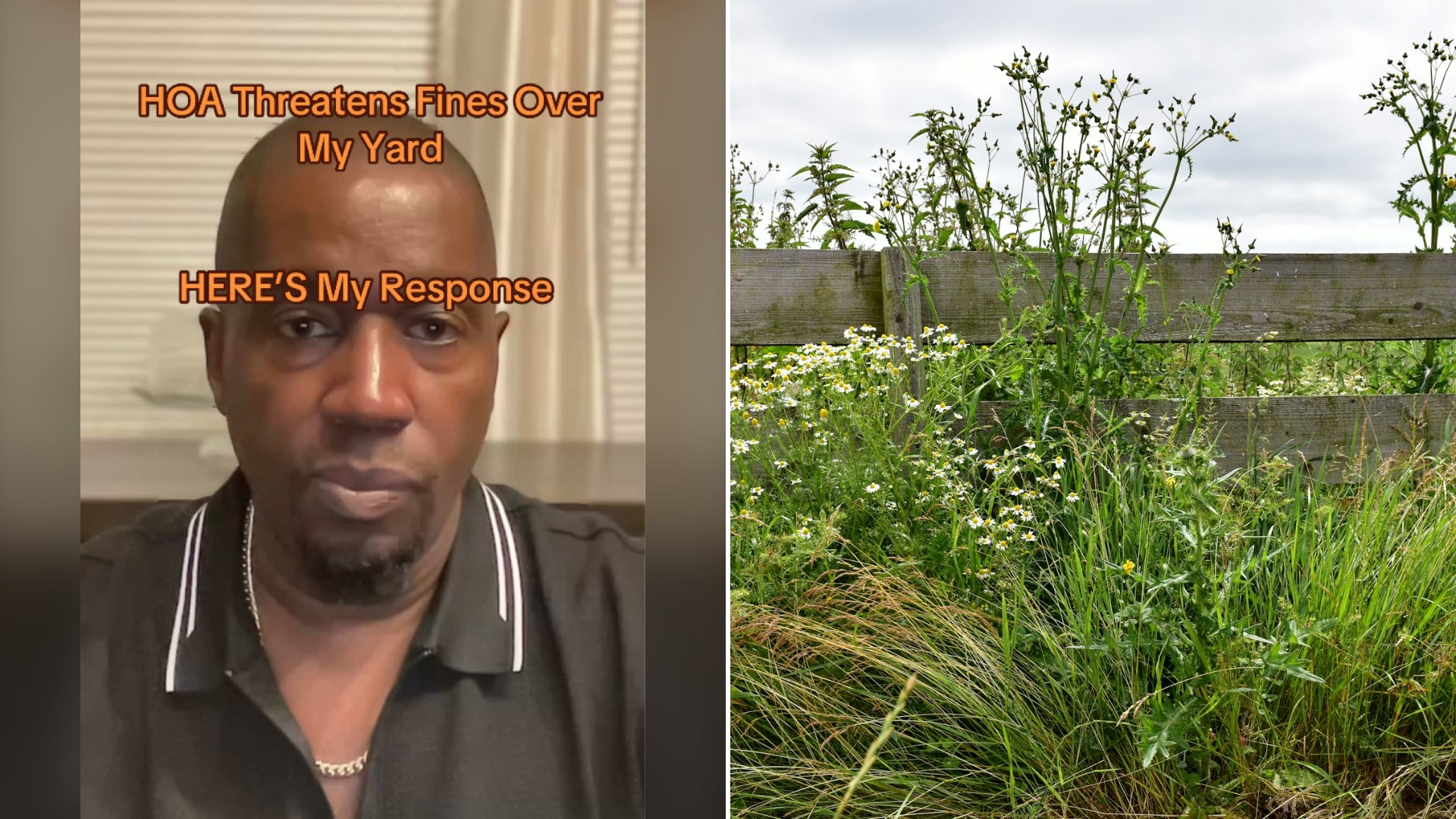
His reply is a useful model for anyone who has ever been handed an accusation and a deadline in the same sentence.
@davidwbroker
What the Letter Demanded
The notice said a violation of the neighborhood covenants was noted on October 12, 2026, and asked him to remove all grass and weeds from his landscaping bedding areas. It gave him 10 days from the date of the letter to fix the problem, and warned that a repeat within 12 months would count against him as well.
The penalties it listed were steep. After notice and an opportunity for a hearing, the board reserved the right to fine him up to $50 per day per requested action, applied weekly for continuing violations, or up to $250 per incident for violations that are not continuous. It also mentioned suspending use of common property such as the swimming pool and tennis courts. The letter added that fines would become his personal obligation and a lien on his lot under the declaration and the Georgia Property Owners Association Act, and that a $25 fee could be charged for each future letter sent by certified mail.
How He Answered
His response disputed the violation outright. He wrote that he cuts and removes weeds from his lawn and landscaping beds every two weeks, that he had inspected the property and found nothing that breaks the declaration, and that any touch-up he does this week is ordinary upkeep, not an admission of anything.
Then he asked for specifics so he could review the basis of the notice:
- Dated photographs of the exact condition cited, noting that a picture of the front of his house would not be acceptable.
- The specific section of the declaration he is alleged to have broken.
- The name and role of the person who inspected his home on October 12.
- Confirmation of his right to a hearing, which the association’s own letter says must come before any sanction.
He also told the board that he is a licensed Georgia broker familiar with the Property Owners Association Act the letter cited. By his own account, he has spent years on this issue, including litigating against associations over unwarranted fines and wrongful foreclosures, and he says he spoke before the Georgia State Senate on these practices and that his involvement helped shape new laws taking effect in 2027. He closed by asking that all further correspondence come to him in writing.
He emailed the reply to the woman who signed the letter and planned to hand deliver a copy to the association’s office the next morning. His reasoning was simple: he had just cut the grass the weekend before, so he did not see how anyone could complain.
Why Liens Make This Serious
The creator’s sharpest point was about stakes. He argued that because Georgia is a lien state, unpaid association fines can threaten a person’s home, which is why he refuses to let small accusations slide. In many states, associations can attach a lien for unpaid assessments and, depending on state law and the governing documents, pursue collection through the courts. That is general background, and the rules differ by state, so it is worth reading your own documents and local law.
His advice boiled down to this: do not ignore the letter, and do not simply pay it. Respond in writing and make the association show its proof.
Steps Any Homeowner Can Borrow
You do not need a legal background to follow the same pattern. A few habits make a calm reply stronger.
- Mark the deadline on a calendar the day the notice arrives, since the clock usually starts from the date printed on the letter.
- Read the covenants and find the exact standard and the enforcement process, including hearing rights.
- Keep dated photos of your yard after each round of upkeep, along with any lawn service receipts.
- Ask for the evidence behind the claim, including photos, the rule cited and who made the inspection.
- Send your reply in a form that leaves a record, and keep a copy of everything.
- Stay polite. A reply that would read well in front of the whole board is always stronger than one written in anger.
A Notice Is a Request, Not a Verdict
Many associations act in good faith, and plenty of notices are honest reminders. Still, a letter is only an accusation until it is backed by evidence and, where required, a hearing. Asking for proof is not rude. It is a reasonable step that keeps everyone to the written rules.
If a dispute grows beyond a simple exchange, a local attorney who handles community association matters can explain what applies where you live. This article is general information, not legal advice. The larger lesson from this homeowner is a sturdy one: answer in writing, ask for specifics, protect your hearing rights and keep your tone steady. Do that, and a threatening piece of mail becomes just another task you handled well.
Leave a Reply