Freedom means different things to different people. For @willedmond, it came from needing less. He comes from a family that has been homesteading since 1892, and he decided to leave the city and return to those roots rather than keep carrying a $500K house, car notes and what he called endless debt.
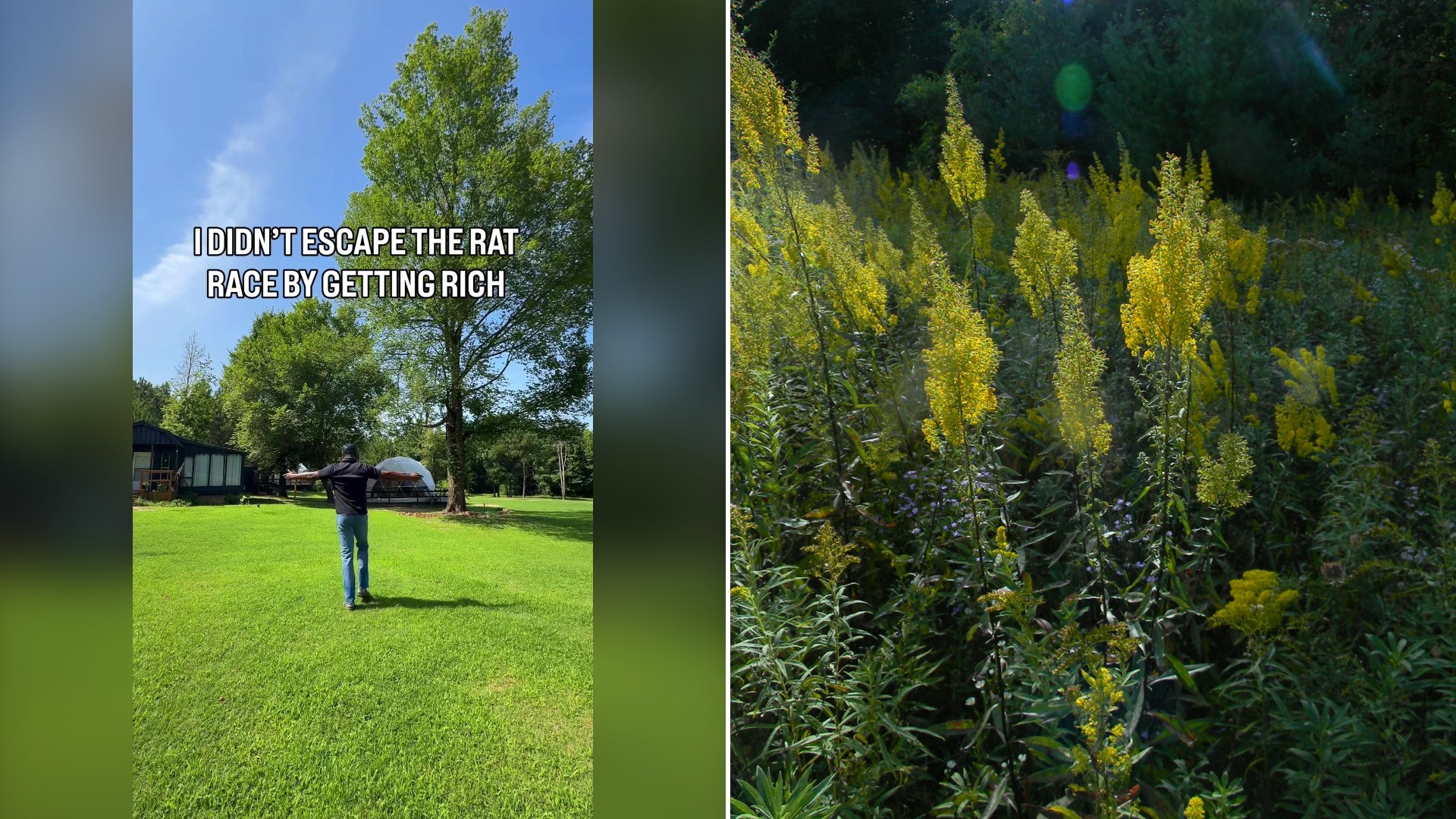
He shared six lessons from that change, including a surprise side income from a plant that grows all over his land. Here is his story in order, followed by general tips for anyone who wants to simplify their finances and make better use of their own property.
@willedmond
Leaving the City and the Debt Behind
He explained that he loved traveling, eating at amazing restaurants and experiencing life, but he could not do those things while carrying a $500K house, car notes and endless debt. He said he did not escape the rat race by getting rich. He escaped it by needing less, and he came back to land that his family never let go of.
Building His Own Home
His first lesson was that he stopped believing in building a bigger house just to downsize later in life. Four years ago, he said, he did not know how to build. What he had was what he called YouTube University, the right tools and help from friends and family. He built his own house, so he has no mortgage. In his view, homesteading is not about an expensive dream home. It is about getting out of the rat race and creating a life that feels less chaotic and more peaceful.
Used Cars and Cash
His second lesson was about vehicles. He has had car notes before, but he would rather buy used cars with cash than pay a bank interest every month. He said cars lose value too fast and he is not trying to impress anybody.
Food, Water and Firewood
He described himself as a survivalist and a die hard outdoorsman who grows and catches a lot of his own food. That saves money and lets him know exactly what is going into his body, and he says food tastes so much different when you grow it yourself. Water is a priority too. He has two wells and a creek that never runs dry, and he compared having a well and a creek to sitting on a diamond mine. When he looks at land, he wants to know where the water is first. He also harvests firewood for outdoor cooking.
Rentals and Goldenrod Tea
He could have gone the full farm animal route, but he grew up raising animals and knows how tough that life can be. Since he still wanted to travel, he used part of his land for seasonal short term rentals instead, including domes and tiny homes. Then he paid attention to what was already growing around him. Goldenrod grows all over his land, and he called it one of the best medicinal plants in the area. He harvested pounds of it, turned it into tea, and sold out within months. His advice is that many things sitting in your backyard are things people will buy, if you slow down and pay attention.
General Tips for Living on Less
These ideas are general guidance for anyone inspired by this story, not claims about how he does things.
- Know your numbers. Write down every monthly payment, including housing, vehicles and subscriptions, so you can see which ones are worth keeping.
- Consider reliable used vehicles. Having a mechanic inspect a used car before you buy can help you avoid costly surprises.
- Learn building skills gradually. Start with small projects, use quality tools, ask experienced friends for help, and check local permit and code requirements before major construction.
- Find the water first. When shopping for land, learn where water comes from and whether it is safe, and test well water before drinking it.
- Be careful with wild plants. Only harvest plants you can identify with certainty, ask landowners for permission, and learn the rules for selling herbal products in your area.
- Test small before you scale. Try a modest batch of a product to see whether customers want it before investing in equipment.
- Match the land to your lifestyle. If you like to travel, low maintenance income such as seasonal rentals may suit you better than livestock.
Starting Small With Backyard Income
If a side income from your own land appeals to you, begin with what you already have. Walk the property in each season and make a list of plants, produce, firewood or spare space that other people might want. Check local rules on selling food or herbal products, since many places require labeling or a license. Start with a small batch, price it to cover your time as well as your materials, and ask early customers what they would like more of. Steady, modest income that grows from real demand is easier to sustain than a big investment made on a hunch.
Freedom on His Own Terms
His story is not about getting rich. It is about spending less, owning more of what you use and noticing what your land already offers. A home built with his own hands, cars paid for in cash, a creek that never runs dry and a harvest of goldenrod that sold out within months all point to the same idea. He ended by asking others what freedom looks like to them, a question worth considering whether you own acres of land or a small backyard.
Leave a Reply