“Day one of shutting down Vision Handyman as it exists today, and it feels weird.” That is how @vision.home.performance opened a short, honest update from Mobile, Alabama. After five years of taking the odd jobs nobody else wanted, he is closing the doors on the business he built.
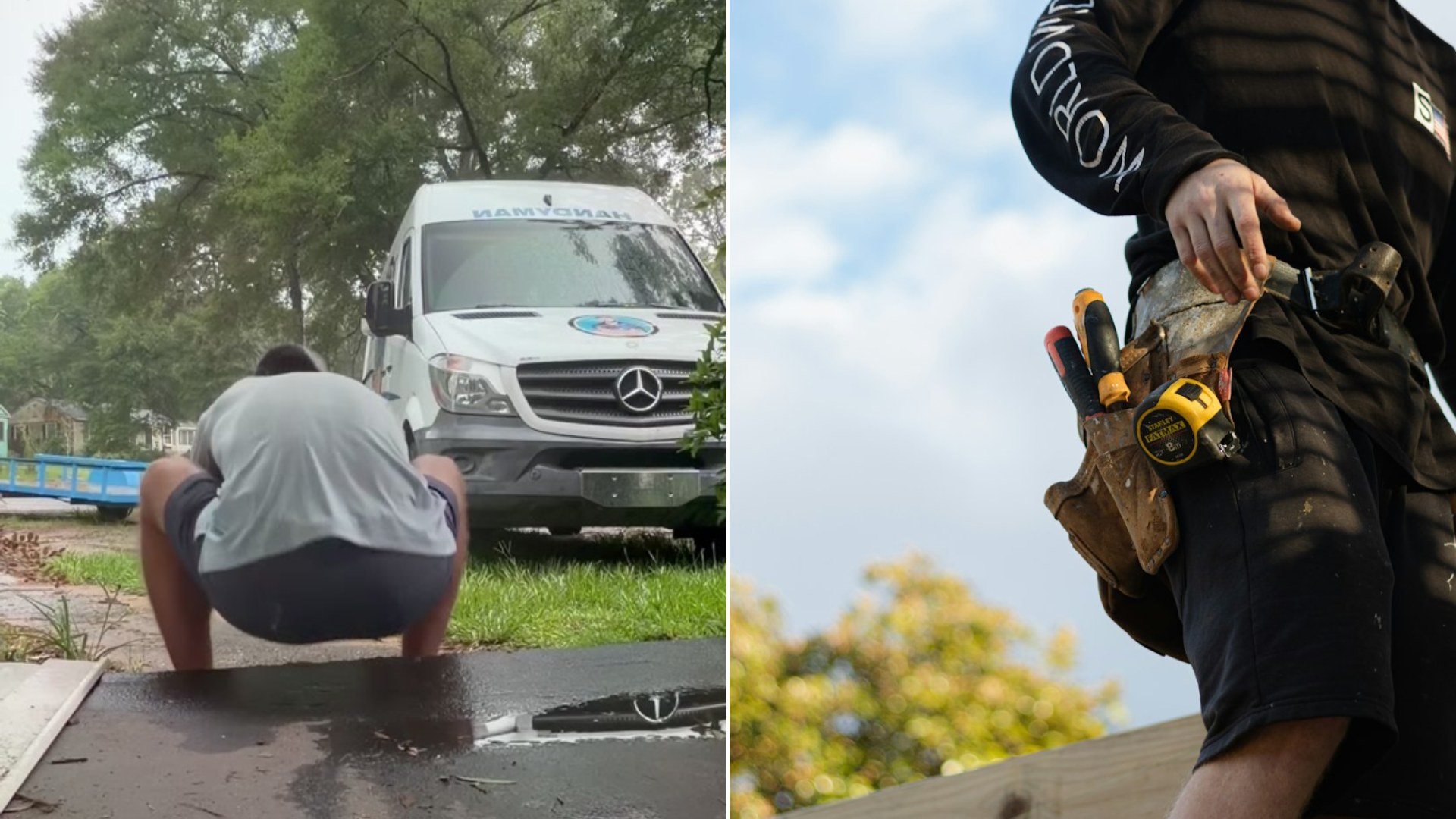
But before anyone gets the tissues out, he makes one thing very clear. He is not quitting. He is “evolving.”
@vision.home.performance
Five years of the jobs nobody wanted
For five years, he says, his goal was to help people with the projects nobody else wanted to fool with. Anyone who has ever tried to hire a contractor to fix a sticking door, patch a bit of drywall, or hang a heavy mirror knows exactly the kind of work he means. Big outfits chase the big remodels. The small stuff sits on a to-do list for months.
He believes he succeeded at what he set out to do. He says he helped a lot of people and made a lot of friends along the way. He also admits to making plenty of big mistakes, the kind that cost him money, time, and a good deal of heartache.
Busy is not the same as sustainable
The line that stuck out most is this one: just because you are busy does not mean you are building something sustainable.
His take is that being a handyman who only does small jobs is a great way to make some extra money, but not a great way to build a business. Think about why. A small job still means driving there, buying parts, doing the work, cleaning up, and sending an invoice. The pay for each one is small, but the time and travel add up fast. You can be booked solid for weeks and still not get ahead, because the whole thing depends on you personally showing up with your tool belt, and there are only so many hours in a day.
He does not say exactly what went wrong job by job, and he does not give numbers, so we will not guess. But his point will ring true for anyone who has ever worked for themselves and wondered why a full calendar did not mean a full bank account.
What happens next
Here is the plan as he laid it out. For the next 30 days he is going to document the whole thing: the wins, the mistakes, the pivot, everything. He says he still wants to help people be more comfortable in their space, he just does not know exactly what that looks like yet.
He is also hoping to find someone in Mobile who wants to take his place. People still need someone to take care of the small things, he says. It just will not be “Vision” anymore.
His closing words were short and cheerful: “Day one starts now. Buckle up.”
If you are a homeowner who relies on a handyman
Stories like this are a good reminder that your local handyman is a small business owner, and small businesses come and go. A few things are worth doing.
- Keep a list of more than one person. Do not wait until a leak or a broken step to start looking. Ask neighbors, your church, or a local community group who they trust.
- Ask about insurance. Reputable handymen and contractors usually carry liability insurance. Ask for proof, especially if the job involves ladders, roofs, or electrical or plumbing work.
- Check local rules. Many states cap the dollar size of work an unlicensed handyman can do, and some jobs require a licensed electrician or plumber. Your local licensing board can tell you where the line is.
- Get the price in writing. Even for a small job, a text or email with the scope and the cost protects both of you.
- Pay fairly and on time. A good small-job pro is hard to replace. If somebody does honest work at a fair price, tell your neighbors.
If you dream of starting your own handyman business
There is plenty of real wisdom here for anyone thinking about hanging out a shingle. A few general lessons that come up again and again in the trades:
- Count your drive time. If you charge by the job and spend an hour on the road each way, your real hourly pay may be much lower than you think.
- Set a minimum charge so a ten-minute fix is still worth the trip.
- Think about repeat work. Maintenance plans, property managers, and landlords can bring steady jobs instead of one-time calls.
- Track every dollar. Know what each job actually earns after parts, fuel, insurance, and taxes.
- Plan for the day you cannot work. A business that stops the moment you do is a job, not a business.
It takes some courage to announce a change like this in public, especially when the honest version includes the word “mistakes.” We will be curious to see where the next 30 days take him, and we wish him luck finding someone to carry the toolbox in Mobile.
More Stories You May Like
- Plumber With 30 Years Of Experience Says Never Use Type M Copper When Replumbing Because It Causes Pinhole Leaks And The Fix Costs Only $10 More
- He Finished A Client’s $8,000 Fence, Then A Neighbor Complained To The City About Which Side Faces Out, Forcing Him To Add 50 Feet Of Shadow Box
- Home Inspector Finds A Gas Meter With A Broken Top Held Together With Tape, Then Learns Nobody Ever Called The Gas Company To Fix It
Leave a Reply