Imagine giving one board a little poke and watching termite droppings pour down like a waterfall. That is what happened during a termite inspection of a home in the Torrance area, and it was all recorded through a pair of smart glasses.
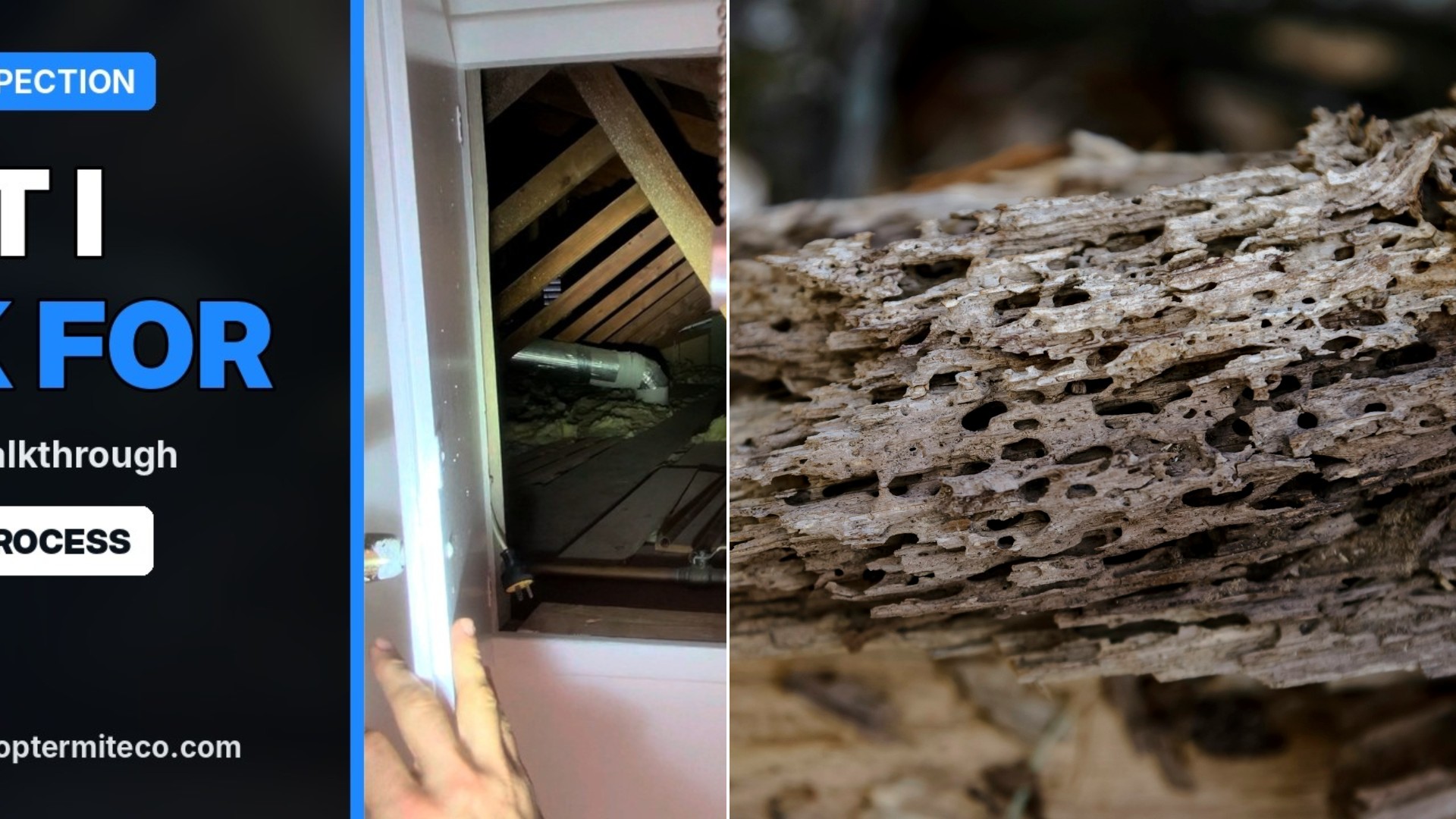
The inspector behind it is Matt Railla of Top Termite Co., who posted a 17 minute walkthrough on YouTube called “Termite Inspection Walkthrough: What a Licensed Inspector Looks For.” Wearing Meta glasses, Matt takes viewers through a typical inspection step by step, from the first measurement to the moment the wood gives up its secret.
Step One Is A Measuring Wheel
Before any wood gets poked, the inspection starts with measurements. Matt walks the perimeter of the house with a measuring wheel, counts off the feet, and marks everything on a field sheet. Accuracy matters here for a very practical reason. When the cost of fumigation is calculated, the company needs the volume of the house, which means the width, the length and the height.
The next phase is checking the wood on the outside of the house, including all the overhangs. Matt looks at the fascia board, the rafter tails and the sheeting, and puts a hand out to catch any droppings that fall. That is one simple way to tell whether termites are in the wood.
The Trusty Termite Poker
The star tool of the day is what Matt calls a trusty termite poker, “a very important tool for any termite inspection.” It extends, so Matt can reach high up to test the wood on the second story of the home. The house also has a lower level that sits below grade.
The poke is not a hard one. It is just a little tap to see if there is damage. If the wood gives way, there is damage. And the sound tells a story too. According to Matt, if it sounds really crinkly and hard, that is termites. If it is soft and there is no sound, that is fungus rot, which comes from water damage. There can be both together.
Even a board that looks protected gets checked. One fascia board had indents that showed it had been treated, so Matt did not necessarily expect to find termites in it. Still, the inspector checked it anyway, because you never know where you are going to find termites.
The Waterfall Of Droppings
Early in the walkthrough, viewers see some termite damage and a bit of droppings come down. Matt marks it on the field sheet. Then comes the poke everyone remembers. Matt hears that crinkling sound, sees droppings fall, and says to watch the next poke. Boom. In Matt’s words, it was almost like a waterfall of termite droppings, which, Matt jokes, is always fun for a termite inspector, because that is exactly what the inspector is there to find.
The point of the moment is not the show. Matt explains that the droppings turned up in too many different areas of the house for a spot treatment. A house like that needs to be fumigated.
Why The Field Sheet Matters
That field sheet is more than scribbled notes. According to Matt, it is used to create the termite inspection report for the buyer of the home. It is also used by the handyman crew that will do the wood repairs. They can see exactly where the damage is and how much of it there is, and whether they need to replace pieces of wood or just patch them.
In other words, the same walk-around that finds the problem also becomes the repair plan.
What Homeowners And Buyers Can Take From This
You do not need a poker or smart glasses to use what Matt shows. A few ideas apply to anyone who owns or is buying a home.
- Look up at the edges. The overhangs, fascia boards and rafter tails are some of the first places Matt checks. Small piles of droppings under them are worth noticing.
- Do not trust a surface. Wood can look fine and still give way, and wood that has been treated still gets a second look.
- Know the two kinds of damage. Termite damage and water damage can sit side by side. A crinkly sound points one way, a soft quiet give points another, and both can be present.
- Ask where the findings go. If you are buying, the report is written for you. Ask to see it, and ask which areas were marked for repair.
- Ask about the scope. Matt’s point is that droppings in many areas call for fumigation, not a spot treatment. If a company recommends one or the other, ask what they found and where.
If you have ever wondered what a licensed termite inspector actually does when they show up at a house, this walkthrough is a clear, plain look at it. And if you are about to buy a home, it may be a good reminder to ask for a termite inspection before you close, not after.
More Stories You May Like
- Home Inspector Checking a Railing Pulled Out a Voltage Tester and Found a Live Electrical Wire Where No Homeowner Would Ever Expect One, and Electricians Are Stunned
- Home Inspector Finds A Gas Meter With A Broken Top Held Together With Tape, Then Learns Nobody Ever Called The Gas Company To Fix It
- Pressure Washer Says Another Contractor Told A First Time Home Buyer Her Brick Wall Needed To Be Torn Down, And All It Needed Was A Little Chemistry
Leave a Reply