Winter has a way of showing up on the calendar before it shows up in the budget. This year, a report from FingerLakes1.com is a reminder that the way you heat your home may decide how hard the season hits your wallet, and for some New York households the answer is not pretty.
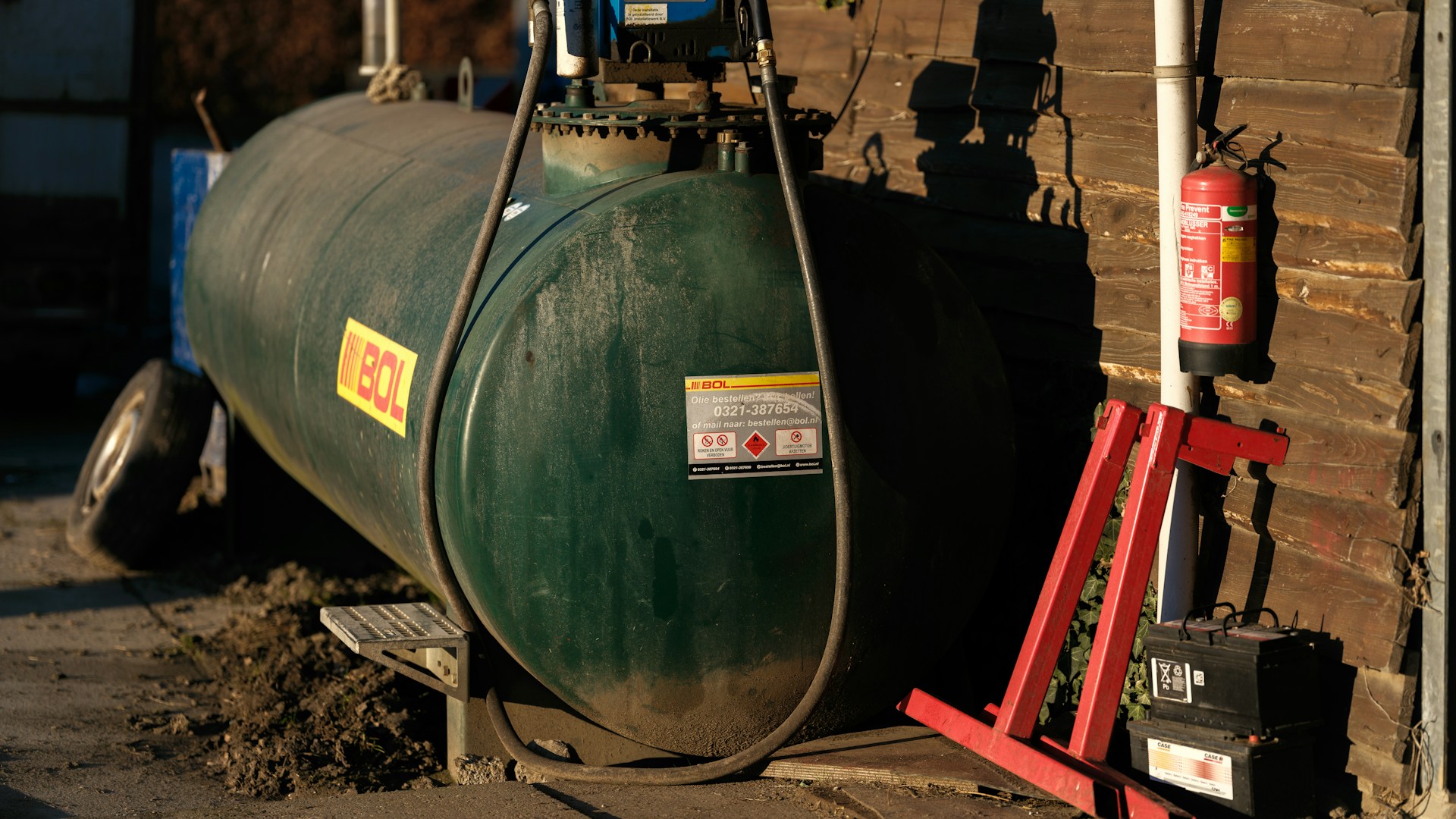
In an October 17, 2026 article, the site cited prices from the New York State Energy Research and Development Authority, known as NYSERDA, dated October 5. Heating oil was selling for $6.210 a gallon. A year earlier it was $3.720. That works out to an increase of 67%.
Oil, propane and kerosene
Heating oil was not the only fuel on the rise. According to the same NYSERDA figures, propane came in at $3.532 a gallon, up 12.8% from last year. Kerosene was $6.846 a gallon, up 50.7%. If you fill a tank a few times each winter, those percentages add up quickly. A jump from $3.720 to $6.210 means every gallon costs about two and a half dollars more than it did a year ago, and a household that burns a lot of fuel feels that in a big way.
The picture is different for families who rely on utility lines instead of delivered fuel, though the news is not all cheerful there either.
What National Grid expects
The article reports on National Grid’s estimates for typical upstate customers for the period from November 1, 2026 to March 31, 2027. Electric bills are expected to rise 3% to 5%, which comes to between $22 and $39 over those five months. Gas bills are expected to be about $9 lower, based on 713 therms of use.
Nine dollars over a whole winter is hardly cause for a celebration. It is a nice thought, but it will not buy a tank of anything. Still, it points in a better direction than the electric side, where customers will be paying a bit more.
It is worth noting that these National Grid figures are estimates for typical upstate customers, not statewide averages and not a guarantee for any one home. Your own bill depends on your usage, your weather, your house and your rate plan. Think of the numbers as a signpost, not a prediction for your address.
Check your own situation, wherever you live
You do not have to live in upstate New York to take something from this. The big lesson is that heating costs depend heavily on what fuel you use, and that prices can swing sharply from one year to the next. Here are some sensible steps to take now, before the cold sets in.
- Find out what you pay. Look at last winter’s bills or delivery receipts so you have a baseline for comparison.
- Call your utility or fuel supplier. Ask about budget billing, which spreads costs across the year, and ask about any programs that could help you.
- Compare delivery prices. If you buy oil, propane or kerosene, prices can vary between suppliers, so a few phone calls may be worth the trouble.
- Ask about price protection. Some suppliers offer fixed price or capped price plans, but read the terms closely before you sign.
Trim the need before you pay for the fuel
The cheapest gallon of oil is the one you do not burn. A few inexpensive jobs can reduce how much heat escapes your home.
- Seal drafts around windows and doors with weatherstripping or caulk.
- Close the fireplace damper when it is not in use.
- Set your thermostat a little lower while you are asleep or away. A programmable or smart thermostat can handle this for you.
- Draw curtains at night and open them on sunny days to let the sun help out.
- Have your furnace or boiler serviced so it runs as efficiently as it can.
None of these will wipe out a 67% jump in oil prices, but together they can take some of the bite out.
Why the gap between fuels matters
It is easy to treat a home’s heating system as something you inherited and cannot change. But the numbers above show why people pay attention to it. Two neighbors on the same street can face very different winters, one watching a fuel delivery truck fill the tank and the other opening a modest utility bill. If you are thinking about replacing an aging furnace or boiler, or adding a second heat source, this is a good time to ask a licensed heating professional what options fit your home and what each would cost to run.
That kind of decision takes time, so do not rush it in the middle of a cold snap. For now, the practical move is to understand your own bill and cut waste where you can.
Plan ahead and look after each other
Fuel costs hit older adults and people on fixed incomes especially hard, since they cannot simply earn more to cover the difference. If you have a neighbor or relative who heats with oil, a friendly check in before the cold snaps could be a real kindness. Help them compare suppliers, or simply make sure they know about options through their utility.
The bottom line is this. Heating oil in New York is up 67% according to NYSERDA data, propane and kerosene are up too, and a typical upstate National Grid gas customer is expected to save only about $9 while electric bills creep higher. Know your fuel, know your bill, and make your plan now, while the weather still lets you.
More Stories You May Like
- Couple Renovating a Fixer Upper Knew Something Was Off About One Wall, and When They Finally Opened It They Found a Massive Termite Nest Instead of Insulation
- Home Inspector Finds A Gas Meter With A Broken Top Held Together With Tape, Then Learns Nobody Ever Called The Gas Company To Fix It
- Georgia Passes A New Law Requiring HOAs To Register With The State Every Year And Limiting Foreclosures, And Homeowners Are Being Told To Know Their New Rights
Leave a Reply