If you have opened your electric bill lately and felt your stomach drop, you are not imagining things. The U.S. Energy Information Administration, known as the EIA, is forecasting that the average price of residential electricity will climb again this year, and some parts of the country are expected to see the steepest increases.
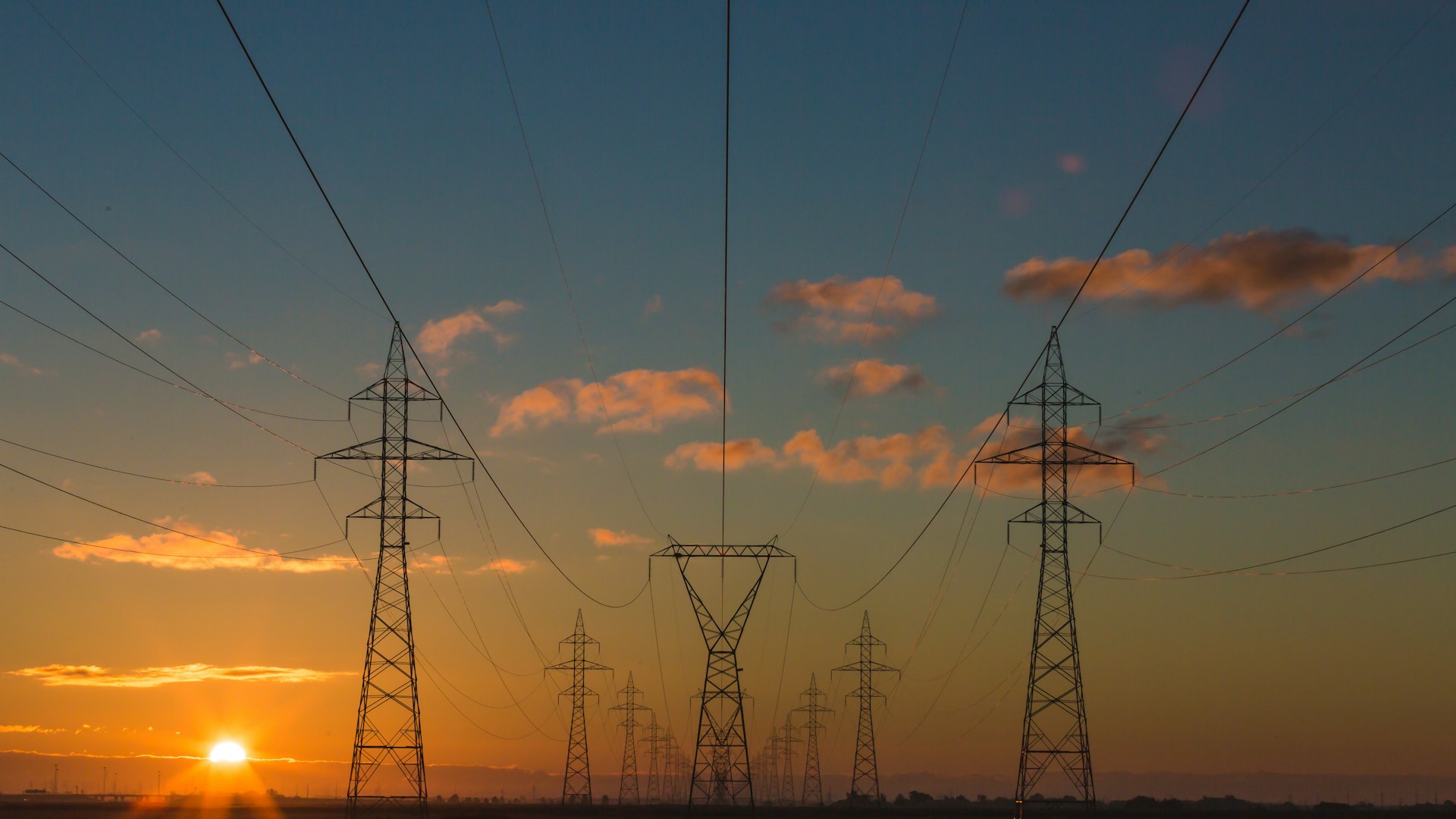
According to Utility Dive, which reported on the EIA’s Short-Term Energy Outlook, the average residential electricity price is projected to be 18.2 cents per kilowatt hour in 2026. That is nearly 5% higher than in 2025.
What The Forecast Says
Utility Dive’s report on the forecast ran on May 15, 2026 and cited the EIA’s Short-Term Energy Outlook, which was released on May 12, 2026. Because this is a forecast made in May, the numbers could change as the year goes on. Here is what it said:
- The average residential electricity price is expected to be 18.2 cents per kilowatt hour in 2026.
- That is nearly 5% above the 2025 average.
- Growth of about 2% is expected in 2027.
- Regions on the East Coast could see increases of up to 7% a year over the next two years.
So the pace of increases is expected to slow in 2027, but the price itself would still be going up, and the East Coast is expected to feel it the most.
What A Kilowatt Hour Means
A kilowatt hour is the unit your utility uses to measure how much electricity you use. A 1,000-watt appliance running for one hour uses one kilowatt hour. The price per kilowatt hour is what you pay for each one. Your bill adds up all your kilowatt hours, and your utility may add other charges on top. That is why your own bill will not match the national average exactly. Rates vary from place to place, and the 18.2 cents is an average across the country.
Why You May Feel It More Than The Number Suggests
A forecast of nearly 5% sounds modest. But a price increase hits your wallet no matter what the percentage is, and it stacks on top of everything else that has gotten more expensive. For a household on a fixed income, a few dollars more each month can add up over a year. And if you live in a region where increases are projected to run as high as 7% annually, the effect compounds quickly.
The brief version is that you cannot control the rate, but you can control how much electricity you use and how well you understand your bill. That is where the next few steps come in.
Practical Steps To Take Now
- Read your bill closely. Find your rate per kilowatt hour, your total usage and any fixed fees. Compare it with last year’s bill for the same month if you can. You may spot a change you did not know about.
- Find your biggest users. Heating, cooling and water heating are usually among the largest uses of energy in a home. Even a small change in how you use them can make a difference.
- Look at the little things. Switch off lights in empty rooms, unplug chargers and devices you do not use, and run full loads in the dishwasher and washing machine.
- Ask your utility what they offer. Many utilities have programs such as payment plans, assistance for those who qualify, or tips on how to use less. A phone call costs nothing.
- Check for leaks and drafts. Heat and cool air escaping through gaps around windows and doors is wasted money. Simple sealing can help.
- Consider timing. Some utilities charge different rates at different times of day. If yours does, it may pay to run big appliances at cheaper hours. Ask whether you are on such a plan.
A Few Cautions
Be careful with anyone who calls or knocks at your door promising to slash your electric bill. Some of them are legitimate, and some are not. Never give out your account number or payment details to someone who contacts you out of the blue. If you want to switch plans or providers where that is allowed, go through your utility or your state’s official channels, and read all the terms before agreeing to anything.
It is also wise not to read too much into one forecast. The EIA’s numbers are projections, and they can be revised. The report is a useful guide to where things may be heading, but it is not a guarantee of what your bill will be.
Plan Ahead
If you set a household budget, build in a little room for electricity to cost more than it did last year. Even a small cushion can keep a rate increase from becoming a surprise. And if you have been meaning to make small changes to how you use power at home, now is a fine time to start. The national average may be heading to 18.2 cents per kilowatt hour, but the number on your bill is something you have a real say in.
More Stories You May Like
- They Plan To Restore A 130 Year Old Abandoned Farmhouse With No Power, No Water And No Plumbing, And Will Close In The Porch For A Bathroom
- Homeowners Find A Hidden Box In Their Attic Wall With A Key Rattling Inside A Mirror And Open It To A Burnt Ouija Piece And A Lock Of Hair
- Home Inspector Checking a Railing Pulled Out a Voltage Tester and Found a Live Electrical Wire Where No Homeowner Would Ever Expect One, and Electricians Are Stunned
Leave a Reply