A 27-year-old software engineer with a gross income of $300,000, about $90,000 in savings and roughly $4,000 in student loans called into a real estate show to say something plainly: owning a building and renting out two of its units, a setup he says he hates, is miserable. The answer he got back was not a pep talk about hustling harder. It was permission to stop.
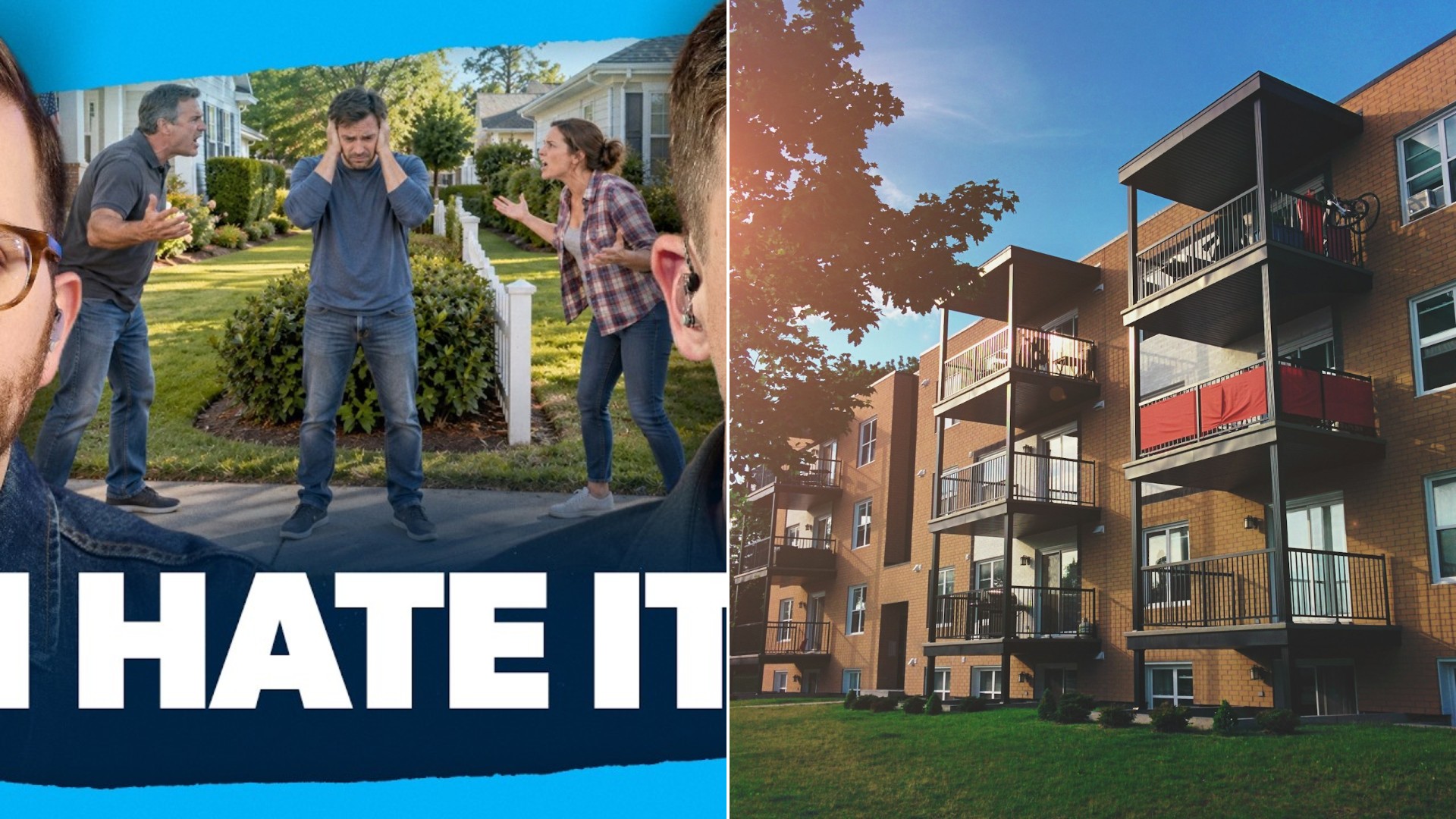
The exchange comes from the YouTube channel Real Estate The Ramsey Way, in a segment titled “I’m House Hacking And It’s Miserable!” The caller describes his situation, and the host responds with some plain talk.
What the Caller Is Dealing With
The caller says he is currently house hacking and trying to move, because he does not like his current living situation in what he describes as a low-income area. He has two options. One is to move out to an apartment and rent out his current unit. The other, which he was leaning toward, is to buy another property in a better area and keep house hacking.
The host asks him to explain the term. In the caller’s words, house hacking means a multi-family unit: you live in one unit, rent out the other two, and use the rent to cover the mortgage.
The host’s first reaction is blunt. “Is that what the kids call it these days? Yeah, that sounds miserable.” The caller agrees. He says it is pretty miserable, and that he actually hates it.
Why He Did It in the First Place
The caller says he just wants to become financially stable. He did not like how expensive rent was, and he had always heard it is better to buy than rent. He thinks he first came across house hacking on YouTube a few years back.
That is a very relatable story. Plenty of people have heard that it is better to buy than rent. When a clever-sounding strategy shows up online, it can be easy to jump in without asking what daily life will actually feel like.
The Host’s Reality Check
The host shares a personal story about biohacking, an early adopter in 2009 and 2010, pricking a finger every morning and keeping detailed spreadsheets. Then one day, the host realized the effort was biohacking toward a life the host hated living.
The point the host wants the caller to take in is that a lot of times, the things that seem really cool on the internet are going to destroy your life. The host tells him it is okay to opt out, to go rent for a while and reset. He can sell the multifamily property, because he does not want to be a landlord by default just because he thought house hacking was going to be the move.
The host also notices something good: the fact that he is thinking about his future self tells the host he has what it takes to become financially secure.
The $300,000 Moment
Then the host asks about income. “My gross is 300,” the caller says. The host asks what he does, and he answers: software engineer. The host repeats it back, “300,000?”, and delivers the line of the call: “You know who doesn’t need to house hack? Guys who make $300,000 as a software engineer.”
The host’s point is that the caller can pay his own mortgage “like a grown adult.” He does not need people next door who knock on the door when their toilet breaks and who throw parties.
Then the host asks about debt. The caller has about $4,000 in student loans, and he says he could pay that off today. He also has about $90,000 in savings. The host sums it up: today, he will be consumer debt free with $90,000 in the bank.
Lessons for the Rest of Us
Most of us do not make $300,000 a year. But the call holds some ideas that apply to nearly anyone thinking about buying a home or taking on tenants.
- Count the cost of your time and peace of mind. Rental income has a price. When you share a building with tenants, you are the one who gets the knock when something breaks.
- Do not copy a strategy just because it works online. What suits one person’s life and income may be a poor fit for yours.
- Know your goal. The caller wanted financial stability. The host’s message was that he did not need this particular route to get there.
- Remember that renting is allowed. It is okay to rent for a while, reset and decide again later.
- Look at the full picture. Income, savings and debt all matter when you decide whether a plan is necessary.
Owning Is Not the Only Path
For renters reading this, the call is a reminder that there is no shame in renting while you save, and for owners, there is no shame in changing course. A home should make your life steadier, not more stressful.
The caller walked in believing he had to keep house hacking to be responsible with money. He walked out hearing that someone in his position, with solid income, little debt and healthy savings, does not need to live that way to build a secure future. Sometimes the best financial advice is permission to quit doing something you hate.
More Stories You May Like
- Georgia Passes A New Law Requiring HOAs To Register With The State Every Year And Limiting Foreclosures, And Homeowners Are Being Told To Know Their New Rights
- Real Estate Agent Warns Buyers to Assume Cameras and Microphones Are Capturing Their Every Word the Moment They Step Out of the Car at a Showing, and Explains What Not to Say
- Plumber With 30 Years Of Experience Says Never Use Type M Copper When Replumbing Because It Causes Pinhole Leaks And The Fix Costs Only $10 More
Leave a Reply