Home is supposed to be the one place a mother can relax and keep her kids safe. But renter @thekarmaeffect__ says her landlord has made that feel impossible. In a short, quiet video, she shares her frustration in the caption: harassing text messages, and visits to her house late at night while she is home with her two teenage daughters. “I’m seriously losing my mind now,” she writes.
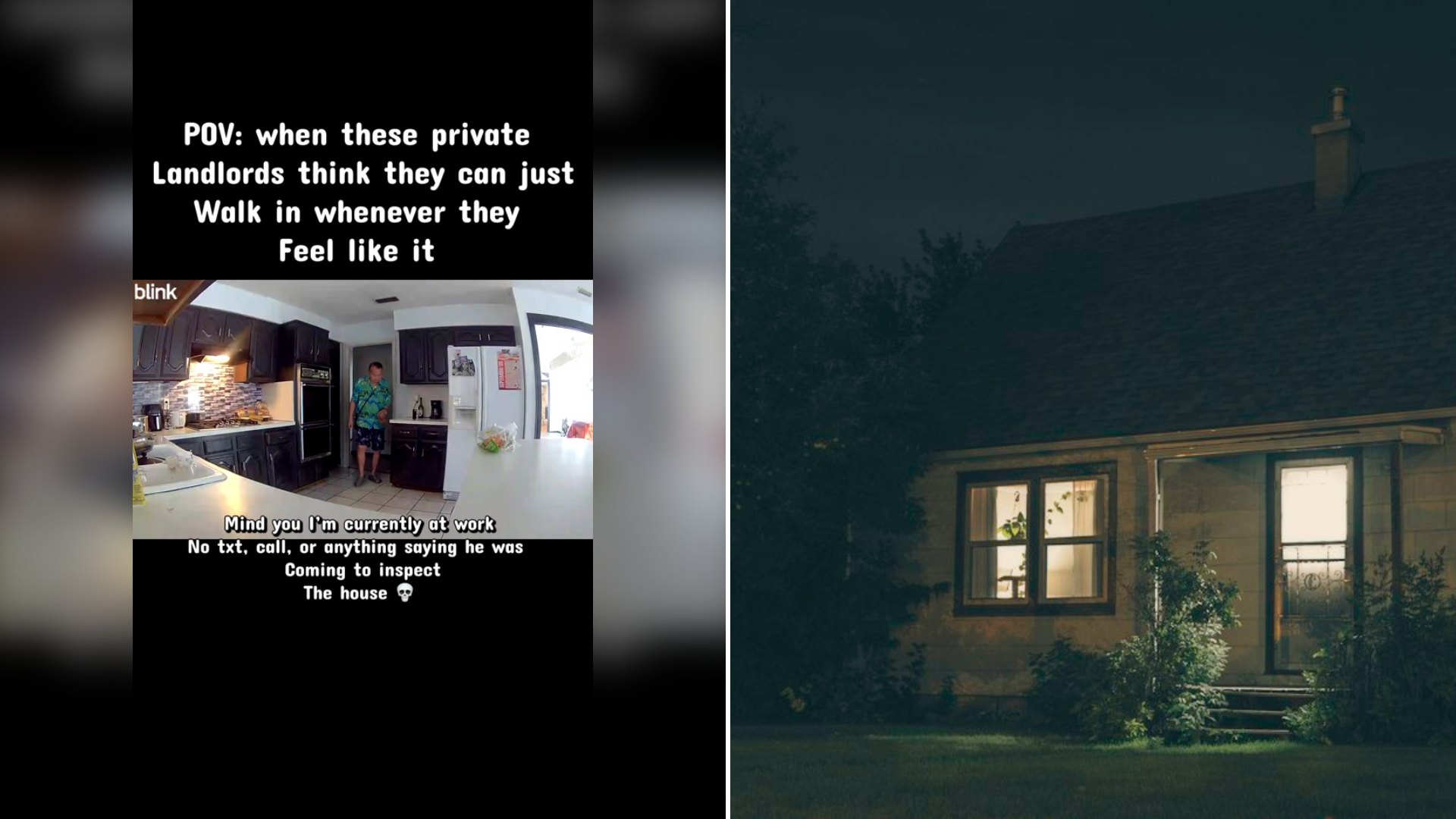
The clip itself is only a few seconds long and has no spoken words. The story is all in what she wrote alongside it. She says she has been having ongoing issues with this landlord and is fed up. She describes feeling stuck. And she asks a direct question that many renters have asked at one time or another: “What can I do regarding this?”
She does not share the details of the texts or what the landlord wants during the late-night visits. But for a mom with two teenage girls in the house, the idea of someone showing up unannounced after dark is clearly unsettling, whatever the reason.
@thekarmaeffect__
Your Home Is Still Your Home When You Rent
Many renters, especially those who have had a hard time finding housing, feel they have to put up with whatever a landlord does. That is not the case. While the details vary by state and city, renters across the country have some basic protections.
The right to quiet enjoyment. Most leases, and the law in most states, give tenants the right to live in their home without unreasonable interference from the landlord. Repeated harassment can violate that right.
Notice before entry. Many states require landlords to give advance notice, commonly 24 hours or similar, before entering a rental, except in a genuine emergency like a fire or burst pipe. Entry is often limited to reasonable hours and legitimate reasons such as repairs, inspections or showing the unit. Some states have no set notice period, but courts generally still expect landlords to act reasonably. Showing up at the door late at night for something that is not an emergency is the kind of behavior many tenant laws are designed to discourage.
Protection from retaliation. Many states prohibit landlords from raising rent, cutting services or trying to evict a tenant because the tenant complained or asserted their legal rights.
Steps to Take If Your Landlord Is Harassing You
If you are in a situation like this one, these steps can help you take back some control:
- Read your lease. Look for sections about landlord entry, notice and communication. Knowing what you agreed to is the first step.
- Save every message. Screenshot texts with the date and time showing and back them up somewhere safe, such as email or cloud storage. Do not delete anything, even messages that make you look bad.
- Keep a log of visits. Write down every time the landlord comes by: the date, time, how long they stayed and what was said. A doorbell camera can capture this automatically.
- Put your request in writing. Send a calm, short letter or email asking the landlord to communicate in writing during reasonable hours and to give proper notice before coming to the property. Keep a copy. Certified mail creates proof it was received.
- Do not open the door if you feel unsafe. You can speak through the door or ask the person to contact you in writing. If you ever feel threatened, call 911.
- Report it. If the visits or messages include threats, intimidation or anything that makes you fear for your safety, a police report creates an official record.
- Keep paying rent. As hard as it may be, staying current on rent protects you. Withholding rent without following your state’s specific rules can give a landlord grounds to evict.
Where Renters Can Find Help
You do not have to figure this out alone. These resources are often free or low cost:
- Legal aid offices. Most areas have nonprofit legal aid organizations that help tenants with limited income. They can explain your rights and sometimes contact the landlord for you.
- Local tenant unions and housing counselors. Many cities have tenant rights groups and HUD-approved housing counseling agencies that know local law well.
- Your state attorney general. Many attorney general offices publish free tenant handbooks and accept complaints about landlords.
- Your city or county housing department. Some local governments enforce rental rules and can investigate harassment complaints.
- Court protective orders. If the behavior is severe and ongoing, many states allow people to request a civil harassment order. A legal aid attorney can explain whether that fits your situation.
Moving is also an option some renters consider, but breaking a lease can carry penalties. If you are thinking about it, talk to a legal aid office first. In some states, a landlord’s illegal entry or harassment may give a tenant the right to end a lease early.
For this mom, the hardest part seems to be the feeling of being trapped. Documenting everything, putting requests in writing and reaching out to local tenant resources can turn that helpless feeling into a plan, and help her get back to what every parent wants: a safe, peaceful home for her girls.
More From Willow and Hearth
- Former Landlord Says In Some Places Your Security Deposit Is Supposed To Earn Interest, And Tenants Who Never Asked Have Been Leaving Money Behind
- She Sued Her Landlord And Won, And Now She Is Choosing Peace Over A Fight About What She Says Is $550 Too Much Taken From Her Deposit
- Renter Asks the Internet What to Do After Her Neighbor Keeps Leaving Trash Where Every Other Neighbor Puts Theirs Leaving No Room on Recycling Day and Says It Was Never a Problem Until Now
Leave a Reply