For more than five years, @binoymusic says his neighborhood was drama free. Then a new neighbor moved in a few months ago, and everything changed. Late night parties, blocked guest parking and a polite note that went nowhere were bad enough. But he says the new neighbor went further, posting videos online trashing the people who live around him and even naming one sweet woman next door and listing her address.
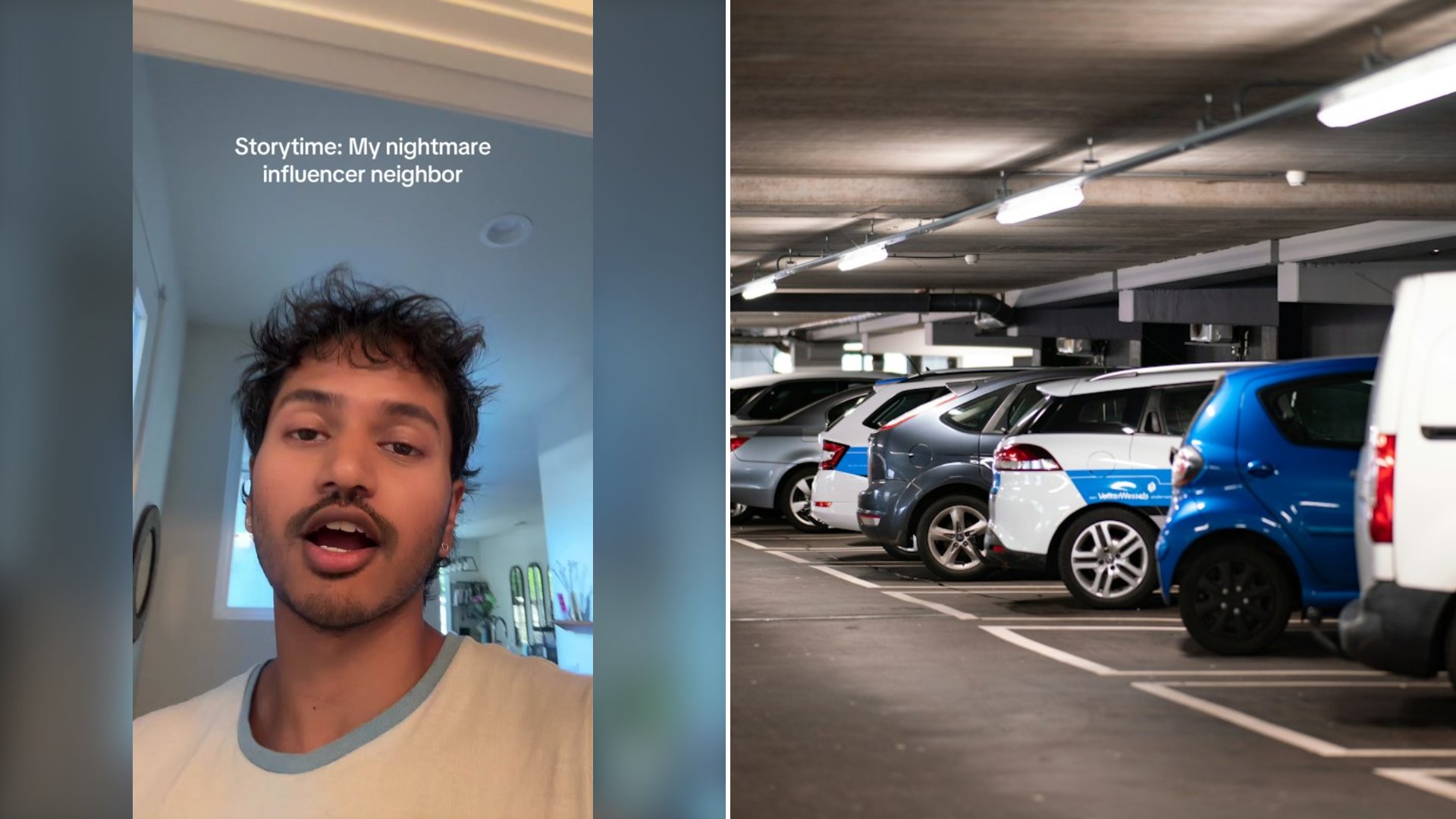
“You wanna talk on the internet? Ok let’s talk,” his caption reads. He says the new neighbor has been bad-mouthing the whole neighborhood online, while in his view being the one causing the problems. He is careful to point out that he will not name the man, saying he is “not that petty.”
Parties Until 4 AM and a Very Polite Note
He says the trouble started with the new neighbor’s immediate next door neighbors, a couple who had recently had a baby. Soon after moving in, the newcomer began throwing parties that ran until three or four in the morning with loud music.
The new parents went over, knocked on the door and asked if he would mind turning the music down because their baby was already having trouble sleeping. Nothing changed, he says, and the parties continued multiple nights in a row.
The second issue was parking. He says the new neighbor, who has two cars, started parking in front of his garage in a way that blocked the shared guest parking spots. The neighborhood street, he says, has plenty of parking and permits are easy to get. That is what everyone else does.
So he and his roommate wrote a note. He says it took five people standing around a table to draft it, all working to make it polite and not aggressive. The message was simple: would you mind not parking there? They offered to help him get a permit, show him where to park and reminded him he could use the guest spots too.
A few months passed, he says, and nothing changed.
Then the Videos Appeared
That is when he and his roommate found the neighbor’s Instagram. The first video, he says, began with the neighbor declaring that his neighbors hate him and he hates them, followed by an aggressive rant aimed at the family with the baby, with the new neighbor painting himself as the victim.
They found another video about themselves and the note, which he says completely misrepresented what happened and included plenty of cursing.
Worst of all, he says, was a video about another neighbor, whom he describes as a “super sweet lady.” The new neighbor not only called her out by name but listed her address. He believes it is all being done for attention and engagement on the man’s social media page.
@binoymusic
What to Do When a Neighbor Posts About You Online
Neighbor disputes used to stay on the block. Now they can end up online, sometimes with names, photos and addresses attached. Posting someone’s home address publicly, often called doxxing, can expose that person to harassment from strangers. It is a serious concern, especially for older adults who live alone.
If you discover a neighbor is posting about you, here are steps to take:
- Do not respond in the comments. Arguing publicly usually adds fuel and can draw more attention to your information.
- Save evidence first. Take screenshots or screen recordings showing the post, the account name and the date before it can be deleted.
- Report the post. Major social media platforms, including Instagram, have policies against sharing private information like home addresses and against harassment. Use the report option on the post and choose the category that fits.
- Tighten your own privacy. Review the privacy settings on your accounts and consider asking people-search websites to remove your address. Many offer opt-out forms.
- Tell local police if threats appear. If strangers start showing up or sending threatening messages, report it and bring your screenshots.
- Talk to an attorney if it continues. Depending on your state, repeated harassment, false statements or threats may give you legal options, including a protective order.
Handling Noise and Parking the Right Way
The neighbors in this story did what experts usually recommend: they knocked politely first, then put a friendly request in writing. When those steps fail, there are other options. Many cities have noise ordinances with quiet hours overnight, and a non-emergency police line can respond to late-night noise. If the homes are part of a homeowners or condo association, the board may have rules about noise and shared parking that it can enforce. Community mediation programs can also help neighbors find common ground.
Shared guest parking is a common flashpoint in townhome and condo communities. If your community has assigned or guest spaces, check the governing rules to see who may use them and for how long. Many associations can issue warnings, fines or even arrange towing for repeat violations, which takes the burden off individual neighbors.
Above all, keep a log of dates, times and incidents. A calm, documented record is far more persuasive than any online rant, as this homeowner seems to understand.
Leave a Reply