The average American household is about to pay more to stay warm. The group that tracks home energy bills puts the number at $1,030 for the winter.
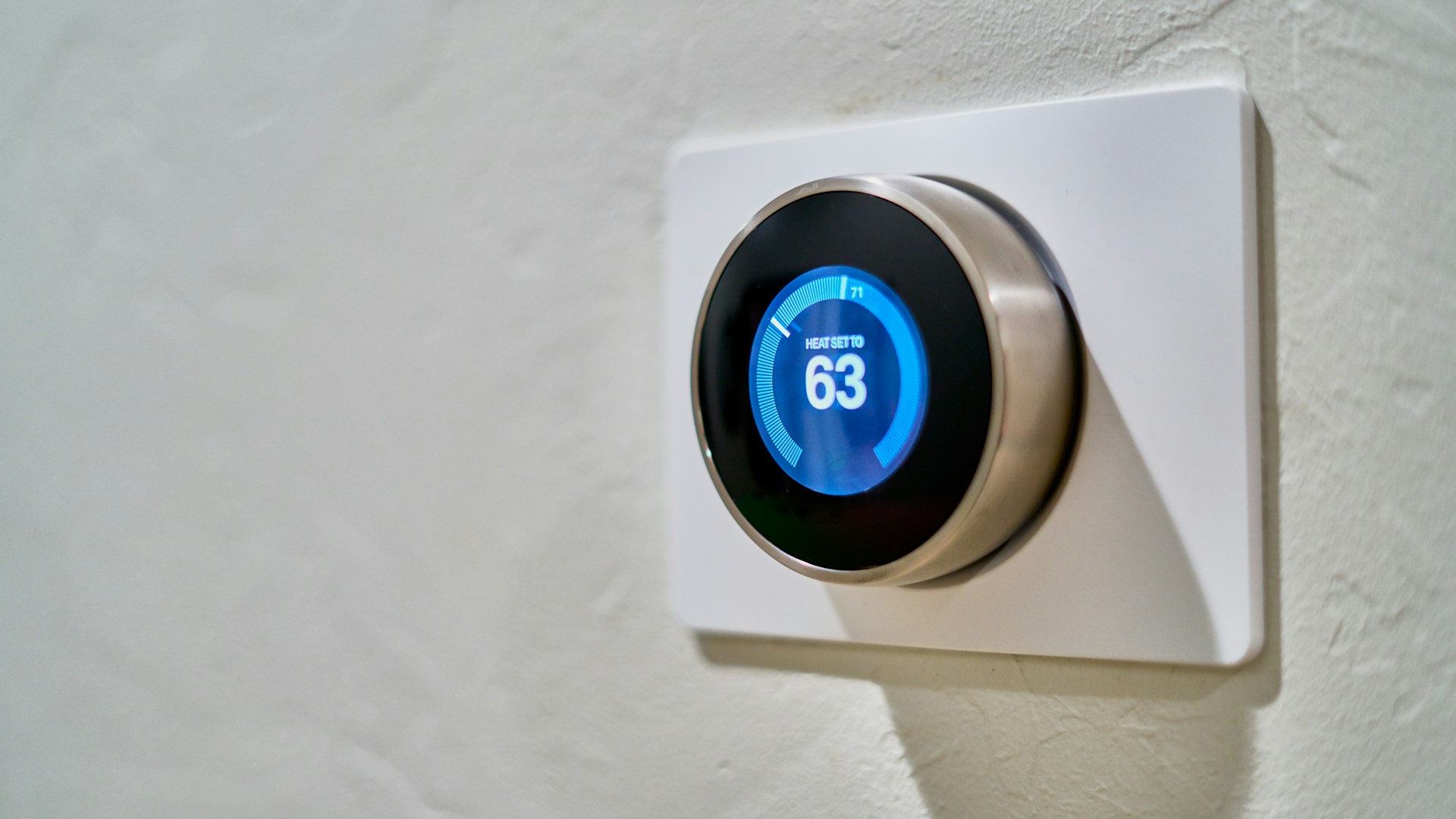
That is $82 more than last winter, an increase of 8.7%. For families already stretched, it lands on top of everything else.
The figures come from a forecast by the National Energy Assistance Directors Association, covered in a ConsumerAffairs report from September 16.
Who Is Paying The Most Extra
The jump depends on how you heat. Heating oil is up 31.3%, electricity 9%, propane 8.7% and natural gas 5.8%.
A household that burns oil faces the steepest climb. A home heated with natural gas sees the smallest.
One In Six Households Is Already Behind
The report says one in six households is behind on utility bills. That means a bigger bill arrives for many families who have not caught up from last year.
Falling behind can lead to late fees and, in the worst cases, a shutoff notice. The earlier you call the company, the more options you tend to have.
Call Your Utility Before You Fall Behind
Many utilities offer payment plans, budget billing that spreads costs evenly across the year, or hardship programs. They rarely advertise them, so you have to ask.
Ask about any winter shutoff protections in your area, and ask whether you qualify for discounted rates.
Look For Help
The national Low Income Home Energy Assistance Program helps with heating costs. Your state energy office or local community action agency can tell you whether you qualify and how to apply.
Applications often open in the fall, and funds can run out, so apply early.
Cut The Bill Without Freezing
- Set the thermostat a few degrees lower when you are home, and lower still when you sleep or leave.
- Change the furnace filter so the system runs efficiently.
- Seal drafts around doors and windows.
- Open curtains on sunny days and close them at night.
- Close the damper when a fireplace is not in use.
An Honest Look At Space Heaters
Using a small heater in the room you live in can lower the bill, but space heaters are a leading source of home fires. Choose one with a tip-over switch, plug it directly into the wall, and never leave it running unattended.
What Insulation Can Do
If you own your home, the attic is usually the most worthwhile place to add insulation, since heat rises. Weatherstripping and caulk are cheap fixes you can do in a weekend.
Ask your utility whether it offers a free or low-cost energy audit. A professional can find leaks you cannot see.
A Note On The Date
This forecast was published in mid-September, so check your own utility bills and local fuel prices for the latest. Prices can change with the weather and the supply.
Budget For It Now
If the average rise is $82, set aside a little each week now so the first cold bill does not hit all at once. Even a small monthly cushion helps.
Write down your heating source, last winter’s costs and what you can trim, then make a plan before the cold arrives. It is easier to adjust in October than in January.
Check On Others
Older neighbors and relatives on fixed incomes are often the first to turn the heat down too far. A quick call or visit to make sure they are warm and know about assistance can matter more than any gadget.
Do A Quick Home Check This Weekend
Walk through each room with your hand near the windows and doors. If you feel cold air, mark the spot with tape and fix it with caulk or weatherstripping. It takes a few minutes and costs a few dollars.
Look at the water heater setting too. Many are set higher than needed, and turning it down a notch saves energy without much difference in comfort.
Use Your Bills As A Guide
Pull out last winter’s bills and find the highest month. That is your target for planning. If you saw a sharp spike, think about what drove it, such as a cold snap, a leaky window or a long stretch away.
Some utilities show a usage chart online. Comparing month to month helps you see whether your changes work.
Ask About Programs That Help
Besides heating assistance, some utilities offer rebates for insulation, efficient appliances and smart thermostats. Check the website of your electric or gas company, or call them. A rebate can pay for much of a small upgrade.
Community groups, churches and local charities often run emergency funds that help with a bill before a shutoff. A call to your local help line can point you to them.
Cooking And Hot Water Count Too
Heating is only part of the picture. Washing clothes in cold water, running full loads in the dishwasher and fixing leaky hot water taps all trim the bill a little at a time.
Small savings add up over a long winter, and each one is within your control.
More Stories You May Like
- Heating With Gas Or Propane This Winter Should Cost Less But Electric Heat Is Expected To Cost More And Heating Oil Prices Are Forecast Up About 21%
- Property Tax Bills Jumped 3.7% In 2025 To An Average Of $4,427 While Home Values Slipped 1.7% And Inflation Only Rose About 2.7%
- Homeowners Insurance Barely Went Up This Year But A March 2026 Rule Change Means Insurers May Now Only Pay The Depreciated Value Of Your Roof
Leave a Reply