New home construction took a step backward in September. The government’s latest numbers show builders pulling back at a time when the country needs more homes.
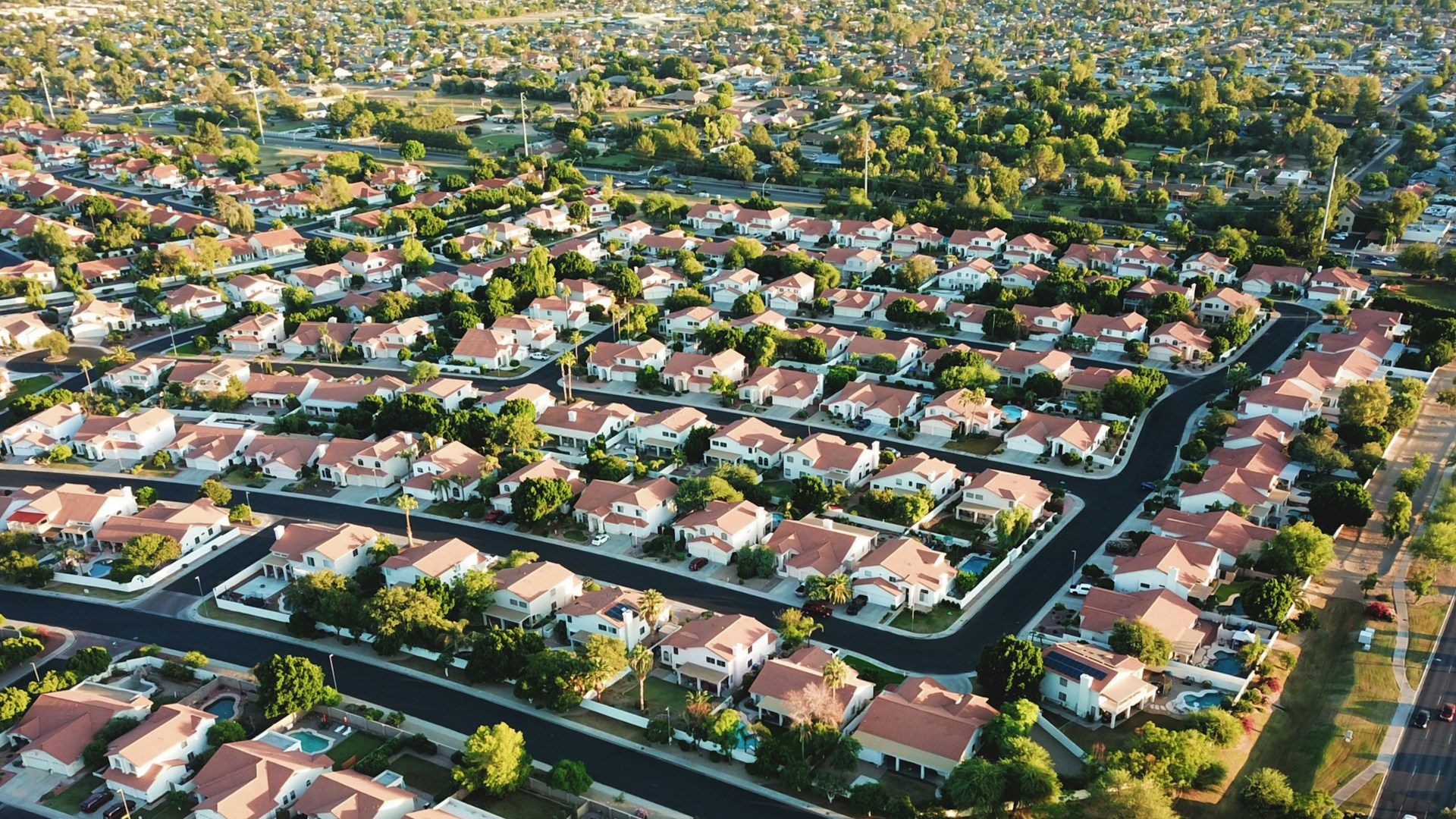
Total housing starts fell 5.2% to a seasonally adjusted annual rate of 1.221 million. That is 7.4% lower than a year earlier.
The figures were summarized in an October 23 Mortgage News Daily report by Matthew Graham.
Single Family Homes Slipped
Single-family starts came in at 859,000, down 4.6%. Those are the houses most buyers picture when they think of a new home.
As the report put it, “Residential construction failed to find even footing in September”.
Permits Barely Moved
Total building permits were 1.400 million, a dip of 0.2%. Single-family permits were 845,000, down 4.0%.
Permits show what builders plan to start. Their decline suggests caution will continue.
Homes Finished
Completions were 1.192 million. Those are the homes that actually reach the market.
Why Builders Are Cautious
Builders face high borrowing costs, steady material and labor costs, and buyers who are hesitating because of mortgage rates. When demand slows, they scale back to avoid unsold homes.
Fewer new homes today can mean tighter supply later, which can support prices even when demand is weak.
What It Means For Buyers
If you are shopping for a new build, builders may offer incentives such as rate buydowns, closing cost help or upgrades. Ask what they will do to close a sale.
Compare the incentive with a price cut. A lower price helps for the whole life of the loan, while a short-term rate buydown may expire.
What To Ask A Builder
- What is included in the base price, and what costs extra?
- Which incentives are available, and what are the terms?
- When is the expected completion date, and what happens if it slips?
- What warranty comes with the home?
What It Means For Existing Homeowners
If you own a home, slower building can keep competition for existing homes steady. It is one reason prices have not fallen sharply in many areas even as sales slow.
Get An Independent Inspection
Even a new home can have problems. Hire your own inspector rather than relying only on the builder’s final walkthrough. The cost is small compared with fixing a defect later.
Remember The Big Picture
One month of data is a snapshot. Starts bounce around from month to month, so look at several months before drawing conclusions.
What matters for most families is the price and payment of a home they can actually buy, and that depends on local supply, rates and incomes more than any national figure.
What Housing Starts Actually Measure
A housing start is counted when construction begins on a new home. The number is reported as an annual rate, which means it shows what the year would look like if that month’s pace held for twelve months.
The figures are adjusted for the season, because building slows in winter and picks up in spring. That lets analysts compare month to month without the weather getting in the way.
Permits Versus Starts Versus Completions
These three numbers tell a story of the pipeline. Permits are the permission to build. Starts are the shovels in the ground. Completions are the finished homes.
When permits fall, starts tend to follow. When starts fall, completions follow several months later. That is why today’s drop matters for next year’s supply.
How To Read A Slow Month
A drop of 5.2% in one month does not mean the market has collapsed. Starts are volatile and often revised. What matters is the direction over several months.
Single-family permits down 4.0% show builders are not rushing to expand. If that persists, buyers in some areas may face fewer new options.
If You Are Building Or Renovating
Slower building can mean easier scheduling with contractors, but quality contractors still book up. Get at least three bids, ask for references, and check that licenses and insurance are current.
Get the scope, the price and the timeline in a written contract. Avoid paying a large share up front, and tie payments to finished work.
Watch Local Numbers
National data rolls up many markets, some growing and some shrinking. Your county permit office often publishes local numbers. If permits in your area are rising, expect more competition for new homes and more construction nearby.
If you are comparing two towns, check which one is adding homes. It can say a lot about where prices and rents may go.
A Few Smart Moves For Buyers Right Now
Get preapproved with more than one lender so you can compare real offers. Know your all-in monthly cost, not just the loan payment, and include taxes, insurance and utilities.
Visit a few new communities and a few resale homes in the same price range. The comparison shows what you get for your money in each, from square footage to energy efficiency.
Ask about energy costs on new builds. Modern homes with good insulation and efficient systems can cost less to heat and cool, which matters as bills rise.
Finally, keep your options open. The right house at the right payment is worth more than waiting for a perfect headline.
More Stories You May Like
- Walkthrough Of A 50 Page Home Inspection Report Sorts Out Which Problems Are Truly Major From Double Tapped Breakers To Asbestos Tile Under The Flooring
- She Hid A Pencil Box Time Capsule In Her Laundry Room Wall Around 2004, A Renovating Family Found It, And Somehow The New Owner Is Taking Over The Moms In Prayer Group Her Mother Started
- Homeownership Is 78.6% For Householders 65 And Older But Only 35.2% For Those Under 35 Showing How Wide The Generational Housing Gap Is
Leave a Reply