Lisa French came home to a scene she could hardly describe: sewage, four to six inches deep, covering the floors of her Jensen Beach, Florida house. She has no flood insurance, because her neighborhood was never mapped as a flood zone.
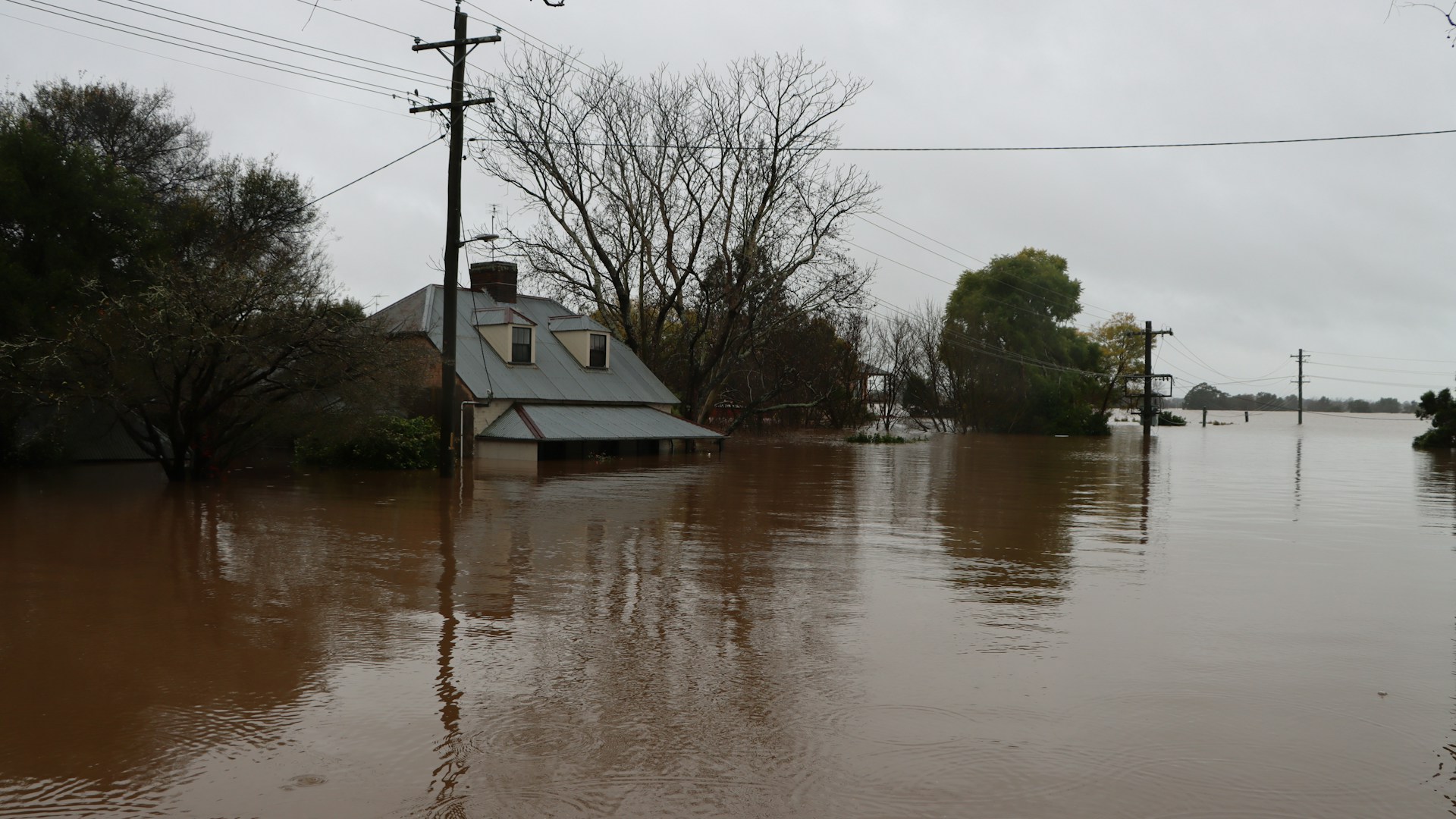
She also says officials told her that water pumped from Port St. Lucie added to the flooding. Her story, told to WPBF 25 News a week after the storm, shows how a home outside a flood zone can still be wiped out.
A 100- To 200-Year Rain Event Overwhelmed Local Drainage
The trouble began with an intense rainfall between November 1 and 3, 2026. The National Weather Service described it as a 100- to 200-year event across the Treasure Coast, which a summary explained means an estimated 0.5 to 1 percent chance of similar rainfall in any given year.
One location about a mile north of Jensen Beach recorded 8.05 inches. The heavy rain overwhelmed local drainage and left several residential streets underwater, and flooding forced evacuations along Hyline Drive.
County officials say more than 60 homes in the Hyline Drive and Tick Ridge neighborhoods were affected, and Martin County classified 25 of the 66 homes counted in one summary as destroyed.
“There’s Sewer Water 4 To 6 Inches High Everywhere”
French lives in the Skyline Heights neighborhood. She said the water crept toward the house on Tuesday, November 3, then began coming out of the toilets and showers, so the family left.
On Wednesday they came back and found flooding inside. “Right now, it’s like a hot box because there’s sewer water 4-6 inches high everywhere,” she said. “My floors are up.”
Her husband cut into the walls to see how far moisture had spread. She reported fecal matter floating in the house and strong odors.
“It’s like a total teardown; we had people come, and everything in there has been sewer water sitting in hot heat,” she said. A week later, she said, the home was too unsafe to enter: “It’s gross inside; we can’t go inside anymore.”
No Flood Insurance Because The Area Was Not A Flood Zone
French said neither she nor her neighbors had flood insurance, because the area is not designated as a flood zone. A related summary notes that most homeowners policies exclude flood damage.
She worries she could lose the home and not host Thanksgiving or do Christmas for her boys. “The first thing you think of is Thanksgiving is coming up; we’re supposed to host Thanksgiving. Then I’m supposed to do Christmas for my boys, and we don’t have a home… It’s just hard.”
“They’re Pumping Us And The Savannas At The Same Time”
The neighborhood sits near the Savannas Preserve, where water naturally flows south when surrounding land is oversaturated. French said officials explained that flooding in her area was caused by water pumped into the preserve from Port St. Lucie.
“We’re at level with the Savannas,” she said. “They’re pumping us and the Savannas at the same time.”
County officials say Port St. Lucie pumped thousands of gallons into Savannas Preserve State Park on November 2, and Martin County officials say stormwater discharged from Port St. Lucie contributed to the flooding.
Port St. Lucie says its discharge stayed below the amount permitted by the South Florida Water Management District, and that it voluntarily stopped discharging into the Blackwell Reservoir on the morning of November 3. City spokesperson Scott Samples also pointed to chances for regional cooperation to reduce similar problems.
Residents Took Their Frustration To County Leaders
On Sunday, November 8, frustrated residents took their concerns to county leaders. District 1 Commissioner Eileen Vargas said: “Habitat for Humanity is working with United Way right now for a shelter… plus other help.”
Public Works official Jim Gorton said: “We are working on temporary housing… stay tuned next week. Make sure you have your contact information out there.”
As of November 10, four pumps were moving water into Warner Creek, Lake Pitchford and nearby wetlands. County crews are working on flooding concerns and evaluating whether local watersheds can handle floodwater.
The county opened a Multi-Agency Resource Center at Hoke Library, 1150 NW Jack Williams Way, with recovery information, help applying for financial assistance and cleaning supplies. Per a November 12 update it operates Wednesday through Saturday, 7 a.m. to 7 p.m., until further notice, and residents should check the county’s recovery page for current hours.
“My Goal Is To Keep This Property”
French says emergency services, resources and local and federal leaders have been reaching out. “A lot of these neighbors have become our family, like our close family, and my goal is to keep this property and live on this property. Make sure this doesn’t happen again.”
What Homeowners Outside Flood Zones Should Do Now
This story shows that a home outside a mapped flood zone can still flood badly, and that people there often carry no flood policy. Standard homeowners policies usually exclude flood damage, so read yours closely and ask your agent about separate flood coverage.
Ask about sewer or water backup coverage too, which is sometimes sold as an add-on. Flood policies typically carry a waiting period before they take effect, so the time to buy is before the storm, not during it.
If your home is damaged, photograph everything before cleanup, keep receipts and call your insurer and local emergency management office. After sewage floods a home, keep out of the water and leave cleanup to professionals, since contaminated water is a health hazard.
More Stories You May Like
- HVAC Tech Says Check The Thermostat Batteries, A Water Filled Pan Under The Furnace And A Dirty Filter Before You Pay For A Service Call, Because It May Be A Frozen Drain
- Late Fall Yard Checklist From A University Horticulturist Says Mulch Roses 6 To 10 Inches Deep And Never Pile Mulch Against Tree Trunks
- Raleigh Homeowner Who Paid $1,900 For Off-Duty Officers Was Told His Halloween House Needs A Special Event Permit And Says My House Is Not A Special Event
Leave a Reply