Every Halloween, thousands of kids and parents pack the streets around Oakwood Avenue and East Street in Raleigh to see one very decorated house. This year, the man behind it learned that his front yard fun had come to the attention of City Hall.
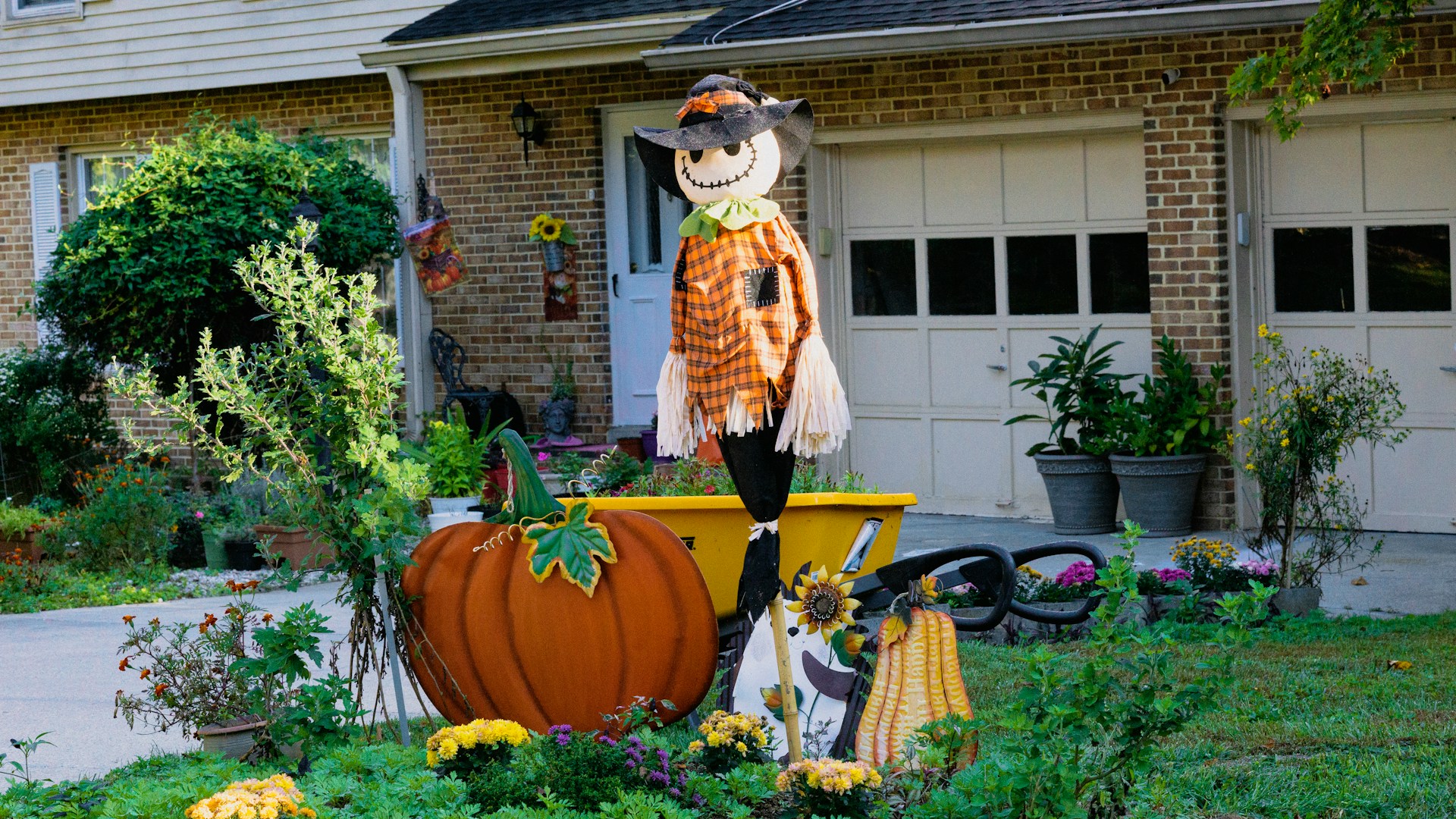
Jesse Jones runs what the neighborhood calls the Halloween house. In November 2025, the city told him he would need a special event permit for 2026, and he did not think it fit.
“My house is not a special event,” he told the city council at its Oct. 13 meeting. Here is how a yard full of ghosts ended up in a permit fight, as laid out in reporting on the council meeting.
From A $50 Block Party Permit To A Special Event Application
In earlier years, Jones paid $50 for a block party permit and hired off-duty police officers for three hours. That was the setup for a night when a quiet street turns into a parade of costumes.
The new application told a different story. It estimated more than 5,000 attendees and five closed blocks, numbers that make the night look more like a festival than a block party.
Jones puts the crowd at nearly 6,000 trick-or-treaters last year. That is a lot of capes, masks and flashlights on one stretch of street, and it is why the city looked at the night differently.
The city also pointed to flyers in other neighborhoods and costume contests that were not tied to him. Those added to the picture of a large public event, but Jones says they have nothing to do with his house.
“Just A Highly Decorated House” Says The Man Who Paid $1,900 For Police
At the council meeting, Jones argued that he is not running an event at all. He called his place “just a highly decorated house,” an attraction that people choose to walk past, not a ticketed show.
He has also put money where his mouth is. He paid $1,900 for two off-duty officers, whose shifts ended at 9 p.m., so that traffic and crowds were managed on the street.
That is a large bill for a neighborhood tradition, and it is the kind of cost that makes people wonder how long a night like this can last.
His position is easy to understand. A homeowner decorates a house, and the neighbors show up. When does a front yard become an event that needs a permit, insurance and a plan?
He Got The Permit, With Insurance, Officers And A Cleanup Plan
In the end, Jones got the permit. To do it, he put together insurance, hired off-duty officers with workers’ compensation coverage, and wrote a simple cleanup plan.
The city did not require some of the things a big festival might need. There is no requirement for on-site emergency medical staff, weather spotters, portable restrooms or a formal trash plan.
That is a meaningful difference. The list of requirements stayed short, with insurance, police and a cleanup plan at the center of it.
Neighbors Say Thousands Of Families Come And It Costs The City Nothing
Resident Matthew Brown spoke up for the house. He pointed out that thousands of families come to the street each year, and that it costs the city nothing.
For many people, that is the heart of the matter. A free, family-friendly night brings neighbors together, draws visitors to a historic neighborhood and creates the kind of memory kids hold onto for years.
At the same time, large crowds are real. Streets full of children in dark costumes, parked cars and long lines raise obvious safety questions, and cities are expected to think about them.
Jones’s experience also shows how quickly a hobby can turn into a project. A few extra lights one year, a few more decorations the next, and soon the whole city is paying attention.
That is not a bad thing. It simply means that homeowners who love the holiday should expect more paperwork as their crowds grow.
Where The Line Falls Between A Decorated House And An Event
Cities use special event permits to help plan for crowds, traffic, emergency access and cleanup. The idea is to make sure that when thousands of people gather, someone has thought about the details.
The trouble comes when a tradition grows slowly, one decoration at a time, until it outgrows its original size. No one planned an event. The crowd simply kept getting bigger.
It also helps to keep records. Save receipts for officers, insurance and cleanup supplies, because those numbers show a city exactly how seriously you take the night.
If your own house draws a crowd, a few steps can help. Talk with neighbors early, share your plans with the city before the holiday, and ask what is required. Having insurance and a plan for lighting, trash and traffic makes everyone more comfortable.
Jones’s story shows that a good-faith conversation can reach a workable answer. He kept the night alive, the kids got their candy, and the city got its safety plan.
For this Halloween, a highly decorated house is still the biggest show in town, with a permit to match.
More Stories You May Like
- Landlord Cannot Change The Locks When A Tenant Stops Paying Rent, Lawyer Says, And A Nonpayment Eviction Still Needs 14 Days Notice And A Trip To Court
- Target Shoppers Who Paid $150 For A Gourmia Air Fryer Oven Are Told To Stop Using It After 57 Reports Of Doors Slamming Shut And 40 Burn Injuries, And A Free Doorstop Kit Is Coming
- Barndominium Builder Says Roof Tape Is Useless Unless It Gets Rolled, Because The Pressure Sensitive Adhesive Needs Heat From The Roller To Stick
Leave a Reply