The jug of drain cleaner you poured in last night is sitting in a sink of gray water, and you are out $10. That is how Roger the Pipe Guy opens his advice, and he has 45 years in the plumbing trade to back it up.
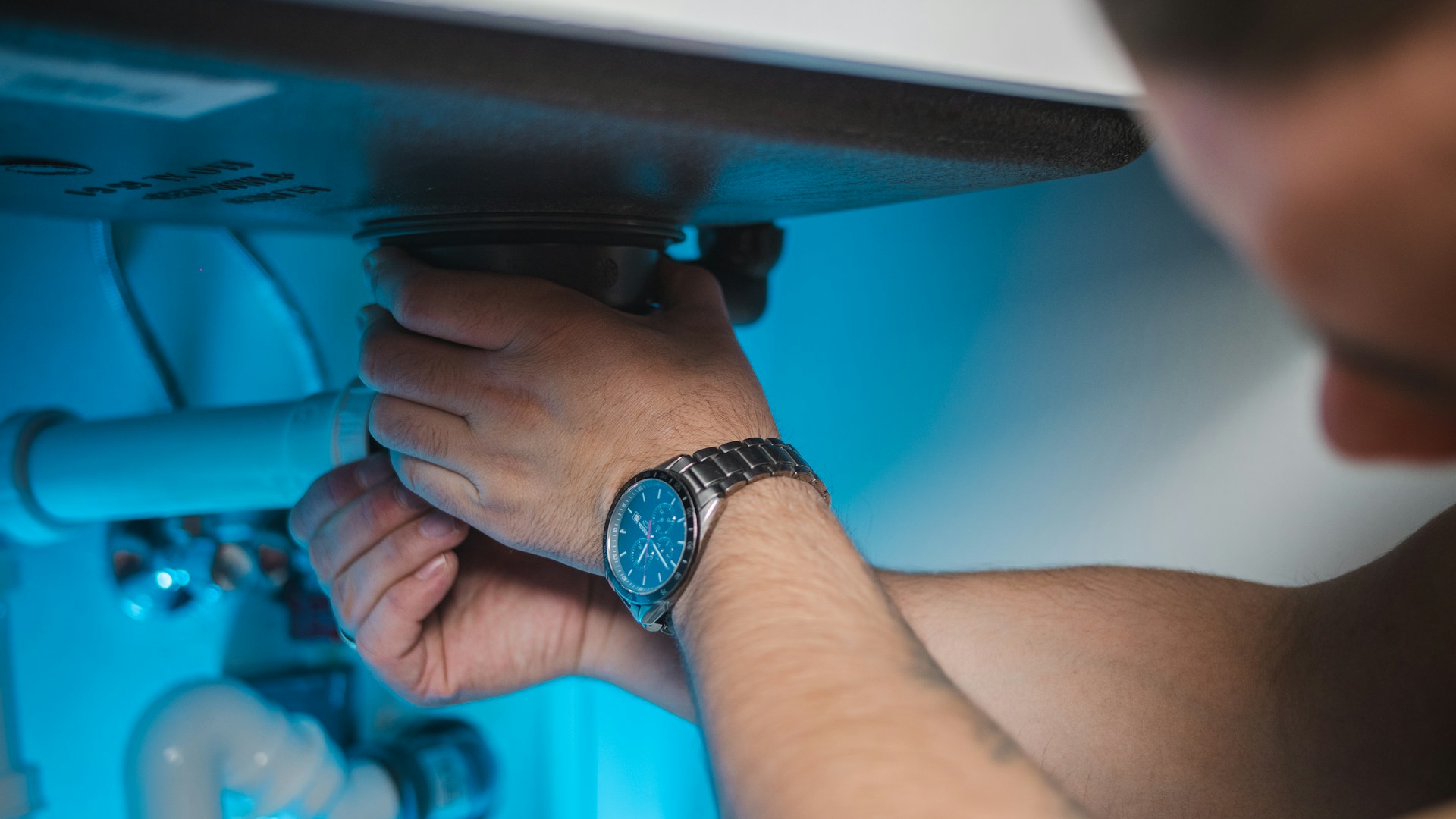
On his YouTube channel, Roger says four liquids clear every everyday clog in your house, and none of them costs more than four bucks: dish soap, hydrogen peroxide, white vinegar and washing soda.
The catch, he says, is that the clog in your kitchen and the clog in your shower are not the same clog, and no single liquid touches both.
Dish Soap And Hot Water Beat Kitchen Grease Before The Snake Comes Out
Roger says every clog he means here is the everyday soft kind. Hair wads, toys and roots get a tool or a phone call. For the kitchen, think about a Saturday bacon breakfast. You rinse the pan and the water goes down a little slower than last week. That grease did not leave. It cooled on the way down and set inside the pipe like wax on a candle holder.
Give it a year, he says, and the opening is the width of your thumb. Left alone, it sets into a line clog, and running a cable down it runs $150 to $350. If it is set hard enough to need a high-pressure jetting machine, you are into the high hundreds.
His fix is the one he says he would make you do. Pour about a quarter cup of plain dish soap straight down the drain, and the cheap blue bottle is fine. Leave it 10 to 15 minutes, because soap does to cold grease what it does to the pan. Then pour half a gallon of hot water, not boiling.
The reason is that white plastic drain pipe is only rated to about 140 degrees, and boiling water can soften a glued joint. Pour from about waist height so it lands with some force. Roger says halfway through you will hear the drain gulp, and that is the grease letting go.
The same trick works on a soft toilet clog that is paper and nothing else. Put a quarter cup of soap in the bowl, wait 15 minutes, and pour hot water slowly, again not boiling because porcelain cracks. A toy or a wipe needs a plunger, then a toilet auger if the plunger fails.
Hydrogen Peroxide Tears Apart The Slime Holding The Hair In Your Shower Drain
The bathroom is a different animal. Pull the stopper out of a bathroom sink and you will find a gray, slimy coat that stinks. That is biofilm, a mat of bacteria living in its own slime. It is sticky, so every hair that goes down lands in it and stays.
Soap and hot water slide right over it, but 3% hydrogen peroxide, the plain brown drugstore bottle that costs about a buck, tears it apart. First pull the stopper and wipe it off, then get the standing water out, because peroxide poured into a full sink gets watered down to nothing.
Pour in one cup, walk away for 30 minutes and listen for the fizz. Then flush with hot tap water. Do the shower, tub and bathroom sink the same way, and once a month after that keeps the slime from building back.
Roger is honest about the limit. Peroxide kills the slime that holds the hair, but it does not melt hair. For a wad, you need the plastic zip strip with barbs, three or four bucks at a hardware store. Push it down, pull it up, and do not look too hard at what comes out.
White Vinegar Fixes The Weak Flush And The Chalky Crust Inside Old Pipes
Next is plain white vinegar, a few bucks a gallon. This one handles scale. In a hard water house, Roger says, the inside of your drains grows a white, chalky crust, rough as a sidewalk. Soap scum sticks to the crust, hair sticks to the scum, and you have a slow drain that peroxide cleared for a week before it came right back.
A flashlight tells the two apart. Slime is gray and smears. Scale is white and scratches. Vinegar is a mild acid that eats mineral, so pour a cup down the drain and give it a full hour, then flush with hot tap water.
The first place he would use it is a toilet. If your flush is weak, swirling and takes two tries, the rim jets, the little holes under the bowl rim, may have scaled shut. Lift the tank lid and pour a cup of vinegar down the overflow tube, the one standing straight up, not into the bowl. Wait an hour and flush, and repeat if the crust is old.
He says plenty of toilets get replaced for a flush the jets caused. And a new toilet installed is a bill in the hundreds.
Never Put Vinegar And Peroxide In The Same Drain On The Same Day
This is the one rule Roger stops the video for. Together, vinegar and peroxide make a corrosive acid that is hard on pipes and on you. Do peroxide on Saturday and vinegar on Sunday, and keep vinegar anywhere away from bleach. If a toilet has a bleach tablet in the tank, skip the vinegar until the tablet is gone.
He also says that if you already poured a jug of chemical cleaner and it is still sitting there, do not add anything on top of it, and do not plunge it, because it splashes back and burns. Let it drain, however long that takes, then start with the liquid that matches the drain.
Washing Soda Tackles The Sludge And The Drain Behind Your Washing Machine
The last bottle is washing soda, not baking soda. It is sodium carbonate, the yellow box in the laundry aisle next to the borax, and it is a strong alkali that turns grease into something that rinses. Roger uses it on a kitchen line the soap only half fixed, and on the standpipe behind the washing machine that everybody forgets.
Lint, soap scum and grease from work clothes build sludge in that pipe. The early sign is water burping up out of it during the drain cycle. Ignore it, he says, and one day the washer pumps a whole tub onto your floor.
Mix half a cup of washing soda into a quart of hot tap water and stir until dissolved. Never pour it in dry, because the powder can set like plaster in the trap. Wear gloves, since it can dry your skin raw. Pour the quart slowly, let it sit an hour or overnight, then chase it with hot water. Do the standpipe the same way with the washer off.
A box gives a dozen or so pours, about 40 cents each by his math. He contrasts that with a jetted kitchen line at $350 to $800. Washing soda works on grease and sludge and nothing else, so a sock in the standpipe or a wipe in the kitchen line needs a different fix.
A Dollar A Bottle Versus $10 For The Jug Versus $300 For The Visit
So which bottle goes where? The kitchen sink gets soap and a kettle first, and washing soda if that only half works. The bathroom sink, tub and shower get peroxide and the zip strip. The toilet gets soap for a paper clog and vinegar down the overflow tube for a weak flush. The laundry standpipe gets washing soda.
It comes down to a dollar a bottle against $10 for the jug against $300 for the visit, for the same clog. The bottle does not charge extra on a Sunday and does not eat your pipes on the way down.
Roger also says where to stop. If two drains back up at the same time, or the toilet gurgles when the tub drains, that is not a clog in one drain. That is the main line, and in an old house with a tree out front, it is often roots. No liquid touches roots, so make that call without arguing.
Tonight, he says, pull the stopper out of your bathroom sink and look at it. That is the whole decision sitting in your hand.
More Stories You May Like
- Widow Who Bought Her Home 63 Years Ago Says A Neighbor’s Junk Pile And Leaning Fence Are Blocking Her Side Gate, And Code Enforcement Says All It Can Do Is Send Citations
- Gardener Of 20 Years Has Not Fertilized Her Border In Years, Waters A Handful Of Times In Summer, And Says Number One Plant Survives Being Thrown From A Car Window
- Buyers Told Nobody Was Living There Show Up With Police To Change The Locks On Their New House, Then Reach A Woman Who Says She Has Lived There For 12 Years
Leave a Reply