“I ruined my home to protect yours.” That is the dramatic opening from designer Kiva Brent, who admits she may not be a renter herself but is horribly indecisive, so she likes everything she does at home to be removable.
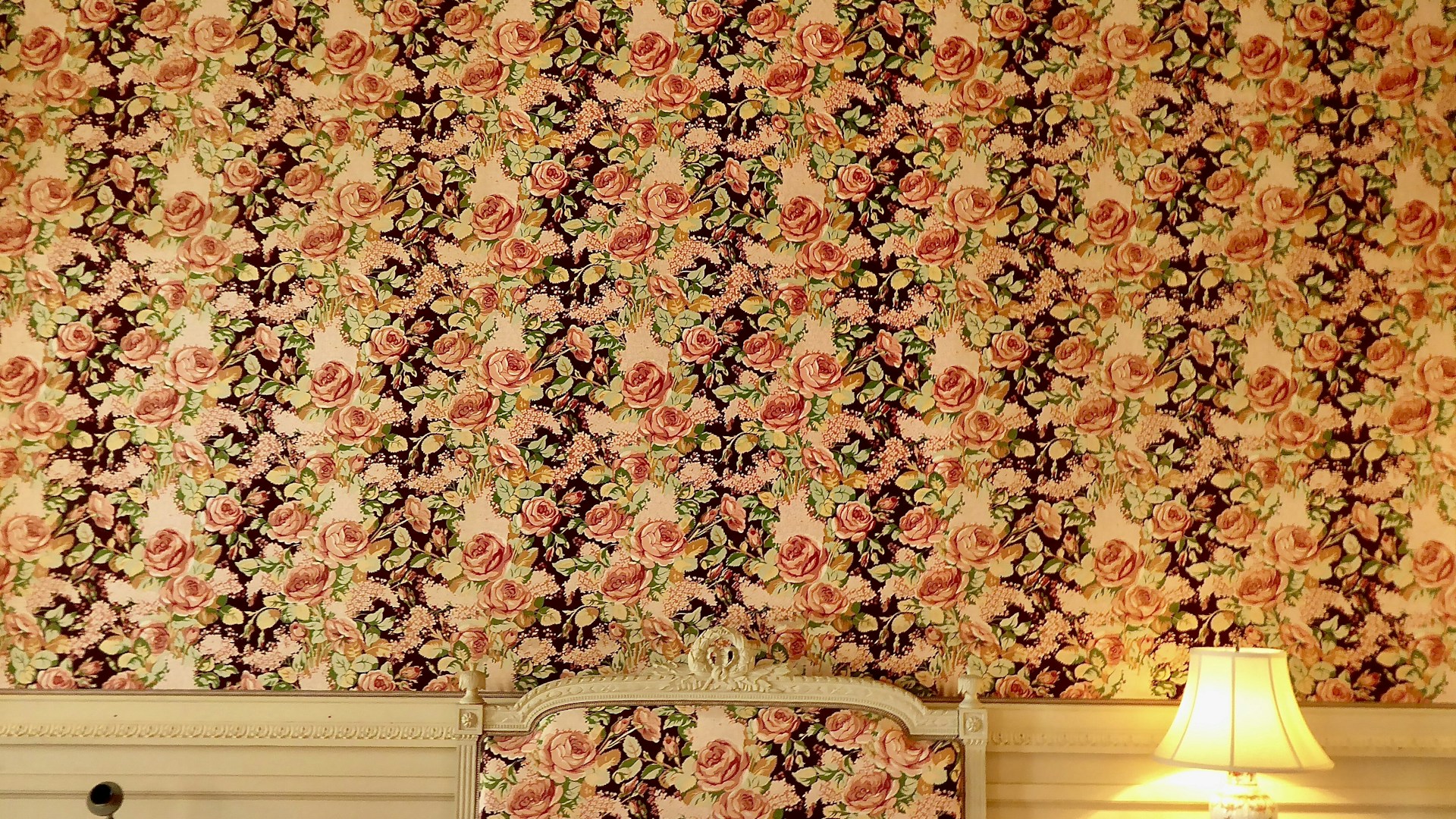
On her Kiva Brent channel, she rated every renter-friendly hack she has tried, with scores out of 10. Some will disappoint you, she warns. And one of the most popular products on the internet cost her a professional repair bill.
That product is peel-and-stick wall tile, and it is not the only surprise.
Smart Tiles Destroyed Her Wall So Badly She Had To Call A Professional
Brent says she has nothing against Smart Tiles as a product. They are cute. But they are not renter-friendly at all, even though people keep sharing them that way. You have to do a lot of wall prep and have the perfect wall for them to work.
Used on their own, she says, they totally destroyed her wall. The damage was so bad that she could not even repair it herself. She had to bring in a professional, and it cost her, in her words, an arm and a leg.
She admits her wall had been painted recently, so part of it was her fault, but she says she has seen the same thing in places that were not freshly painted. Her rating: 3 out of 10. They are pricey, sometimes the same price as real tile, and they can still damage your wall.
Peel And Stick Wallpaper Earns An 8 Out Of 10, With One Big Rule
Removable peel-and-stick wallpaper is another story. Brent calls it high quality and super easy to work with, and she gives it 8 out of 10. She says she has used it in plenty of client spaces and would use it again in a home she owns.
Her one caution is that quality varies, even within the same brand. Some lines gave her no problems, while others peeled paint off the walls. She had almost no paint come off in her old powder room, except where the paint was very fresh.
That leads to the rule most people skip. You are supposed to wait about 7 to 10 days after painting before putting wallpaper over it. She also had one client whose home was so humid that the paper started to peel a bit.
The Trick That Let Her Peel Off The Tiles In 10 Minutes And Get Every Cent Of Her Deposit Back
Here is the twist. Brent found a hack online: put removable vinyl behind any peel-and-stick item. She tried it in a short-term rental, where she wanted some personality but also wanted her security deposit back while saving for a house.
She put the vinyl on first, even wrapping it around a round column, which she says is awful to do. Then she put the tiles on top. There was not a lick of damage, not one speck of paint peeled up, and she got every cent of her deposit back.
The tiles came off in about 10 minutes, though it took her roughly 4 days to put them up. She says she saw the idea in passing on social media, so she cannot take credit, but it was a game changer.
Her bigger point is worth remembering. Fear of damage holds people back from getting comfortable in rentals, and people rent for many years. A space that feels like home, she says, makes you feel more comfortable, motivated and creative.
Contact Paper Is Not Wallpaper, And One Roll Took Two People Two Hours To Remove
Brent also warns that contact paper and peel-and-stick wallpaper are not the same. Wallpaper can in theory be removed and repositioned. Contact paper gives you no room to reposition it.
She tried a green marble contact paper on her kitchen counters. For looks, she gives it 10 out of 10, calling it the most realistic faux marble she has ever seen, and it held up when she dropped things on it. But it was so thick that she could not get the seams crisp and flat, and water seeped underneath, which she found gross. It took two people about 2 hours to peel off, and she rates it 3.7 out of 10.
A travertine contact paper did better. It looks and feels like real stone, and she even fooled her spouse. It earns 6.5 out of 10 because the narrow roll leaves visible seams, so it works on a small side table but not a whole coffee table. At about $10 a roll, she says, you may need a few rolls once you make mistakes. She would not use it on her walls.
Command Strips Get A 100 Out Of 10 If You Pull Straight Down
Lighting is another renter-friendly area. Brent likes USB-rechargeable peel-and-stick stair lights that hold a phenomenal charge and work on walls and corners too. She also likes rechargeable light bars for under cabinets, and Bluetooth light switches that turn plug-in lamps into switch-controlled ones without any electrical work. She gives the switches 9 out of 10.
Her biggest fan score goes to Command strips, which she rates 100 out of 10. The problem, she says, is that people do not follow the directions. To remove one, hold the top and pull straight down, not out. Use them for the weight listed and space them correctly, and she says you will not damage your wall. She hung everything in her last house with them and got her full security deposit back.
She also loves tension Roman shades, which give a sleek, blackout look and install in seconds, since tension curtain rods can only hold so much weight. And for a cheaper option, she found peel-and-stick shades at $5 a piece that she put in her garage.
What Renters Can Take From Her Wins And Wrecks
Her advice comes down to three habits. Wait for fresh paint to cure before sticking anything to it. Put a removable layer behind anything that is meant to come off. And read the directions on every product, since the removal step is usually where the damage happens.
Before you start a project, check your lease and ask your landlord what is allowed. Test any product on a small, hidden patch first, and take photos of the walls before and after. That way you have a record when it is time to ask for your deposit back.
More Stories You May Like
- Dad And Sons Offer Free Lawn Care To A Homeowner Who Says He Has No Money, Then Come Back The Next Day To Redo His Even Worse Backyard While He Is At Work
- Nurse And Single Mom Of Three Gets An $896 Water Bill After A Smart Meter Swap, Then The City Cuts It To $244.90 The Day After A TV Station Called
- Tennessee Couple Spent Nearly 30 Years Mowing, Gardening And Holding Yard Sales On A Strip Beside Their Home, Then An Appeals Court Hands The Land To The Developer And Bills Them The Costs
Leave a Reply