Every fall, most of us rake the leaves, mow one last time and leave the lawn alone until spring. Then in April we spend $100 or more on weed and feed, seed and green-up bags, and by July the grass is thin and the clover is back.
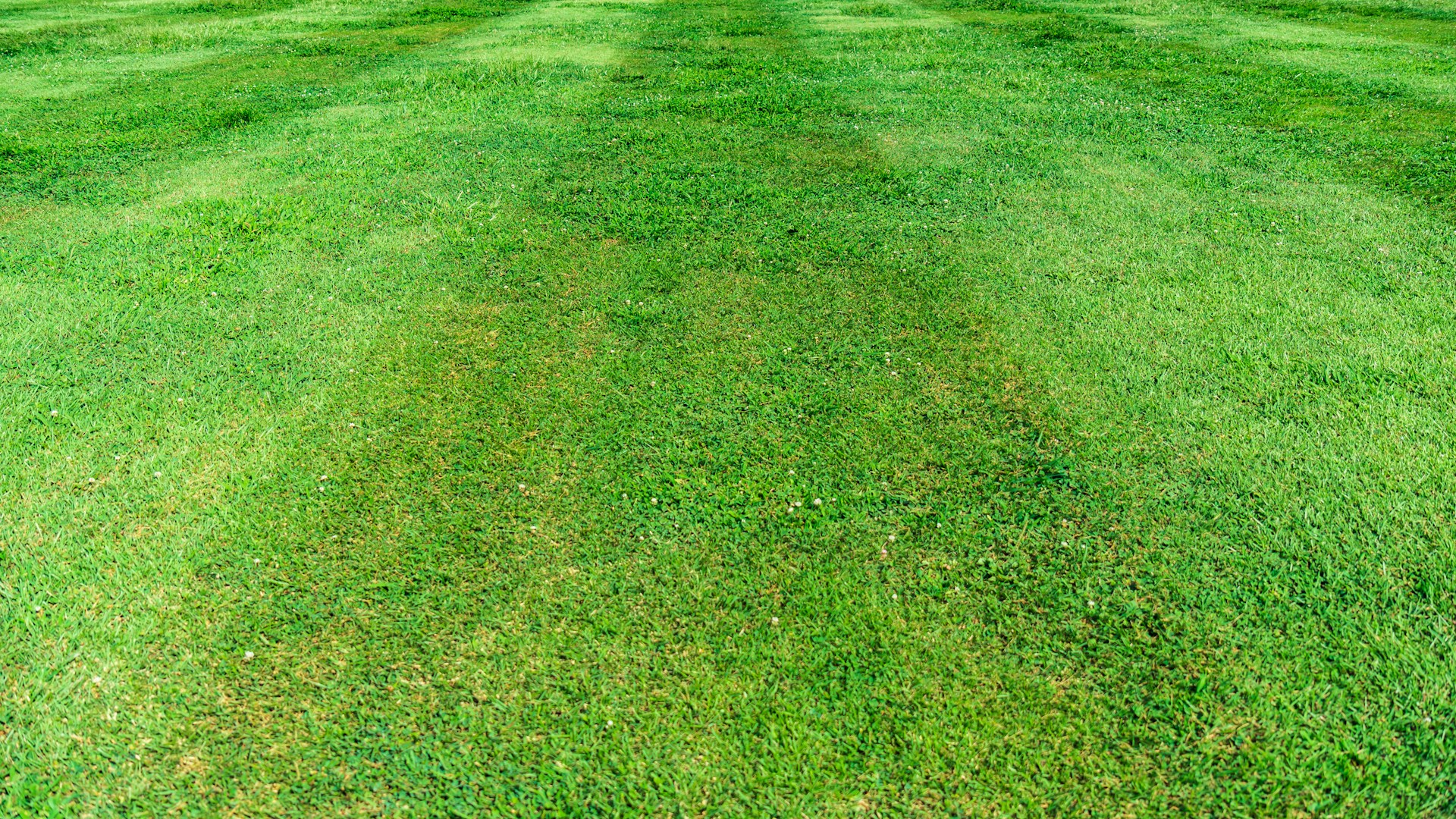
Lawn coach Larry of Lawncare Larry says that is not really your fault, because the stores stack those bags by the front door every spring. But grass from the middle of the country north does its best root building in the fall, he says, and golf course groundskeepers know it.
He lays out three things those groundskeepers do every fall, and he promises a lawn that turns a deep green within a day or two and comes back thick without the cart full of spring bags.
Rent The Plug Puller For About $100 A Day And Make Your Lawn Look Like Spilled Cigars
The first job is pulling plugs, which the pros call core aeration. Larry says do it in early fall: late August to mid-September in the north, and into early October in the middle states. You want the grass still growing hard so it heals the holes in a couple of weeks.
A core aerator rents from a rental yard for about $100 a day. Its hollow tubes each pull a plug of soil about as thick as your finger and 2 to 3 inches long.
The day before, water the lawn about an inch or wait for a good soaking rain, because dry ground throws the tubes right back out. Push a long screwdriver into the lawn, and it should slide in 3 or 4 inches without a fight. Flag every sprinkler head and any buried dog fence wire so the tubes miss them.
Go over the lawn twice, the second time crosswise, and make a third pass wherever the ground is hardest, like along the driveway and the path to the shed. You are aiming for a hole every 2 to 4 inches, so the lawn looks like somebody spilled a box of little cigars on it. Leave the plugs where they fall, because rain and the sprinkler break them down in a week or two.
Why Packed Soil Browns Out First And Invites Plantain And Knotweed
Every footstep and mower pass, especially on wet ground, packs the soil a little tighter until the tiny air spaces are squeezed shut. Roots need air as much as water. In packed soil, Larry says, they stay near the surface and water runs off instead of soaking in, which is why a packed lawn is the first to brown in August.
Packed soil is also where plantain and knotweed move in, because those weeds handle hard ground that grass cannot. Each hole lets air, water and fertilizer straight down to the roots, and new white roots chase that air downward.
If your plugs come out shorter than an inch, the ground is still too hard, so water again and make another pass the next day. He says to skip spike shoes and spike rollers, because a solid spike shoves the soil sideways and packs the walls of the hole even tighter.
Fill The Fresh Holes With Seed The Same Afternoon
The second job is filling the holes with seed the very same afternoon, while they are wide open. Groundskeepers run the seeder right behind the aerator, and so should you. Count back about 45 days from your area’s usual first frost and get the seed down before that date.
If you can, mow a notch lower, to about 2 inches, before you aerate, and bag the clippings so the seed reaches dirt. Buy seed that matches your grass, which for most yards is tall fescue, Kentucky bluegrass or a blend. Tall fescue goes down at about 4 pounds per 1,000 square feet, while bluegrass seed is so tiny you need only about a pound to a pound and a half.
Spread half the seed one way and half crosswise so you do not leave stripes. Then add a starter fertilizer the same day, at the rate on its bag.
This is where most fall seeding fails, he says, so mind the water. Keep the top half inch of soil damp with a light sprinkle once or twice a day, and three times on hot, windy days. Tall fescue pokes up in one to two weeks, and bluegrass can take three, so be patient.
In fall, the soil is still warm, so seed sprouts fast while the cooler air keeps young grass from cooking. Crabgrass is done sprouting for the year, so the new grass gets the whole fall and spring to put down roots before summer heat. Once it is 3 or 4 inches tall, mow with a sharp blade and switch to a deeper soaking about once a week.
What The Bag Won’t Tell You And A Warning About Weed Spray
Turn your seed bag over and look for a line that says coating. On some coated bags, Larry says, close to half the weight is coating, so a 20 pound bag can hold about 10 pounds of real seed. Also look for annual ryegrass, which sprouts fast, looks great for a season and then dies. He suggests plain uncoated seed with named varieties of fescue or bluegrass on the tag.
One warning: most broadleaf weed killers tell you to wait about a month before seeding, and some longer. Weed and feed carries the same kind of weed killer, so it waits too. And keep crabgrass preventer off the seed, because it stops grass seed the same way it stops crabgrass.
A Pinch Of Iron Turns The Grass Deep Blue Green Overnight
The third job is the one that gives the fast color. Groundskeepers feed in the fall, and the late feeding is the one most homeowners skip. It goes down around your last mowing, when grass is still green but has nearly stopped growing, which is late October into November in most northern yards.
The target is about a pound of nitrogen per 1,000 square feet. Divide 100 by the first number on the bag to see how many pounds of the bag go on. A bag marked 24 comes to about 4 pounds, while plain urea at 46, the fast-acting kind pros like for this feeding, is a little over 2 pounds, watered in lightly.
Larry warns that in some states, like New Jersey and Maryland, homeowners cannot put nitrogen on the lawn after November 15, so check your state’s rules.
Then comes the fast green: iron. Grass needs iron to build color in its leaves, and when you spray it on the blades, they darken fast without a burst of growth to mow. He says to stir about 2 ounces of iron sulfate into 2 gallons of water in a pump sprayer, which covers about 1,000 square feet.
Spray on a calm, dry day while the grass is still growing, keep it off driveways and stone because iron leaves an orange stain, wear gloves and keep pets and grandkids off until it dries. More is not better, since a heavy dose turns blades gray or black. By the next morning or the one after, he says, the lawn takes on a deep blue-green you can see from the street.
The Honest Limits Before You Rent That Machine
These jobs are timed for cool-season grasses such as fescue, bluegrass and perennial rye, which cover most yards from the middle of the country north. If your lawn is Bermuda, zoysia, St. Augustine or centipede, it is going to sleep in fall, so the work belongs in late spring and early summer.
None of it will grow grass where the shade is too deep, so under a big maple, mulch may be a better choice. And a rental aerator weighs a couple hundred pounds and pulls like a mule. If your back says no, Larry says hiring out that one job runs about $75 to $250 for most yards.
Pull the plugs, fill them with seed, and finish with iron and a late feeding, and you may be the one with the thick lawn next spring while the neighbors are still loading their carts.
Leave a Reply