When the days get short and the furnace kicks on, your houseplants feel it. Leaves droop, stems stretch toward the window, and the plant that thrived in July looks like it is sulking.
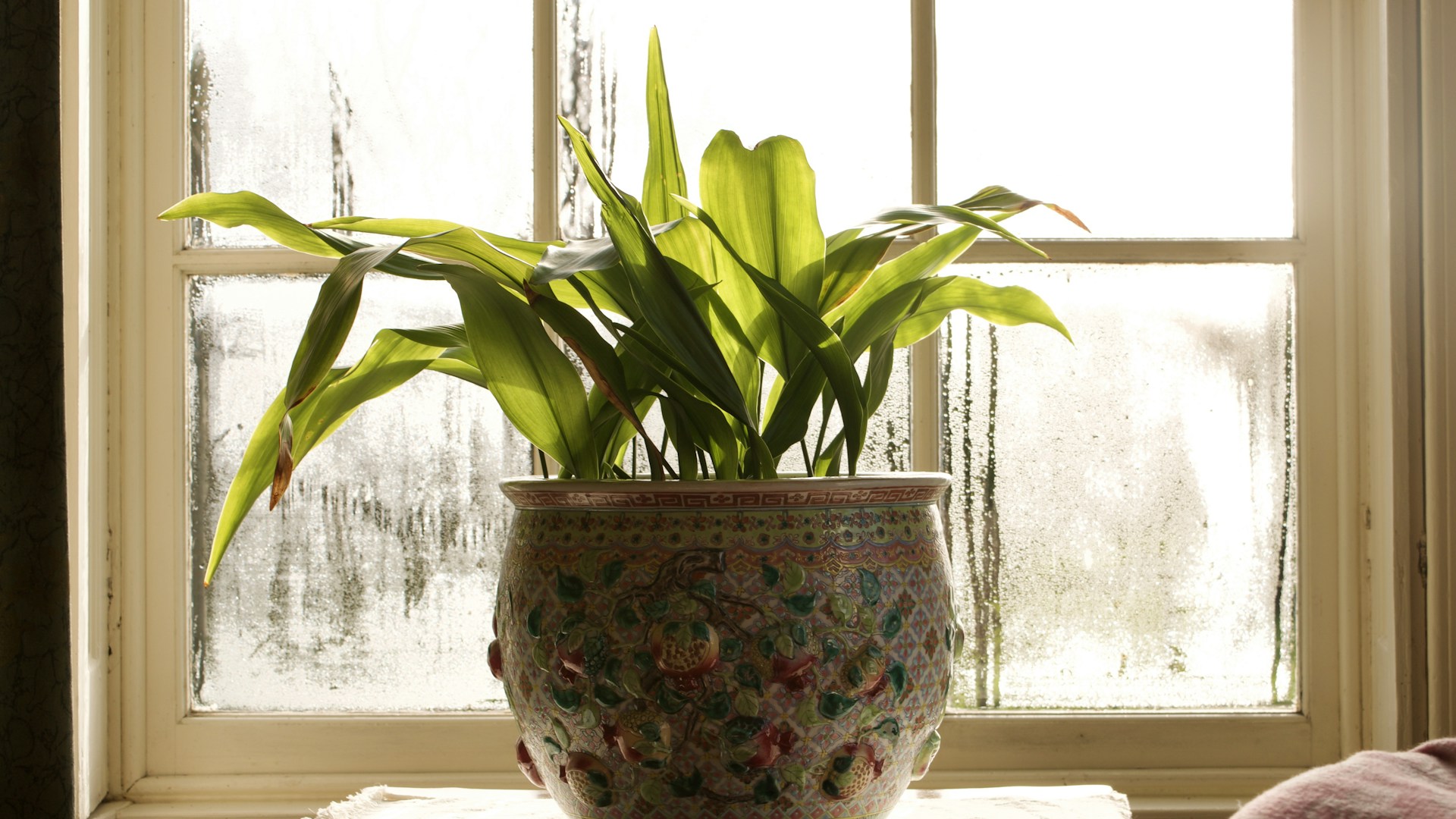
University of Minnesota Extension, in its February 2026 winter houseplant tips, covers humidity, light, pests and repotting. Here are six things to avoid, drawn from that guidance.
None needs a green thumb. They only need a little attention while the snow flies.
Think of winter as the season when your plants need a different kind of care, not necessarily more of it. A few thoughtful changes beat a lot of fussing.
Never Ignore The Dry Winter Air
University of Minnesota Extension suggests setting plants on a saucer of clay pebbles and water, keeping the water level below the top of the pebbles. As the water evaporates, it adds moisture to the air around the plant.
The extension also suggests grouping plants together to create a mini-greenhouse effect, or placing humidity-loving plants in a terrarium. Ferns, carnivorous plants and Norfolk pine are the examples it gives of plants that like humidity.
If the air in your home stays dry, the extension says to choose plants that do not need humid conditions. Matching the plant to the room is easier than fighting the furnace.
Many homes run the heat for months, so this fix is worth setting up once. A pebble tray costs only a few dollars and sits quietly out of the way.
Never Let Your Plants Stretch For Light
The extension says that if plants bend toward the light, you can add an overhead lamp to reduce the stretching. Long, leaning stems are a classic sign of a plant that wants more light.
You do not need anything fancy. The extension says no special grow lights are needed: a full-spectrum source works, and LED is acceptable.
A basic lamp on a timer can be a simple fix. It also saves you from remembering to flip a switch every evening.
Place the lamp so the light falls from above and keep it a sensible distance from the leaves. Notice how the new growth looks after a couple of weeks.
Never Forget To Give The Plant A Turn
University of Minnesota Extension advises turning plants every few weeks so each side gets equal light. A plant that always faces the same direction grows lopsided as it reaches toward the glass.
Make it a habit you tie to something else. Turn the pots on the first of the month, or whenever you change the calendar.
A quarter turn is plenty. Over a few weeks, the whole plant stays fuller and more balanced.
This is also a handy moment to look over every leaf. You may catch a problem early while you are already looking closely.
Never Overlook Pests That Sneak In Over Winter
The extension lists the common indoor pests as spider mites, mealybugs, scale, fungus gnats and whiteflies. It says to catch infestations early and to quarantine new plants until you are sure they are pest-free.
That second tip is the one most of us skip. A gorgeous plant from the garden center belongs in its own spot for a while before it joins the rest of the family.
Look under leaves and along stems when you check. Pests like to hide where you do not usually look.
The good news from the extension is that most common pests can be treated with off-the-shelf products. The earlier you spot trouble, the easier it is to handle.
A weekly look while you water or dust can turn into a habit that pays off all winter.
Never Jump To A Much Bigger Pot
When a plant looks cramped, it is tempting to give it a big new home. The extension advises moving up no more than 2 to 3 inches in diameter, and it warns that oversized containers can cause root rot.
It lists signs that a plant needs repotting: water drains quickly through the bottom because roots fill the pot, the plant is top-heavy and tips over easily, roots grow out of the top or bottom, or the container cracks from root pressure.
The extension adds that fresh soil, not a larger pot, may be what a slow-growing or rarely watered plant needs. Signs include stunted growth, poor water absorption and fertilizer that does not work.
Never Use A Pot Without A Drainage Hole
University of Minnesota Extension says to use a container with a drainage hole to prevent root rot. A pretty pot with no hole at the bottom can trap water around the roots.
If you love a decorative container, the plain plastic pot can sit inside it. You get the look without the soggy bottom.
Lift the plastic pot out when you want to check how the roots are doing. It is also easy to take it out when you need to drain the outer container.
The extension notes that repotting can happen any time of year, usually when a plant is first bought or has outgrown its container. Winter is fine if the plant needs it.
Check your plants this weekend, and pick the one that looks the least happy. Fix one thing, such as more light, a humidity tray or a better pot, and you will see the difference.
A few small changes now can carry your plants right through to spring. They will thank you with fresh green growth.
More Stories You May Like
- Heating With Gas Or Propane This Winter Should Cost Less But Electric Heat Is Expected To Cost More And Heating Oil Prices Are Forecast Up About 21%
- Homeowners Who Do Their Own Electrical Work Can Void Their Insurance Or Start A Fire So Know What To Leave To A Licensed Electrician
- Plugging A Space Heater Into An Extension Cord Is A Risky Winter Habit So Plug It Straight Into The Wall And Never Leave It Running Unattended
Leave a Reply