The phone call every plumber gets sooner or later: the main shut-off valve will not shut off. Plumber @mrvex_onyt got that call from a homeowner who said he had been spinning the handle for 10 minutes while the water kept running.
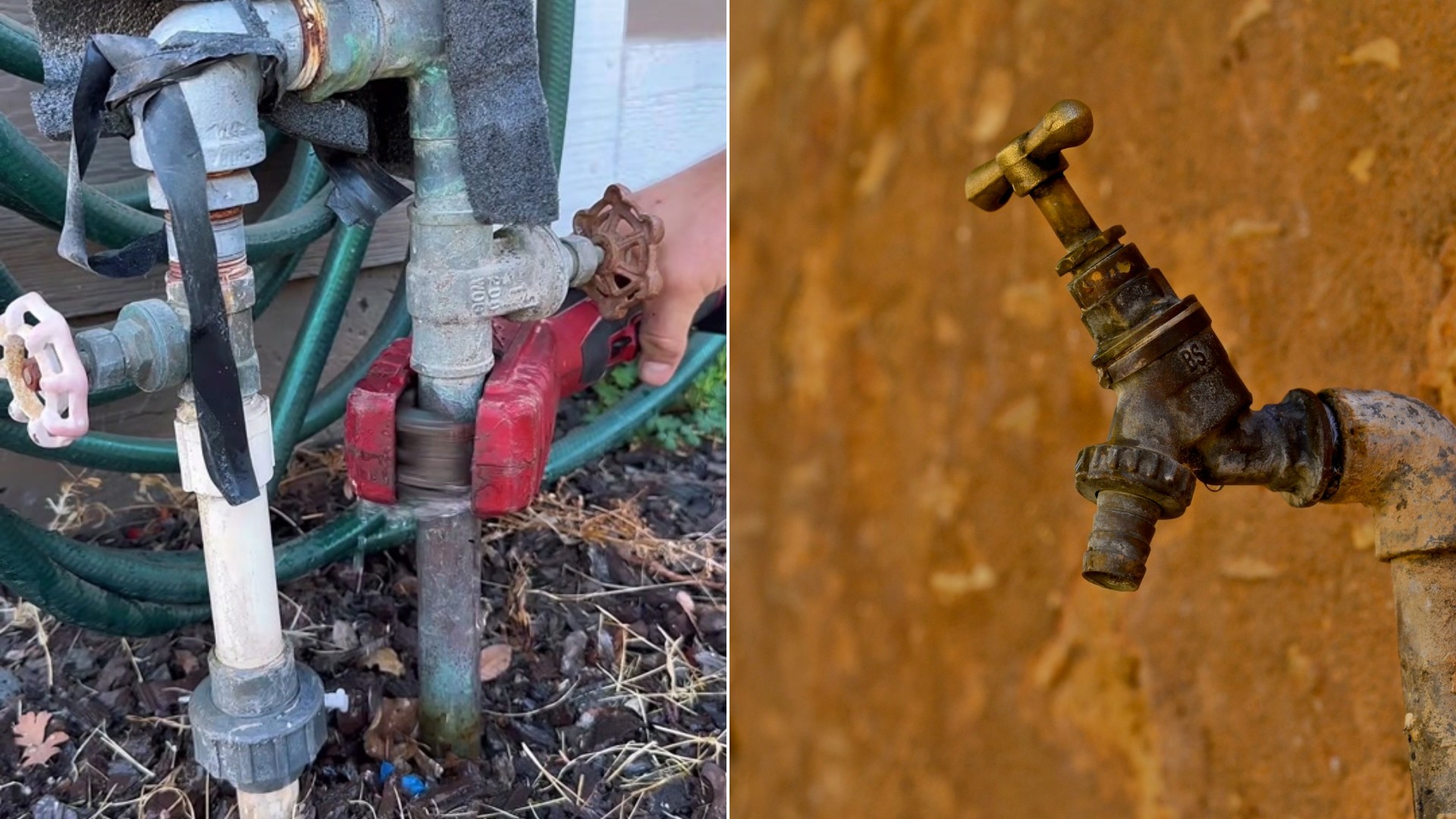
The plumber’s verdict was swift. That valve, he says, is “a gate valve from the Reagan administration,” and it “retired years ago, it just never told you.”
@mrvex_onyt
A Mummy On A Budget: Foam And Electrical Tape Everywhere
When the plumber arrived, he found the whole setup wrapped in foam and electrical tape, “like a mummy on a budget.” It is the sort of improvised fix that homeowners reach for when a part has been giving them trouble for years.
The homeowner had a suggestion ready. “Can’t you just spray some WD-40 on it?” The plumber’s reply was classic: this is not a squeaky door.
“That Valve Needs A Funeral, Not A Lubricant”
The plumber was firm. An old gate valve that will not close has run out of road, and a can of spray lubricant is not going to bring it back. In his words, “That valve needs a funeral, not a lubricant.”
So he got to work, and the repair he describes is a nice lesson in how a pro handles a main shut-off replacement.
Kill The Water At The Street, Then Cut Below The Valve
Because the home’s own valve would not stop the flow, he shut off the water at the street. Then he cut the pipe right under the valve and let the line drain.
Next came a trick that protects the rest of the plumbing. He wrapped a wet rag around the tee so he would not “cook the other joints,” then sweated the old valve off the copper.
A Press Fitting Instead Of Solder
With the old part out, he cleaned the copper “till it shines,” marked his depth, and slid in a new ball valve. He did not solder this one. Instead, he used a press fitting, because he did not want to set the man’s hose collection on fire.
The press itself was quick. One squeeze at the top, one at the bottom, and the job was done.
“Quarter Turn And The Water Actually Stops”
Then came the payoff. A ball valve works with a quarter turn, and the water actually stopped. The plumber calls it a “crazy concept,” and anyone who has wrestled with an old gate valve will understand why.
He also installed a new hose bib at the top, since the old one was “hanging on by a prayer.” It was a small upgrade that probably saved the homeowner a second call.
The Electrical Tape Stays With The Plumber
The final line may be the best. The plumber told the homeowner the foam could go back on, but “the electrical tape stays with me, that’s evidence.”
It is a fun ending to a story that could have been a stressful day for any homeowner with a running leak and a valve that will not turn.
Why Gate Valves Fail And Ball Valves Last
A gate valve uses a wedge-shaped gate that you raise and lower by turning a handle many times. Over the years, mineral buildup and corrosion can keep that gate from seating, and the stem can seize from lack of use. A ball valve, on the other hand, uses a ball with a hole through it, so a simple quarter turn opens or closes the flow.
Many plumbers prefer ball valves for main shut-offs because they are easier to operate and usually more dependable over time. That is general plumbing knowledge, and it is the reason the plumber swapped one for the other.
The press fitting is worth a word of its own. Pressing joins copper with a tool that crimps a sealed fitting, which means no open flame near framing, insulation or the old foam wrapped around the pipes. That is why many plumbers reach for it in tight spaces where a torch could cause trouble.
It also explains the wet rag trick. Heat travels along copper, and a damp cloth near a joint keeps the neighboring connections from loosening while the old valve comes off.
What Every Homeowner Should Know About Their Shut-Off Valve
- Find your main shut-off valve before you need it. Know where it is and who in the house can reach it.
- Test it gently. Turn it a bit to see if it moves, and if it is stiff or leaks around the handle, call a licensed plumber before you need it in an emergency.
- Do not force a stuck valve. Cranking on a stubborn handle can break the stem and leave you with a bigger problem.
- Tell the family where it is. In a leak, every minute counts.
- Skip the spray lubricant as a cure. As the plumber said, it will not fix a worn-out valve.
Replacing a main shut-off involves cutting and joining pipe, so it is usually a job for a licensed professional, especially if the water must be shut off at the street. A planned replacement costs far less than a flood.
The homeowner at least learned a lesson about the valve in his basement, and the plumber got a great story and a roll of tape to prove it.
More Stories You May Like
- Couple Buys A 1920s House From Photos Without Ever Seeing It, Finds Hardwood Under The Carpet, Then Mold Forces Them To Redo The Blue Tile Bathroom
- Judge Finds Tesla Liable For Fraud On An $82,000 Solar Roof Sale After Two Sanctions For Withholding Documents, While The Homeowner’s $2.5 Million Damage Figure Is Still An Estimate And Not An Award
- HOA Agrees To Pay $200,000 After Denying A Couple’s Backyard Fence For Their Children With Special Needs, Then Each Homeowner Is Told To Pay $1,350 And 55 Neighbors Still Have Not, So The Couple Sues Again
Leave a Reply