The keys are about to change hands on a brand new house, and everything looks perfect from the driveway. Then an inspector starts opening panels and crouching down at floor level, and the list of problems begins to grow.
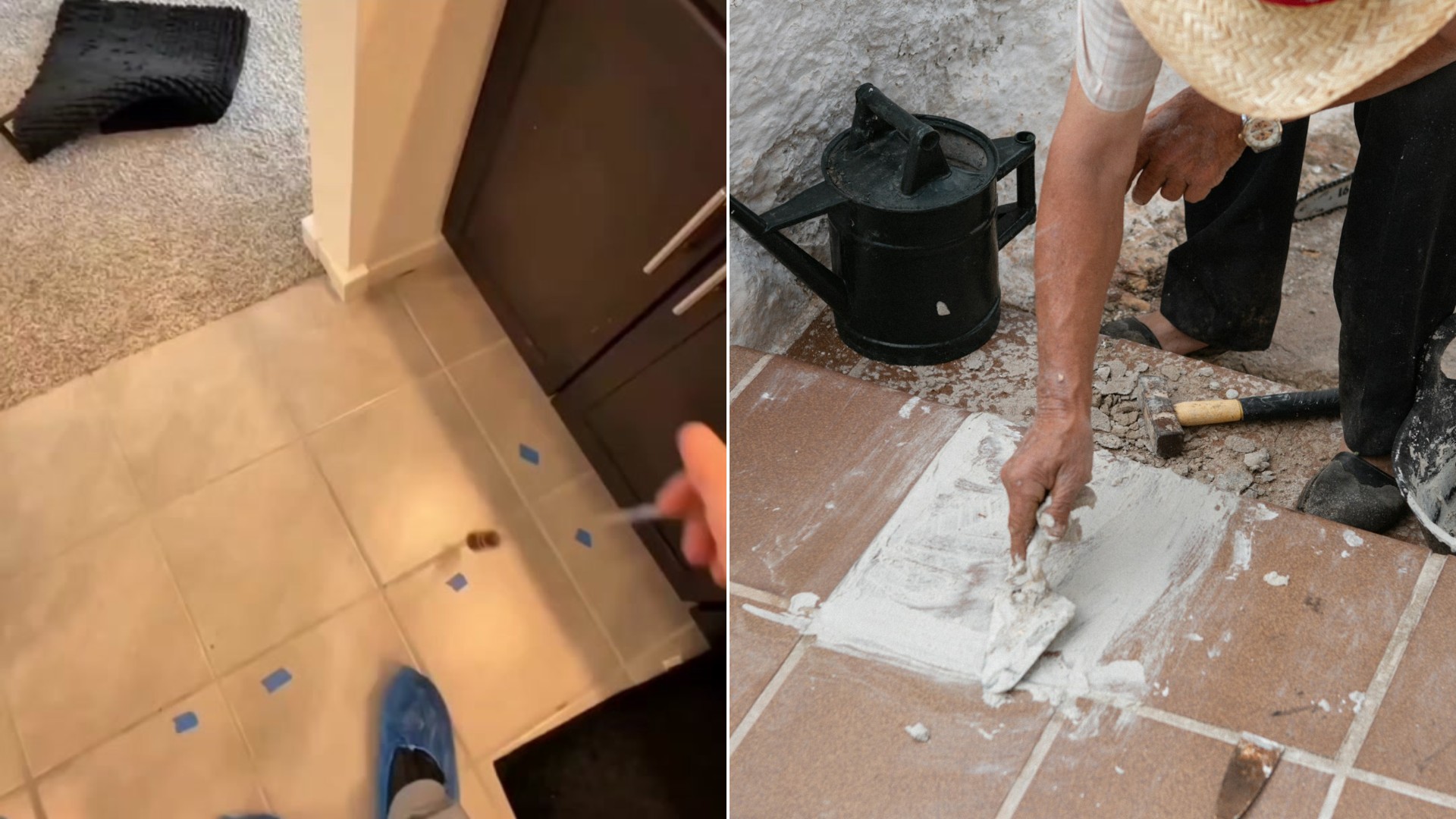
One new construction inspection shared on TikTok by @homeloveconstruction0 shows three issues that any buyer would want to know about before closing day.
@homeloveconstruction0
Poorly Installed Tile Is The First Red Flag
In the video, the inspection turns up tile that was poorly installed. Tile is one of the most visible parts of a new home, so flaws in it tend to be noticed immediately and live with the owner for years.
Common tile problems include uneven edges, where one tile sits higher than its neighbor, known in the trade as lippage. Others are hollow spots under the tile, crooked lines, uneven grout and cracks.
These are not only cosmetic. Tile that is not fully bonded to the floor can crack or pop loose, and uneven edges are a tripping hazard.
Then A Sub Panel Breaker Shows An Error Message
Next the inspector opens the electrical sub panel and finds a breaker showing an error message. That is the kind of discovery that moves from picky to serious very quickly.
A sub panel is a smaller breaker box that feeds a section of the house, such as a garage, an addition or a set of circuits. Modern breakers, especially arc fault and ground fault types, often have a test button and a light or display that signals a fault.
An error message can mean a wiring problem, a faulty breaker or a connection that is not right. Whatever the cause, a licensed electrician should look at it. Electrical issues are not a do-it-yourself matter.
And A Chipped Kitchen Countertop The Builder Will Probably Patch
The third finding is a chipped kitchen countertop. The inspector’s view is that the builder will probably try to patch it.
That is a very common outcome. Builders often fill chips in stone or solid surface countertops with color matched epoxy, and a good repair can be nearly invisible. A poor one stands out in certain light and may not last.
Whether a patch is acceptable is your call. You paid for new countertops, and you have the right to ask for the repair to be done well or for the slab to be replaced when damage is significant.
Why Inspections Matter Before Closing
Once you close, the house is yours, and so is every flaw that you did not spot. Fixing things afterward is harder, because you must prove the problem was there on day one and chase the builder for a repair.
An inspection before closing gives you leverage. The builder wants the sale to go through, and a written list of defects with photos puts the focus on getting them fixed quickly.
A quality inspector goes beyond the surface. He opens panels, tests outlets, runs water, checks the roof and the attic, and looks at the grading around the home.
How To Handle The Defect List
When you have the report, here is a smart way to proceed.
- Sort the items into safety issues, such as the breaker, and cosmetic ones, such as a chipped counter. Safety items come first.
- Send the full list to the builder in writing, with the inspector’s photos attached.
- Ask for a date by which each item will be repaired and, for bigger repairs, a plan that explains how.
- Re-inspect the work. Many inspectors offer a follow up visit for a small fee.
- Do not sign off or release funds until the serious items are done and you are satisfied with the rest.
Questions To Ask About Tile And Countertops
For tile, tap it gently with a coin or the handle of a screwdriver. A hollow sound can mean the tile is not fully bonded. Run your hand across the surface to feel for uneven edges, and look along the floor with a flashlight held low, which makes unevenness easy to see.
For countertops, check the edges and corners in bright light, and ask how any repair was made. If a chip is large, deep or in a prominent place, you can ask for a replacement and not a fill.
Do Not Skip The Walkthrough
Do a final walkthrough of your own, even after the inspector is done. Bring a phone for photos, a small flashlight and a notepad. Try every window and door, run every faucet, flush each toilet and flip each light switch.
A new house should be ready to live in, and a polite but firm list of repairs is a normal part of buying one.
The Takeaway
Poorly installed tile, a breaker showing an error and a chipped countertop are exactly the kind of things that turn up in new homes. None of them has to ruin the dream, as long as you find them early and get them fixed properly.
Hire an independent inspector, keep everything in writing and take your time. A few extra days before closing can save you months of frustration afterward.
More Stories You May Like
- Man Tries To Load His Dishwasher And Finds It Totally Locked Up Showing The Word Sabbath, Then A Woman In The Background Laughs Nonstop And Points Out It Is Not Even The Sabbath
- Judge Finds Tesla Liable For Fraud On An $82,000 Solar Roof Sale After Two Sanctions For Withholding Documents, While The Homeowner’s $2.5 Million Damage Figure Is Still An Estimate And Not An Award
- Illinois Landlords Will Have To List Every Mandatory Fee On The First Page Of The Lease Starting In 2027, And Any Fee Left Off Is One The Tenant Does Not Have To Pay
Leave a Reply