If you hauled your pepper plants into a cold, dark corner of the basement or garage before the frost and promptly forgot about them, gardener @naked.earth.botanicals has a message for you. Go check on them now.
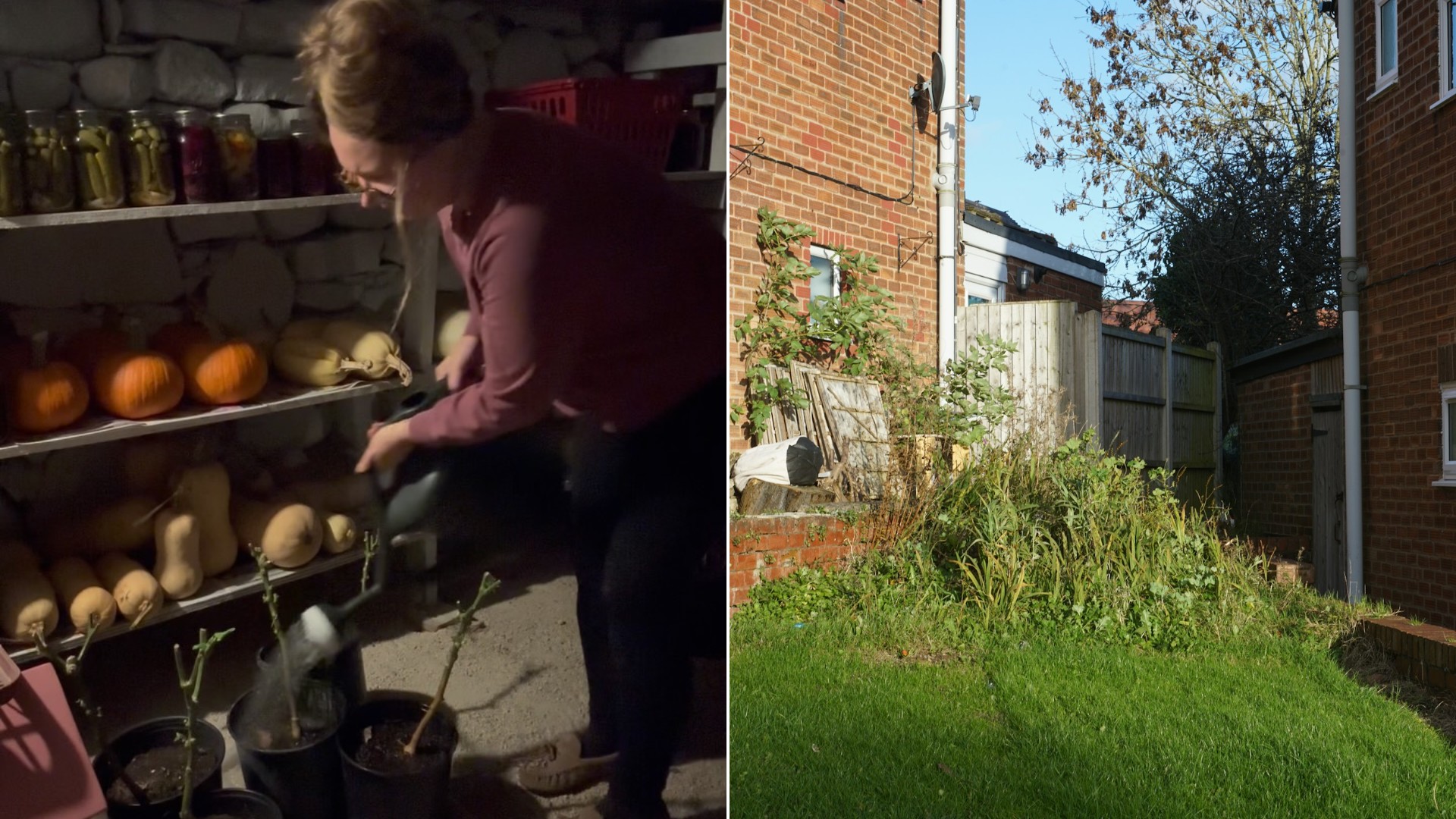
Her reminder is simple. Overwintering peppers cannot be allowed to go bone dry, and they need a little water every couple of months to stay alive.
It is the kind of tip that saves a plant you have already spent a whole summer growing, and it takes about five minutes to act on.
View this post on Instagram
Dormant Does Not Mean Waterless
Many gardeners bring peppers indoors in the fall to keep a favorite variety going. Stored in a cool, dim spot, the plant slows down and drops its leaves, which looks a lot like dying but is actually a rest period.
During that rest, the roots are still alive and the stems are still holding moisture. If the soil dries out completely for months, the roots can shrivel and the plant may not wake up in spring.
That is why the gardener says a little water every couple of months is part of the plan. The goal is not to make the plant grow, only to keep it from drying out entirely.
How Much Water Is A Little
Think of it as a small drink, not a soaking. A cup or so of water for a plant in a modest pot is often enough, poured slowly so it soaks in evenly.
Overwatering is the other danger. A plant that is not growing uses very little water, and wet soil in a cold, dark place invites rot and mold.
Stick a finger an inch or two into the soil. If it is completely dry and the pot feels light, it is time for a drink, and if it is still damp, leave it alone.
Check The Stems, Not Just The Soil
A healthy dormant pepper has stems that are firm and a little flexible. Scratch the bark gently with a fingernail, and if you see green underneath, the plant is still alive.
Stems that are brown, dry and brittle all the way through are a sign the plant may not recover. Mushy or moldy stems point to the opposite problem, too much moisture.
Look at the pot for signs of pests as well. Gnats, aphids and spider mites can hang on through winter, and catching them early is far easier than dealing with an infestation in spring.
The Right Spot For Winter Storage
Peppers are tropical plants, and many gardeners find they do best when kept cool but above freezing. A range of roughly 45 to 55 degrees Fahrenheit is often suggested for overwintering, though plants vary by variety.
A basement, an unheated spare room or an attached garage that stays above freezing can all work. A spot that dips below freezing will kill the plant, so check the thermometer on the coldest nights.
Some gardeners prune the plant back by a third to half before storing it. That reduces the amount of plant the roots have to support and makes it easier to move.
Waking Them Up In Late Winter
As the days get longer in late winter, bring the plants into brighter light and water them a bit more. New green growth is the sign that the plant has made it.
Move them to a sunny window or under a grow light, and start feeding with a diluted fertilizer once growth picks up. Wait until the danger of frost is past before moving them outdoors, and ease them into sunshine gradually.
Overwintered peppers often get a head start on new seedlings. Many gardeners report earlier flowers and fruit from plants that were kept alive through the cold months.
Common Mistakes With Overwintered Peppers
The most common mistake is forgetting the plant entirely. A pot tucked behind boxes in a dark corner can sit for months without a single look, and by the time it is remembered the soil may be as dry as dust.
The second mistake is treating a dormant plant like an active one. Fertilizer and heavy watering in a cold room do more harm than good, since the roots are not ready to use them.
Finally, avoid moving the plant straight from a dark basement to full sun. A sudden change can scorch the new leaves, so give it a week or two of gradual light.
Which Peppers Overwinter Best
Hot peppers, especially the varieties in the Capsicum chinense and Capsicum baccatum families, tend to be long lived and bounce back well. Many gardeners also keep sweet peppers going, though results vary by plant.
A healthy, disease free plant is the best candidate. If a pepper had pests or disease during summer, it is often wiser to start fresh with seed.
A Quick Check List For Your Peppers
Pick up each pot and feel the weight. Look at the stems and the soil, and give a light drink to anything that is bone dry.
Write the date on a calendar so you remember to look again in a month or two. A small reminder now can keep a prized plant alive until spring.
The gardener’s advice is worth the trip downstairs. A pepper plant that has been through a whole season of work deserves a little water on its quiet winter.
More Stories You May Like
- Jensen Beach Mom Returns To A House Filled With Sewage 4 To 6 Inches Deep, Has No Flood Insurance Because The Area Is Not A Flood Zone, And Says Officials Told Her Water Pumped From Port St. Lucie Added To The Flooding
- Plumbers Say A Water Heater Never Drained In 10 Years Should Probably Not Be Drained Now, Because Stirring Up The Sediment Can Cause Leaks And Valve Failure
- Regulators Say Stop Using Two Smoke Alarms Sold Online Because They Can Stay Silent During A Fire, And The Sellers Have Not Answered The Government’s Recall Requests
Leave a Reply