
In a small, rural town, where the charm of a Mom-and-Pop eatery is often accompanied by personal ownership, one former waitress sheds light on an unsettling reality that many restaurant workers face—exploitation at the hands of those who are supposed to support them. The story unearthed from a Reddit discussion captures the experience of a teenage waitress who worked in a local diner about 15 years ago, where her daily routines were overshadowed by the entitled antics of the owners’ adult daughters.
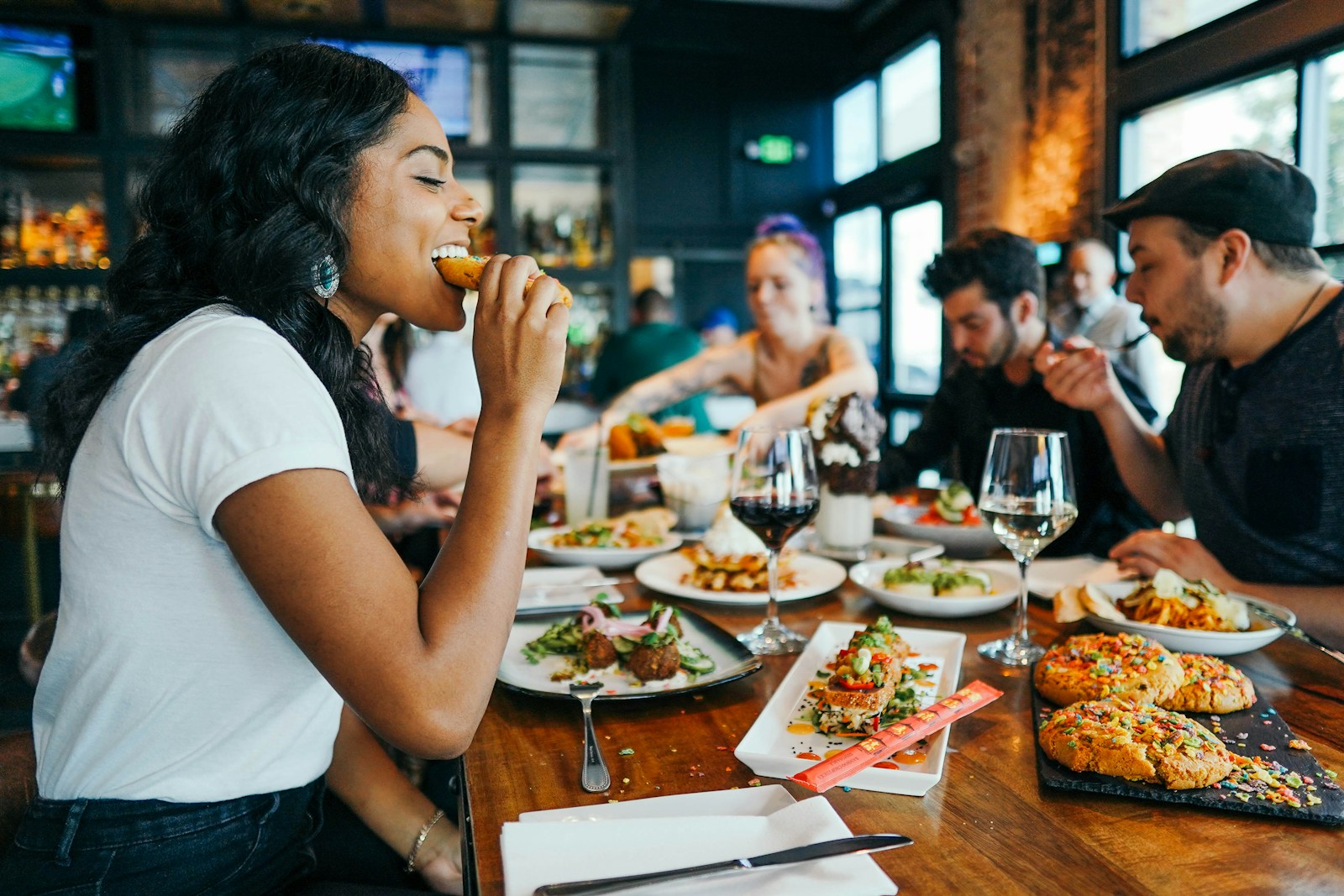
The restaurant was a quaint establishment, frequented by locals, but also notorious for its rough clientele. Many patrons were older couples who believed that leaving a few quarters was a suitable tip for a meal. However, the most challenging part of the experience came not from the customers, but from members of the owner’s family themselves. While the owner’s son was a respectful patron, often visiting with his daughter and leaving generous tips, the daughters left much to be desired.
The eldest daughter had undergone bariatric surgery and made her presence known by demanding her own pitcher of sweet tea daily, a concoction so sugary it hardly resembled tea at all. She would commandeer the kitchen during busy hours, making it difficult for staff to navigate the rush of orders. Her habit of personally overseeing the creation of large pizza orders further complicated the workflow, as the busy kitchen staff struggled to accommodate her whims alongside their regular duties.
Yet, the youngest daughter truly set the bar for entitlement. She would arrive with a small entourage, including her three children, often taking up an entire section of the restaurant. Their orders were extravagant, regularly totaling up to $250, but shockingly, she never paid for any of it. Even more perplexing was her complete disregard for tipping, forcing young servers to work hard for nothing in return. The impact of this behavior was palpable, as waitstaff found themselves dreading their shifts, knowing that serving her family was akin to working for free.
Teenagers working at this eatery were paid a meager $2 an hour—a rate that reflected little more than the legal requirements for sub-minimum wage for tipped employees. Their responsibilities extended far beyond simple table service; they were expected to arrive early for prep work and stay late to clean the establishment, including the bathrooms and floors. The expectation of being paid in cash further complicated matters, as many nights, the average pay barely reached $4 an hour—even with tips. This exploitative model of employment left young workers feeling undervalued and overworked.
After a year of enduring the demands and challenges presented by both entitled patrons and the restaurant’s owners, the young waitress made the decision to quit. Her departure coincided with the eventual closure of the restaurant about a year later, a fate that may not have been surprising given the evident mismanagement and exploitation of its staff.
This story resonates with many individuals who have worked in the service industry, especially young workers who often endure similar treatment. The experience of this former waitress highlights the unique vulnerabilities faced by teenage servers in environments where exploitation runs rampant. It raises questions about how family-owned restaurants can sometimes perpetuate a culture of entitlement and disregard for the younger employees who keep the business afloat.
While the restaurant scene often paints a picture of camaraderie and support, stories like this remind us that the reality can be very different—especially for young individuals entering the workforce. Many rely on these jobs for their first taste of independence and experience, yet they often find themselves navigating a system that undervalues their contributions.
As the dining landscape continues to evolve, the need for fair treatment and compensation for all employees—especially those just starting their careers—remains an important topic for discussion. The tale of this waitress serves as a reminder of the underlying challenges that exist within the service industry, where the personal playgrounds of some can become the battlegrounds of the many.
More from Willow and Hearth:
Leave a Reply