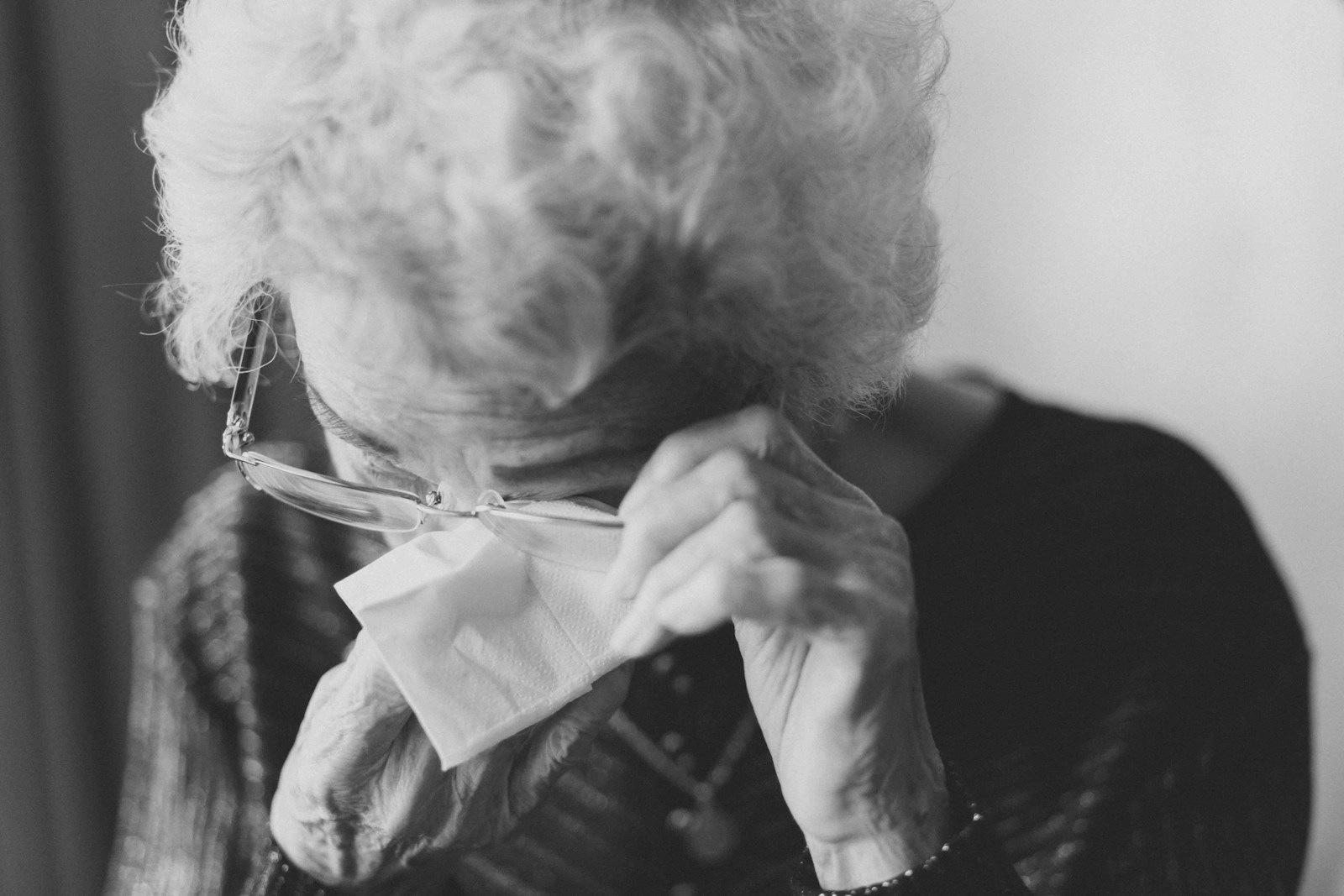
In a heartwarming yet perplexing family scenario, one woman has taken to social media to express her frustrations about her mother’s hygiene habits. The situation, which has become an ongoing issue for years, revolves around her mother’s peculiar sneezing technique that has some raising eyebrows—especially when it comes to everyday interactions like hugs. This story highlights not only a clash of generations but also the simple yet vital conversation about hygiene practices that some just can’t seem to get on board with.
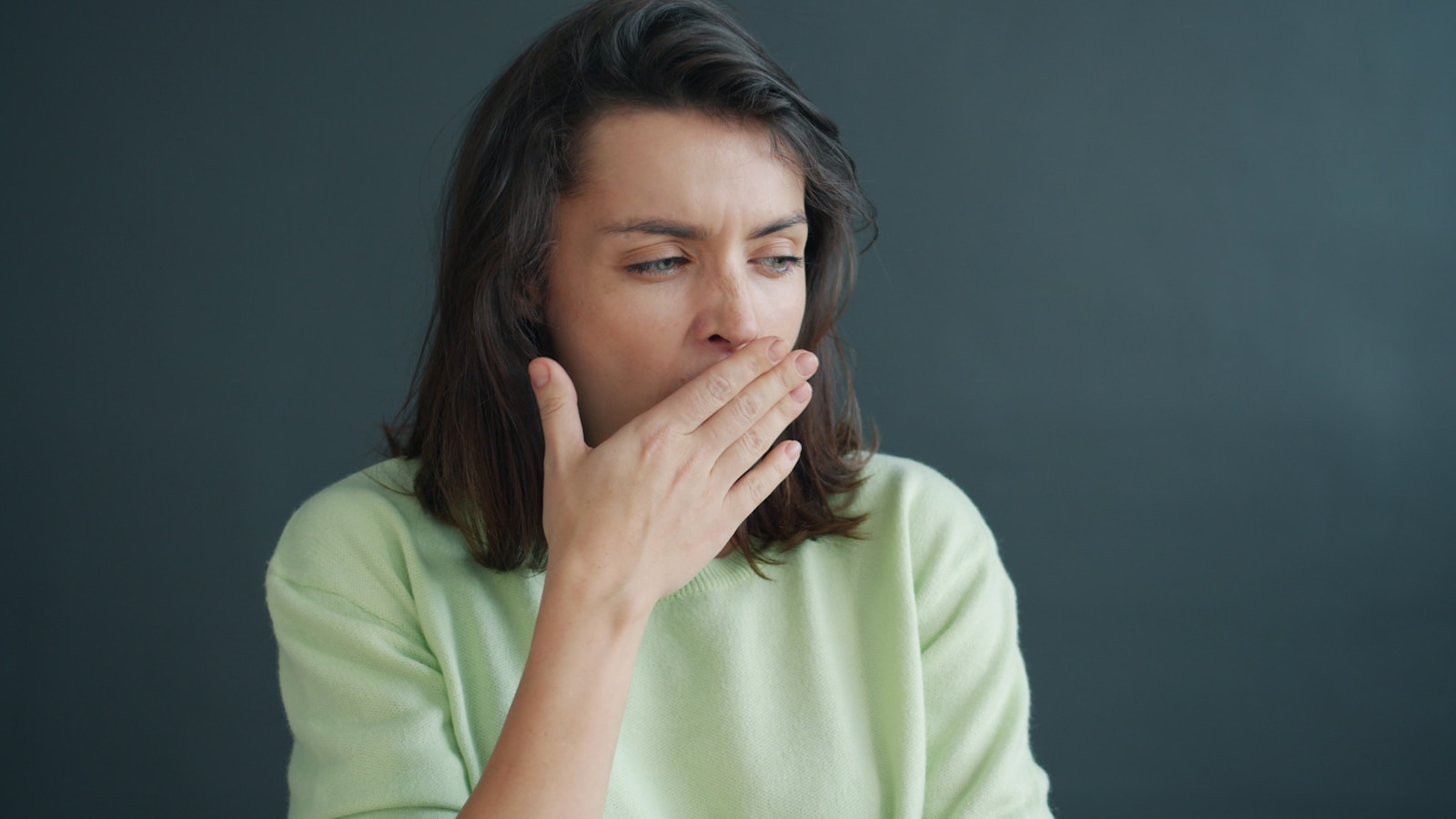
The daughter, who has remained unnamed in this discussion, shared her story on a popular online platform, revealing that her mother has a rather unhygienic habit of sneezing into her hands. This method, often frowned upon by health experts and community standards alike, leaves the mother with hands that could be covered in germs. The daughter has voiced her concerns multiple times, advocating for the more accepted method of sneezing into the elbow, a practice promoted by doctors and health campaigns for its effectiveness in minimizing germ spread.
What makes this situation even more intriguing is the reason behind the mother’s choice. According to her daughter, her mother avoids sneezing into her elbow or sleeve because she fears it may get her clothes dirty. This logic has baffled many, as the daughter humorously points out that a little moisture on a sleeve is hardly the same as spreading germs directly onto her hands—something that could easily be washed off but may lead to unwanted health consequences.
As their interactions progressed, the daughter established a personal boundary: she would not engage in physical contact, such as hugging her mother, immediately after a sneeze unless her mother had washed her hands. To her, this boundary felt reasonable, especially in the wake of recent global health crises that put hygiene at the forefront of many family discussions. However, this boundary seems to have been met with resistance. The mother has allegedly reacted with hurt and disappointment, interpreting her daughter’s actions as a personal affront rather than a simple hygienic precaution.
In situations like these, it’s interesting to examine the emotional responses that can arise from a seemingly straightforward issue. While many would agree that the daughter’s caution is justified, her mother’s emotional reaction sheds light on the complexity of familial relationships and the potential for miscommunication. The daughter is primarily concerned about her health, while the mother feels criticized for her habits, leading to a disconnect in their relationship.
It’s common for families to face such challenges, especially when it comes to personal habits and hygiene practices. The daughter’s experience reflects a broader theme of how habits can become ingrained in a person’s lifestyle, making it difficult for some to adapt to new norms, especially when those norms are communicated by younger generations. The daughter’s insistence on cleanliness isn’t inherently unreasonable, yet her mother’s feelings of rejection following her daughter’s boundary can provoke tension.
This unique family dynamic reveals how differing perspectives can challenge relationships, prompting discussions that may need to be more frequent in order to foster understanding. The daughter has remained firm in her stance, insisting that her preferences are not meant to be a rebuff of affection but rather a precautionary measure. This represents a common struggle; where one person’s comfort intersects with another’s habits, creating a gray area of emotional reactions and misunderstandings.
As the daughter continues to navigate this delicate issue, it might be beneficial for both parties to find common ground. Perhaps there’s a middle path that allows the mother to keep her clothing pristine while ensuring that hygiene remains a priority in their ongoing interactions. With patience and open communication, they might find ways to respect each other’s boundaries while maintaining their close bond.
This story serves as a humorous yet poignant reminder of how even the most routine actions—like sneezing—can have far-reaching implications in familial relationships. It brings to light the importance of hygiene in everyday life, illustrating that sometimes, behaviors that seem trivial to one person can impact the emotional well-being of another. While the daughter feels justified in her actions, the emotional responses of her mother highlight the need for understanding as they navigate this quirky family challenge together.
More from Willow and Hearth:
Leave a Reply