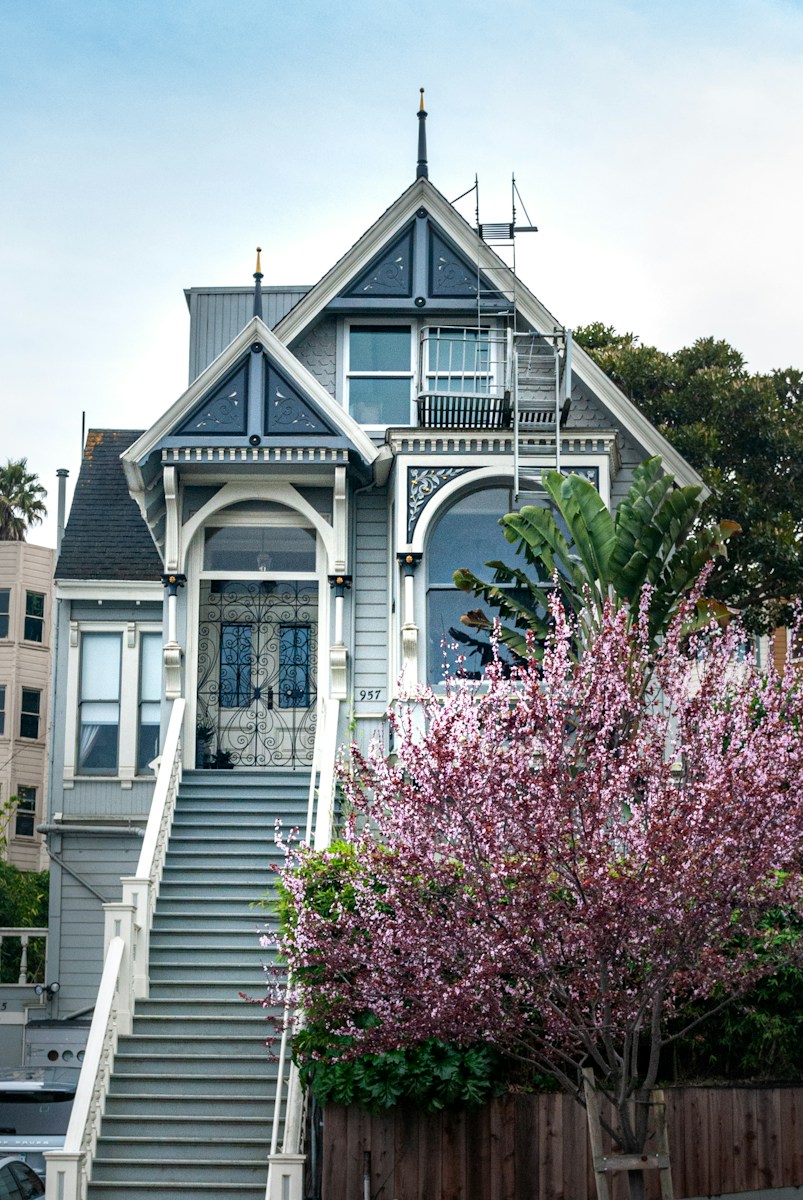
Split-level homes rarely get the design spotlight, which makes @devleathers’s home tour especially worth paying attention to, contrasting a split-level house’s classic, recognizable exterior architecture with its thoroughly updated, modern interior, declaring it simply one of the best split levels I’ve seen.
There’s a specific design challenge in updating a split-level home in particular, since the exterior’s distinctive, multi-level silhouette is often considered a defining, somewhat dated architectural feature that most renovations either lean into or awkwardly try to disguise.
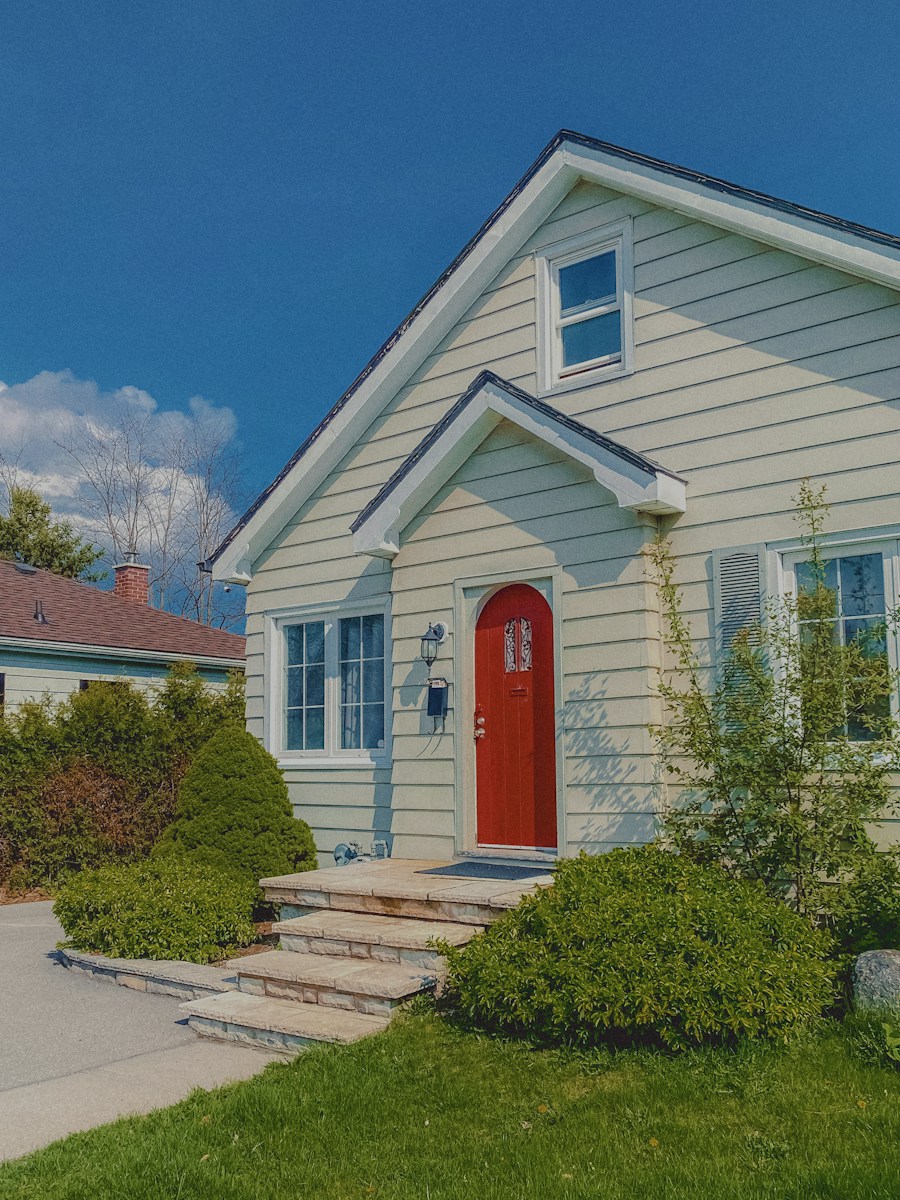
The decision to preserve the classic exterior while fully modernizing the interior reflects a specific, increasingly popular renovation philosophy, respecting a home’s original architectural identity from the street while reimagining how the interior actually functions and feels.
Split-level homes in particular present unique interior design opportunities and challenges, since their staggered floor plans create naturally distinct zones that a more open, modern aesthetic has to work with rather than simply flatten out entirely.
There is something genuinely satisfying about seeing a once-overlooked architectural style get this kind of design respect, pushing back against the assumption that split-levels are inherently less desirable than more conventional single-story or two-story homes.
The contrast between exterior and interior here does real work in challenging viewers’ assumptions, demonstrating that a home’s curb appeal and its interior design quality don’t have to match in style or era to both succeed on their own terms.
Comment sections under this kind of tour tend to fill with viewers specifically interested in split-level renovation, a niche but genuinely engaged audience that doesn’t always get content tailored to their specific architectural style.
This kind of renovation also reflects a broader shift in how homeowners think about mid-century and split-level architecture generally, increasingly recognizing these styles as worth preserving and updating rather than simply demolishing or disguising.
There’s a real financial logic in this approach too, since updating a split-level’s interior while preserving its existing structure and exterior typically costs considerably less than a full teardown and rebuild in a more currently fashionable style.
It’s worth appreciating, too, how much design skill it takes to modernize a split-level’s naturally segmented interior without losing the functional benefits that staggered levels can actually offer, separation between social and private spaces, for instance.
This kind of exterior-interior contrast also offers real inspiration for anyone who owns an architecturally distinctive but currently unfashionable home, proof that a full exterior replacement isn’t necessary to achieve a genuinely modern, updated living experience.
For homeowners currently underwhelmed by their own split-level or similarly dated architectural style, this video offers a useful, concrete example of how much can change inside while the exterior silhouette stays recognizably the same.
There’s a broader design lesson here too, that architectural styles tend to cycle in and out of fashion, and renovating thoughtfully rather than erasing a home’s original character tends to age better than chasing whatever look happens to be trendiest at the moment.
This kind of renovation also preserves something a full rebuild would lose entirely, the specific, recognizable character that made this particular split-level distinctive within its neighborhood in the first place.
For anyone searching for their next home and dismissing split-level listings outright, this tour offers a useful reconsideration, proof that the right interior update can make this architectural style feel just as modern and desirable as any other.
There’s also a reminder here about the value of seeing past a home’s current presentation to its underlying structural potential, since the most interesting renovations often start with a style other buyers overlooked entirely.
Whatever home this creator tours next, this split-level stands as a strong argument for exactly the kind of renovation philosophy that respects a home’s original architecture while still delivering a genuinely modern living experience inside.
And for anyone scrolling through home tours looking for proof that unfashionable architecture can still produce a stunning finished result, this split-level offers exactly that kind of compelling, visual evidence.
In the end, a home’s exterior silhouette and its interior design quality are two genuinely separate questions, and this split-level proves convincingly that getting the second one right doesn’t require changing the first one at all.
There is also something worth noting about how this kind of thoughtful, contrast-driven renovation photographs and sells differently than either a fully matched update or an untouched original, since it offers buyers the reassurance of a modernized interior alongside the neighborhood familiarity of a recognizable exterior.
That combination can actually be a meaningful selling point in a competitive market, appealing both to buyers drawn to clean, current interiors and to those who value a home that still fits comfortably into its surrounding streetscape.
For anyone renovating their own split-level or similarly dated exterior, this tour is a useful reminder that the interior and exterior don’t need to be solved with the same philosophy, and sometimes the most interesting result comes from treating them as two separate, deliberate decisions.
And the next time someone scrolls past a split-level listing without a second look, tours like this one are exactly what might convince them to actually schedule a showing instead.
That willingness to see potential underneath an unfashionable exterior, more than any single design choice shown in this particular tour, is probably the most transferable lesson here for anyone house hunting with a strict architectural style in mind.
That distinction, between a home’s bones and its finishes, is probably the most useful lesson here for anyone currently underestimating the potential sitting behind an unfashionable facade.
Leave a Reply