Picture hearing popping noises from inside your own building in March and finding you cannot open your front door. That is how it began at the Rialto Apartments in Orange County, Florida, according to the building’s own account and local station WKMG News 6.
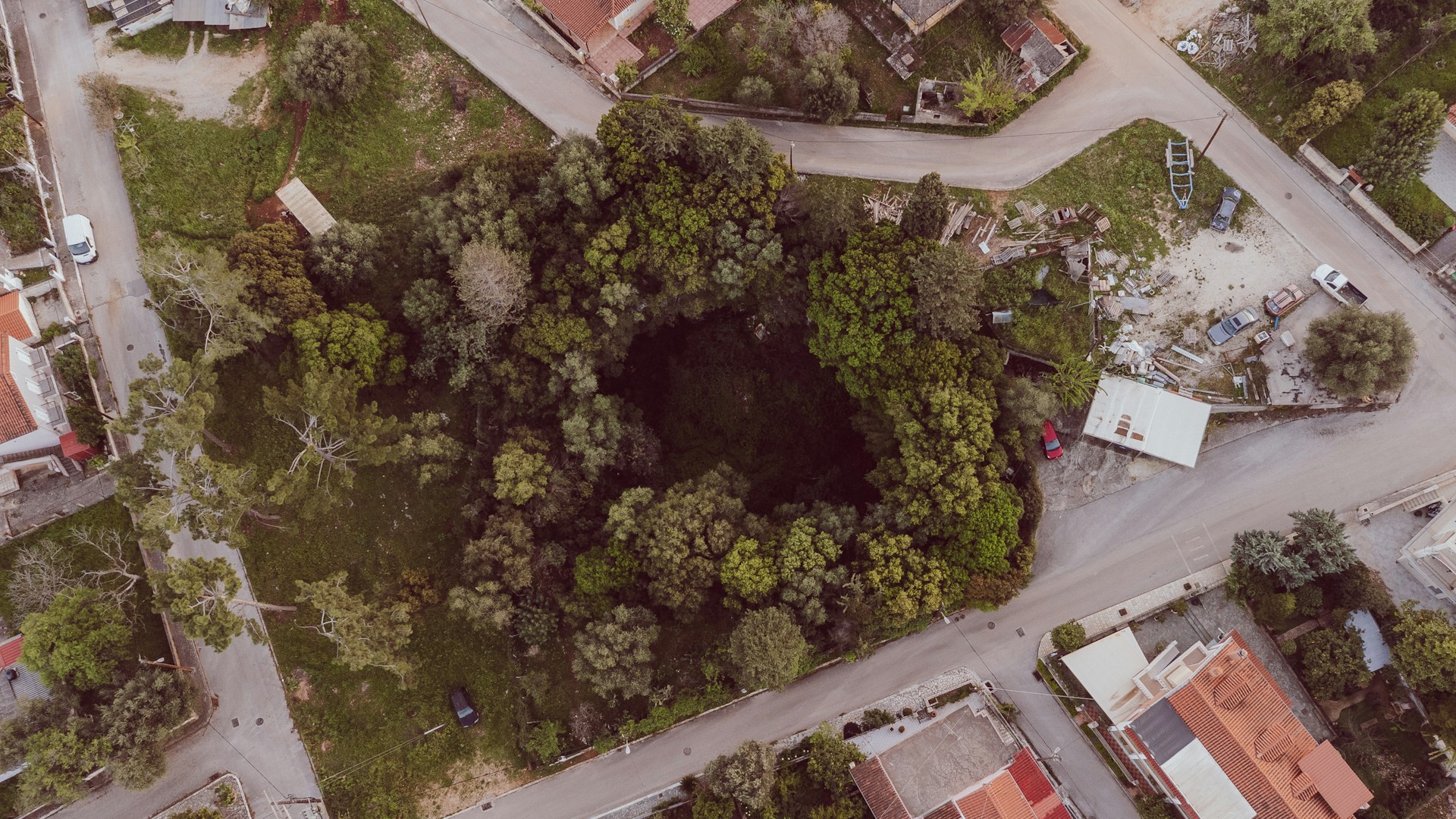
A resident heard the popping sounds and called Orange County Fire Rescue. Firefighters arrived and found signs that the building was unstable. They had to pry the front door open to get her out.
About 200 families were ordered to leave the building that month, and the story has only grown more complicated since.
“The Renter Could Not Open Her Door,” And Firefighters Found A Building In Trouble
The order to evacuate came fast, and residents were woken and told to go. For roughly 200 households, home stopped being a safe place to sleep in one morning.
The building did not simply get a quick fix and a reopening. Months later, families are still dealing with the aftermath, and the question that hangs over the property is a simple one: can it ever reopen?
Engineers Now Say A Sinkhole Opened Up Underneath The Building
Engineering firm Simpson Gumpertz & Heger, known as SGH, investigated and determined that a sinkhole formed beneath the building, causing it to shift slowly. Its report came out in September, roughly five months after a foundation repair company injected grout to re-stabilize the structure.
The Rialto describes the cause in its own FAQ. It says the downward movement is “most likely the result of a deep-seated subsidence mechanism consistent with soil raveling into void spaces in the underlying limestone.”
In plain English, that means soil was washing down into hollow spaces in the limestone below the ground. When enough soil drains away, the ground above it can sink and drag a building along with it.
The Rialto Says 95% Of Residents Have Been Relocated
The Rialto says almost every affected household received help, and that 95% of residents have been relocated since March. It also says it has “remained committed to ensuring a thorough and responsible process” throughout SGH’s investigation.
At least one lawsuit remained unresolved after the evacuation and relocation effort, according to the Rialto. And on the biggest question, whether the building can reopen, there is no answer yet. WKMG News 6 asked it directly in a September 18 report: “Can it ever reopen?”
For residents, that uncertainty is its own kind of weight. Packing a life into boxes is hard enough. Doing it without knowing whether you will ever go back is harder.
Think about what that means in daily life. Kids need a school run, workers need a commute, and pets need a place to stay. Every one of those pieces had to be rebuilt on short notice for hundreds of people at once.
The grout work was meant to steady the building while engineers studied it. The September report then gave the first formal answer on why the structure had moved at all.
Why Florida Is Sinkhole Country, And What Renters Can Do
Florida sits on limestone, and limestone can dissolve over time, leaving voids underground. That is general geology, and it is why sinkholes show up in the state. Not every cracked wall is a sinkhole, but it pays to know the warning signs.
Whether you rent or own, watch for these:
- Doors and windows that suddenly stick or will not close.
- New cracks in walls, ceilings or floors, especially ones that keep growing.
- Popping, cracking or groaning noises from the structure.
- Cracks in the pavement, parking lot or yard, or small depressions that appear in the ground.
- Gaps opening between walls and ceilings or around door frames.
If you notice any of these, report them in writing to your landlord or property manager and keep a copy. Take dated photos. If you feel unsafe, leave and call your local emergency number, as the Rialto resident did.
Know Your Rights Before The Worst Day Arrives
Renters can protect themselves even when a disaster is out of their hands. These steps are general advice, and the details depend on your lease and your state’s laws.
- Carry renters insurance. Ask whether it covers temporary housing if you are forced out.
- Keep a small go bag with medications, documents, chargers and a change of clothes.
- Photograph your belongings now, so a claim is easier later.
- Save your lease and every message with management in a place that is not in your apartment, such as cloud storage.
- If you are displaced, ask in writing what help the owner is offering, and keep every receipt.
The Rialto story is a reminder that a home can change in a single night. About 200 families learned that in March, and for many of them the question of what comes next is still being answered.
More Stories You May Like
- Couple Buys A Building With An Exceptionally Unsafe Deck That Turns Out To Be Propped Up By A Bike Tire, And The Rebuild Hits Surprises Before The Inspector Arrives
- Louisiana Mother Evicted After She Stopped Paying Rent Over Mold, Holes In The Walls And A Thermostat Over 90 Degrees While Her Landlord Was Fined Only $500 For Siding And Yard Debris
- Turf Pro Admits He Fell Behind And Is Cutting Off Half The Blade Instead Of The One Third Rule, Then Explains Why It Won’t Hurt Fescue This Time Of Year
Leave a Reply