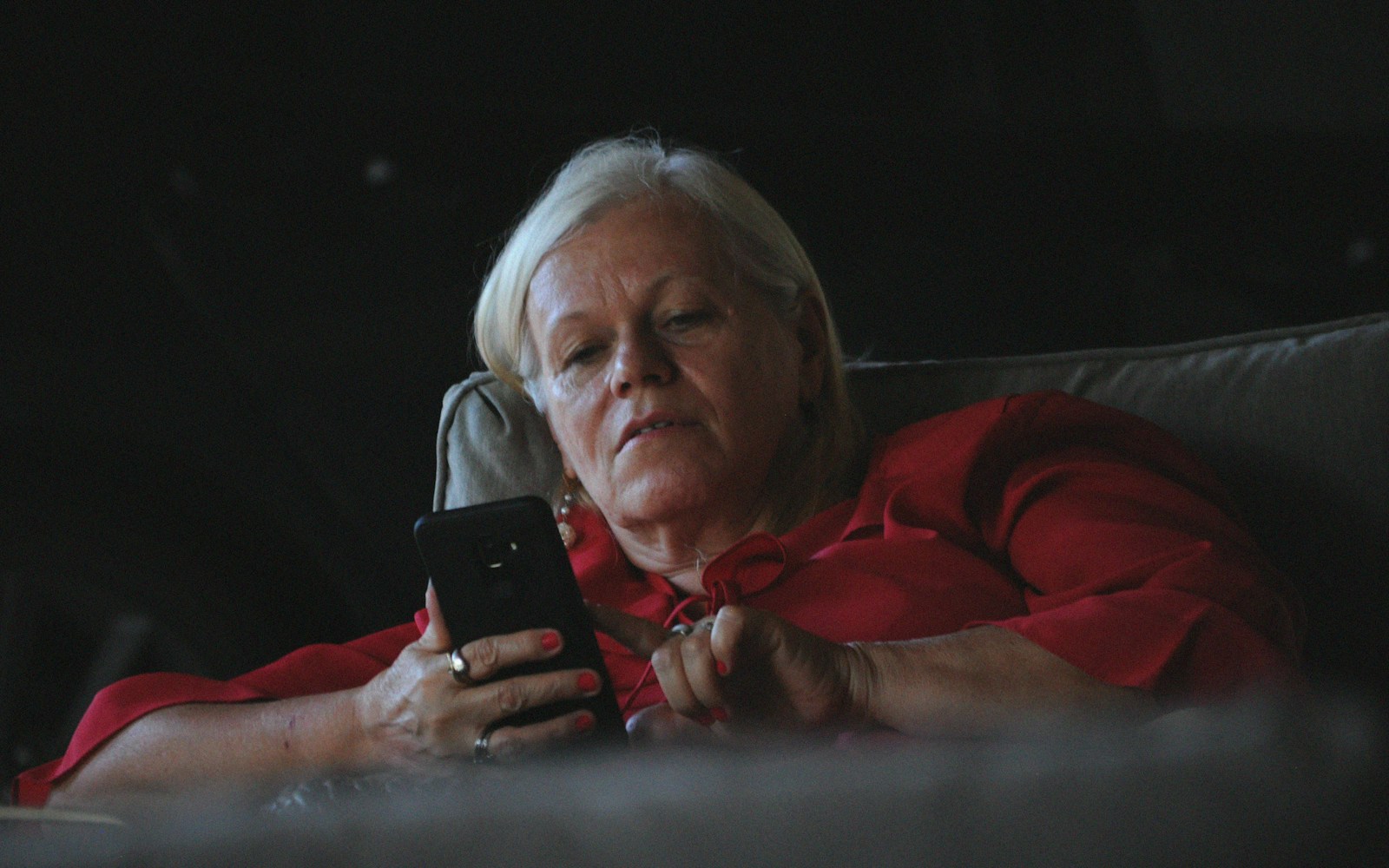
Anker used its IFA 2026 keynote to unveil a device that solves a problem most adult children have quietly worried about for years: how do you know your aging parent is okay in their own home without installing a camera they’ll resent or asking them to wear something they’ll take off and forget about. The answer, according to reporting from 9to5Toys and WiFi Hi-Fi, is the new eufy Fall Detection Sensor, a mountable, camera-free device that uses radar instead of a lens or a wearable to figure out when someone has gone down.

How a sensor “sees” a fall without a camera
The eufy Fall Detection Sensor relies on millimeter-wave radar, the same broad category of sensing technology used in some cars’ collision-avoidance systems and touchless gesture controls, to track motion and body position in a room. There’s no lens capturing video and nothing to strap on. You mount it on a wall in a bathroom, bedroom, or wherever a fall is most likely to happen, and it watches for the specific motion signature of a body dropping suddenly, then sends an alert and opens two-way audio so someone can talk directly to the person on the floor.
That two-way communication piece matters more than it might sound. A silent alert tells you something happened; being able to say “Mom, can you hear me, help is coming” while you’re already calling a neighbor or an ambulance is a different experience entirely, for both the person on the floor and the person miles away trying not to panic.
Why radar instead of a camera or a wearable
Camera-based monitoring for seniors has always had an uncomfortable tradeoff built in: it works, but it also means a family member is potentially watching an older adult get dressed, use the bathroom, or simply exist in their own space without privacy. Wearables solve the privacy problem but create a compliance one, since a device only helps if it’s actually being worn, and pendant-style medical alert buttons have a long history of ending up in a drawer.
Anker’s pitch splits the difference. According to 9to5Toys’ reporting, the sensor processes its biometric data on-device rather than streaming it to the cloud, which the company is positioning as a privacy safeguard, and it requires no monthly subscription to function. For a category of product that has historically come bundled with recurring fees, on top of the emotional friction of asking a parent to accept new monitoring in their home, both of those details are aimed squarely at lowering the barrier to actually saying yes.
WiFi Hi-Fi’s coverage frames the device as a natural fit for an elderly parent or grandparent, or anyone dealing with mobility issues, who would rather not wear a smartwatch that needs regular charging or a medical alert bracelet that visibly marks them as needing help. That framing lines up with a broader shift in how families are approaching aging in place: less about a single emergency button, more about ambient technology that just runs in the background of a room.
Part of a bigger IFA 2026 lineup
The fall detection sensor didn’t launch alone. Anker used the same event to introduce its MindBase AI-powered home hub alongside four other new security devices, including the eufy TrackLight Cam S1 with auto-tracking deterrence lighting, a 9-megapixel Video Doorbell S4 priced at $299.99, an eight-channel NVR security system starting around $999.99, and a window-mounted camera expected to arrive later in 2026. The fall sensor is the one built specifically around the vulnerabilities of older adults rather than package thieves or driveway visitors, and it’s notable that Anker chose to debut it alongside its flagship home security push rather than as a standalone medical device.
Pricing and a firm release date for the sensor itself were not announced at IFA, with both outlets noting that additional availability details are still to come. That’s typical for a keynote unveiling, but it also means the real test, how it performs in an actual bathroom with actual humidity and pets wandering through the radar’s field, is still ahead of it.
What it means for families weighing their options
Fall detection isn’t new. Apple Watch has offered it for years, and traditional medical alert companies have sold pendant systems for decades. What’s changing is the form factor: a fixed sensor that requires no daily interaction from the person it’s protecting removes the single biggest failure point in home safety tech, which has always been getting someone to use it consistently. Whether radar-based sensing proves reliable enough to replace a camera or a wearable outright will take real-world testing to answer, but for families who’ve hit a wall trying to get a stubborn parent to wear anything at all, a sensor that simply lives on the wall and does its job may be the version that finally gets accepted.
Leave a Reply