
Yamm, a young woman sharing her story anonymously, describes a painful reality where her tears are met with ridicule rather than compassion. In her home, the act of crying is not seen as a natural human response but as a sign of weakness to be scorned. This deeply entrenched attitude toward emotional expression reveals troubling family dynamics, particularly in the context of gender favoritism that leaves Yamm feeling trapped and stripped of her rights, even the right to cry.
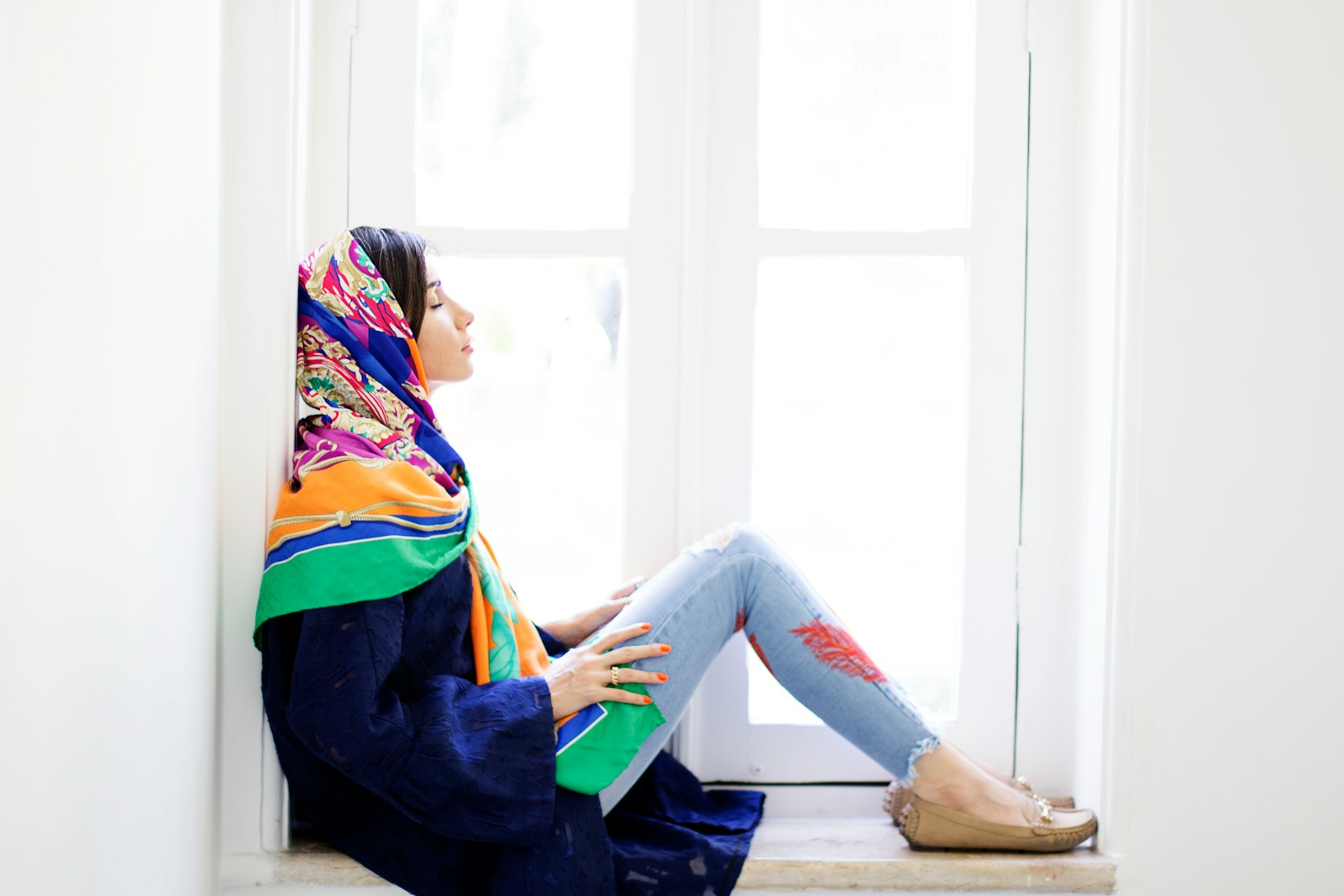
In a candid reflection of her childhood, Yamm shares how her family prioritized her brother over her. “I was deprived of many things so that my brother could have them because he was a boy,” she explains. This favoritism permeates every corner of her upbringing, leaving her feeling less than her male sibling and struggling to find her voice. However, it isn’t just about material things. The emotional landscape of her home reinforces a chilling message: vulnerability is unacceptable.
Yamm points out a particularly hurtful incident that highlights her family’s dismissive attitude toward her emotions. When the Egyptian national football team lost, Yamm cried—a natural reaction for any passionate fan. Instead of empathy, her father responded with a harsh reprimand, striking her on the head and saying, “God willing, we’ll cry for you when you die.” This reaction unnerved her, forcing her to question the norms of her family life. She asked, “Is it normal to remain silent until I die?” The juxtaposition of her tears against her father’s unyielding demeanor paints a tumultuous picture of her family dynamics.
In Yamm’s home, crying is transformed from an expression of emotion into a taboo that she is not allowed to engage in. The implication that her tears should only come at the time of her death illustrates the lack of understanding and compassion within her family. This stifling atmosphere leads her to wonder whether women, particularly Arab girls, are denied even the most basic right to express their feelings.
As Yamm tries to navigate her painful reality, she also reflects on her desire for freedom, stating, “I wish I could be free, not the kind of freedom that means no rules, but the kind of freedom that lets you cry without fear of being heard.” Her poignant wish underscores a broader longing for acceptance and understanding, which she feels has been systematically denied to her because of her gender and family structure.
The story has resonated with many readers, sparking conversations about the emotional toll of familial expectations and gender inequality. Some readers focused on the underlying theme of oppression, with many empathizing with Yamm’s plight and expressing support for her right to feel. They recognized her tears as a legitimate and necessary part of her emotional experience rather than a weakness to be belittled.
Others expressed outrage at the dismissive nature of her family, with some users sharing their own experiences of toxic family dynamics. They echoed the sentiments of isolation and misunderstanding that Yamm expressed, emphasizing the importance of creating an environment where emotions can be freely expressed without judgment. These comments reflect a collective empathy toward her situation and a recognition of the often-unspoken struggles many face within their own families.
The responses to Yamm’s story reveal a broader dialogue about emotional health and the rights of individuals—especially women—within traditional family structures. While Yamm’s story showcases a deeply personal struggle, it also opens the door for discussions about the norms that govern emotional expression within many households, encouraging others to reflect on their own experiences.
Ultimately, Yamm’s story stands as a testament to the difficulties of navigating familial expectations while yearning for the freedom to express oneself authentically. Her experience invites readers to confront uncomfortable questions surrounding gender and emotional expression in family settings, leaving the lingering tension of whether she will ever find a space where her tears are met with understanding rather than mockery.
More from Willow and Hearth:
Leave a Reply