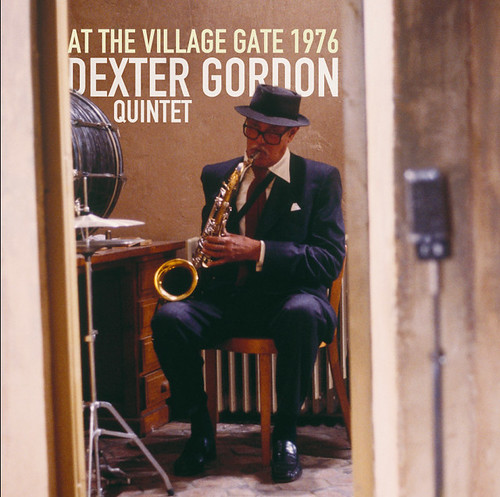
An artist in Wisconsin has found themselves at a crossroads between creativity and copyright law after embarking on a project inspired by a famous photograph of jazz legend Dexter Gordon. The poster, an engraver, had crafted a wooden piece that reflected the iconic image, but they questioned whether their artistic endeavor might violate copyright rules. With the desire to sell their work, the poster was left wondering if they would need a license to do so, or if the project itself constituted infringement.
The artist’s journey began with their admiration for the jazz icon. Dexter Gordon, known for his towering presence in both the music world and in visual representations, has been immortalized in a number of striking photographs. The poster admired one such photo and decided to translate it into a wooden engraving, channeling their skills into creating a piece that was both tribute and art.
With the engraving complete, the poster began to consider the practicalities of selling their work. Their enthusiasm was tempered by a growing apprehension. “I don’t know if I’d need to obtain a license of the photo in order to sell it,” they expressed in their online inquiry. The poster recognized that while their engraving was not merely a reproduction—it reflected their own artistic interpretation of the original photograph—questions about copyright remained. They were keenly aware of the fine line artists walk when inspired by existing works.
In seeking clarity, the artist turned to the online community for guidance. They shared a link to their engraving in a separate post, but the main question revolved around copyright infringement. Without any comments or initial feedback in the original inquiry, the poster was left to navigate this complex legal landscape largely on their own.
As the community began to engage with the post, many focused on the core conflict—whether the artist needed permission to sell the wooden engraving. Some commenters pointed out that transforming an image into a different medium does not automatically mean that the artist had avoided copyright issues. Others suggested that even original interpretations could fall under copyright protections if they too closely resembled the original photo.
While some readers offered support and insights about copyright law, others emphasized the need for artists to be cautious when venturing into the commercial space. “This is why so many artists get burned,” one commenter noted, recognizing the pitfalls that can accompany art inspired by other works. The anxiety surrounding potential legal consequences hung heavily in the digital air.
As the comments continued to roll in, the poster was left with their initial uncertainty compounded. They had set out to create a piece of art that celebrated a musical giant, and now, they were caught in a web of legal implications that could stifle their creativity. Would their interpretation be considered transformative enough to avoid copyright issues? Or would they need to seek a licensing agreement, potentially complicating their artistic venture?
In the end, the poster’s artistic journey is emblematic of a broader struggle many creatives face as they navigate the fine line between inspiration and infringement. This situation not only challenges the poster’s ambitions but also raises questions that many artists grapple with today. The outcome remains undefined, leaving the artist’s plans and aspirations hanging in the balance.
Original discussion: https://www.reddit.com/r/legaladvice/comments/1ukpbvb/would_a_wooden_engraving_based_on_a_licensable/
Leave a Reply