Imagine being twenty eight years old and learning that a 230 acre farm is yours. That is the story @daisyonthefarm tells in a long storytime shared on social media. Daisy says she inherited the Missouri land that once belonged to her great grandmother, and she is working on a plan to turn it into a working farm.
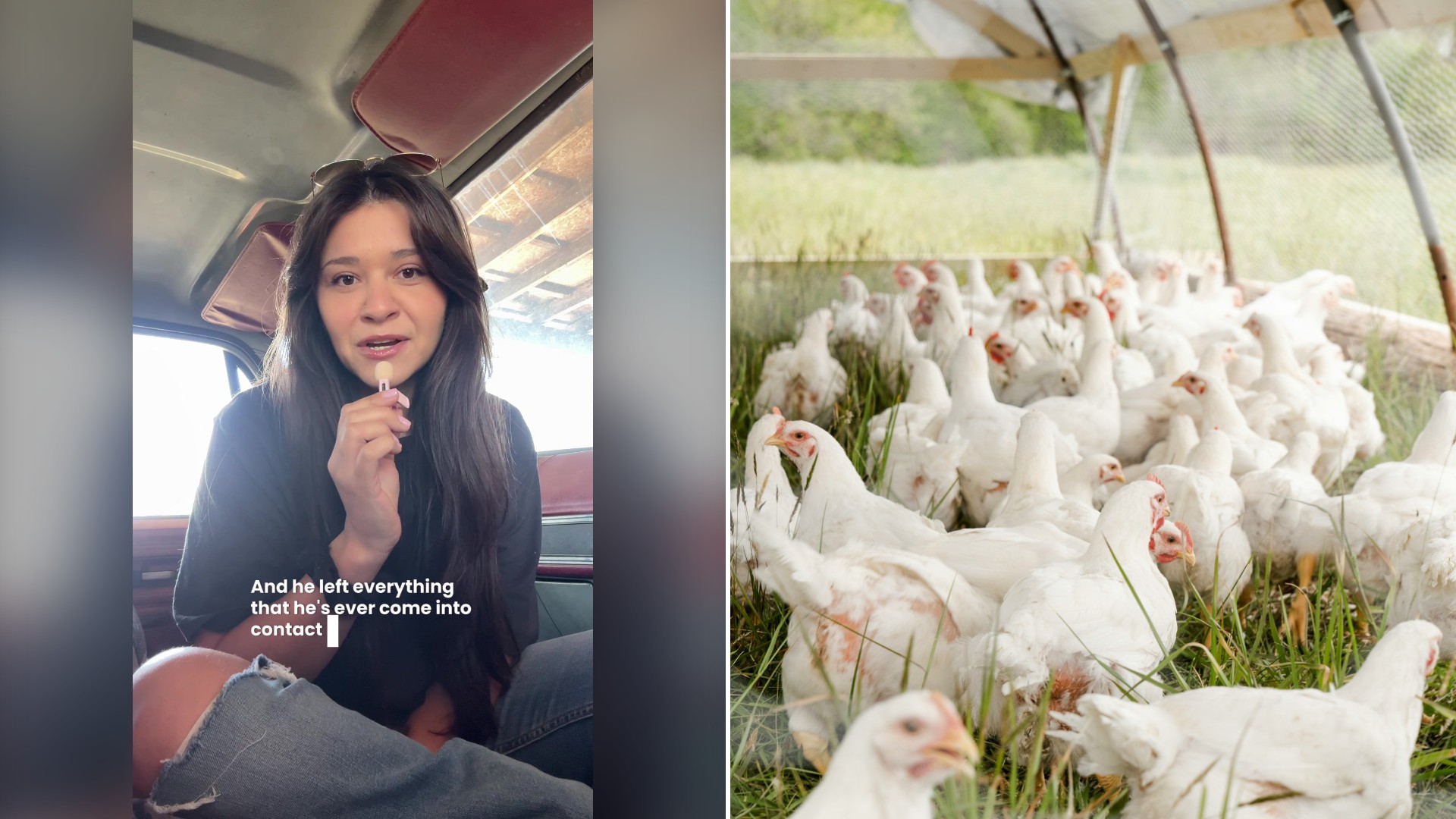
@daisyonthefarm
The land and the family who held it
Daisy says the property in Missouri was originally owned by her great grandmother, who paid around $20,000 for it. She adds that this number comes from her grandma and she is not completely sure it is right. The land later went to her uncle Teddy, and about two years ago it came to Daisy, along with everything on it.
Everything is a literal word here. She says it included tires, wood paneling, fencing, old scrap trucks and tractors. Her family flew out the day after.
Living in Florida, with someone on the farm
Daisy lives full time in Florida, so the land cannot simply be tended from afar. Her uncle Gary, Teddy’s brother, lives on the farm as security. The family is building him a house, and in the meantime, they stay in campers when they visit.
She says she would love to move to the farm full time once an income is in place. She also hopes to have kids in a year or two. So for now, the farm is a project she is building toward, while still living in Florida.
The plan for the farm
Her plan is specific. Daisy wants to raise pasture raised broiler chickens in egg mobiles, which are movable coops that let birds graze fresh ground. She says the land has been untouched for more than thirty years, so she hopes to be organic. She would sell through a company run by a farm friend in Florida.
Later, she imagines a farm shop. Her grandma knits blankets, and her mother in law paints barn scenes, so the shop would carry family made goods. It is a plan built around the people she loves and the land she now stewards.
A bit of her background
Daisy also shares how she got here. She grew up in California. Her grandpa owned a camp in Malibu, and the family later moved to Florida. She met her husband in tenth grade, and they married after ten years together with a wedding in Costa Rica. After moving to Florida, they lived in her mom’s garage for a year before buying their first house about six years ago.
What it takes to start a small pasture farm
Daisy’s plan gives a nice window into how small farms get started. What follows is general guidance rather than anything she said.
Pastured poultry is popular for new farmers because it needs relatively little start up money compared with cattle or crops. Birds are raised on grass in lightweight, movable shelters that are shifted to fresh ground regularly. This spreads manure, helps the pasture and gives chickens access to forage. Broilers are meat birds that grow quickly, often reaching harvest size in a matter of weeks.
Plan around local rules. Rules about raising and selling poultry vary by state, including limits on how many birds can be processed and sold without a licensed facility. Anyone planning to sell meat should check with state agriculture offices before ordering a single chick.
Test the soil and the water. Land that has sat untouched for decades can be a gift, but it still pays to learn what is growing there. A soil test and a look at water sources help with planning pasture, shelters and any gardens.
Learn the market first. Selling through someone with an established customer base, as Daisy hopes to, can shorten the path to income. Direct sales work best when there are customers lined up before the first harvest.
Inherited land comes with real work
Inheriting land is emotional and practical at the same time. Boundaries, taxes, access roads and the condition of old structures all need attention. Walking the property with a surveyor or a local agricultural extension agent can help new owners understand what they have.
Old equipment and scrap, like the trucks and tractors she mentions, can be sorted into items worth keeping, items worth selling and items to haul away responsibly. Safety is a priority, since old fencing, wells and rusted metal can be hazardous.
Having someone on the ground matters too. Daisy’s uncle Gary providing security is a practical answer to a common problem, because unattended rural property can attract theft or neglect. Trail cameras, good gates and friendly neighbors add extra layers of protection.
Questions worth asking before you commit
New farm owners often benefit from a few early conversations. A local extension office can explain soil types, pasture options and any programs that support new farmers. A tax professional can clarify how inherited land and farm income are handled. Neighbors who have worked nearby land for years can share knowledge about weather, flooding and access that no map will show. Gathering this information before spending money makes every later decision easier.
Building something slowly
What comes through most clearly in her storytime is that she is not rushing. Houses are being built, a business plan is forming, and the move itself is tied to when income is in place. That pace may feel slow, but it is often the difference between a farm that lasts and a dream that fades.
She also keeps family at the center. The farm shop idea includes her grandma’s blankets and her mother in law’s paintings, and the land itself connects several generations. For anyone who has inherited a piece of family history, her story shows that the first step is simply deciding to care for it, and then working out the details one season at a time.
Leave a Reply