Imagine living in your house for three months and then learning, almost by accident, that you belong to a homeowners association, with no HOA paperwork handed to you before closing. That is the situation an Austin, Texas homeowner who posts as @iamprovolone says he found himself in, and his story has drawn more than 1.8 million plays.
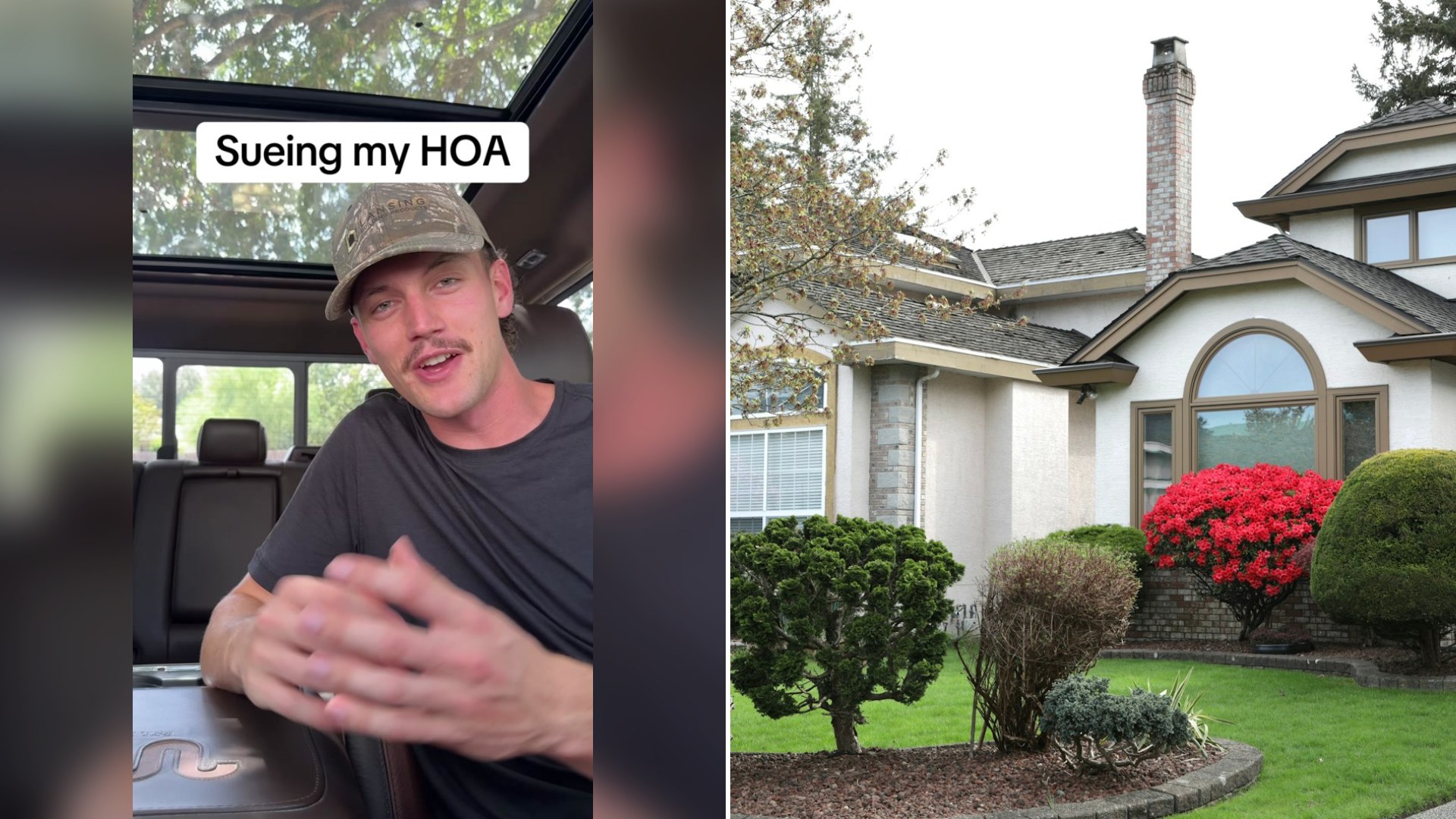
This was a follow-up to an earlier post that, by his count, collected over 6,000 comments. He read them, took the advice many people offered, and hired a lawyer. Because of that, he says he can’t share many details right now. What he can do is clear up some common myths about HOAs, and those myths are worth a closer look.
@iamprovolone
What He Says Happened
The homeowner explains that he bought a house in Austin last year and found out three months later that it was part of an HOA. He says the HOA in question is mandatory, and that certain steps are supposed to take place when a house in a mandatory association is sold. There should be a resale certificate, and there should be transfer fees at closing, along with other paperwork. In his case, he says, that did not happen. He was not given the HOA documents before closing, and the seller did not pay the transfer fees. In his words, that is why this has become such a big issue.
He ends with a promise to share more when he is able, and a warning that this is not going to be good for somebody. He adds that he hopes it is not him.
Three Myths He Wanted to Clear Up
Much of the post responds to common comments from viewers. He picks out three.
Myth one: “If you didn’t sign the papers, you’re not in the HOA.” He says this is not correct, at least not in Texas. In a mandatory HOA, buying the house means buying into the association. There is no way around it, he explains. Voluntary associations exist, he acknowledges, but his is not one of them.
Myth two: “They can’t take your house.” He says that is wrong too. An HOA can place a lien on a property if payments are not made, and in the worst case it can lead to foreclosure. He adds that, as he understands it, foreclosure over HOA dues is quite uncommon, because associations have to follow a long list of steps before they can collect. It is a process, he notes, and not something that happens overnight.
Myth three: “If the HOA wasn’t in the contract, you aren’t bound by it.” He calls this the top comment and says it is not accurate. An HOA, he explains, is not a membership you sign up for like a gym. It is attached to the property itself. In legal terms, the obligations “run with the land,” which means they pass from one owner to the next.
A Few General Facts About HOAs
This is not legal advice, and rules vary from state to state, but several general facts apply in many places:
- Not every neighborhood has one. But in newer subdivisions and many condo or townhome communities, an HOA is common.
- They are usually created by recorded documents. These are often called covenants, conditions and restrictions, or CC&Rs, and they are filed with the county. That is why a title search can reveal them even if nobody mentions the HOA to you.
- Dues and special assessments can be binding. Associations can charge regular dues, and in some cases extra fees for large repairs or projects.
- Unpaid dues can lead to liens. Because of that, it matters who owes what at closing.
- Sellers are often required to provide documents. In many states, including Texas, there are rules requiring the seller to give a buyer certain HOA information, and laws that spell out what must be provided and when.
How to Check for an HOA Before You Buy
- Ask directly. Your agent should ask the seller or listing agent, in writing, whether the property is in any association.
- Read the listing and the disclosures. HOA fees are normally listed. If they are not, ask why.
- Look at the title commitment. It can show recorded restrictions and easements, and a title company or attorney can explain them.
- Search county records. The recorder’s office keeps deeds and recorded neighborhood documents.
- Talk to a neighbor. People who live nearby usually know whether a neighborhood has dues, rules or a management company.
- Ask the title company at closing. If transfer fees or resale documents are expected, they should be on the closing statement.
What to Do If You Find One After Closing
If you discover that your home is in an HOA after you have already bought it, take a breath. Gather your closing documents, the listing and any emails with your agent. Request the governing documents from the association and a statement of what, if anything, you owe. Then talk to a real estate attorney in your state, which is the step this homeowner took. Many attorneys offer a first consultation, and the right advice can clarify who is responsible for what. Deadlines can apply to some of your options, so do not wait. Writing down a clear timeline of when you closed, when you first learned of the HOA and who you spoke with will help any professional you consult.
The key lesson, regardless of how his case turns out, is that a house comes with more than walls and a yard. It can come with rules, fees and legal obligations that exist whether or not anyone tells you about them. Ask early, ask in writing, and keep every document.
Leave a Reply