Buying a new home means a lot of waiting, and plenty of trust. You pick the lot, the floor plan and the finishes, and then you watch from the sidelines as your future home goes up. Home inspector @texas.edge.inspect says that if you want to know how much a builder cares about your house, take a look at the bathtub.
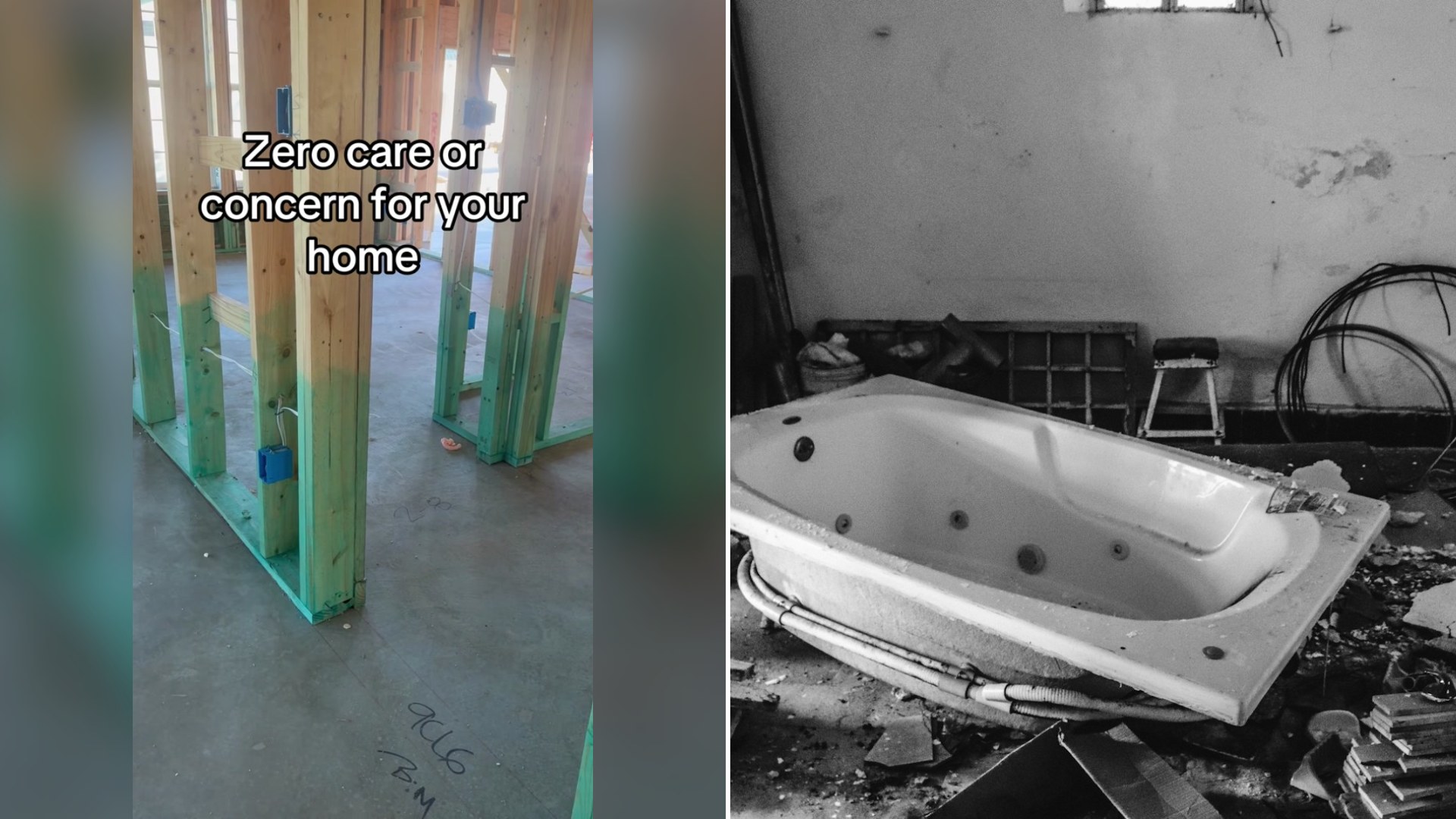
During a pre-drywall inspection, he found a tub in a new home filled with dirty water, sawdust and construction trash, and he did not mince words about it.
@texas.edge.inspect
What he found
The inspector opens by saying this is how much a typical builder cares about your bathtub during construction. According to him, there was no concern at all for keeping the tub clean or protecting it from damage and scratches. Instead, the tub had been left holding dirty water, along with debris from the job site.
In his caption, he adds that a pre-drywall inspection should not reveal a bathtub full of dirty water, sawdust and construction trash. He says that when builders skip basic protection, such as a simple tub liner, this is what happens. His message to builders is short and direct: do better, for the people who will have to live there.
Protection is easy and available
The most useful part of his comment is that none of this was necessary. He says there are plenty of products builders can use to protect a tub during construction. He names two:
- Fluid-applied products that are painted or sprayed on and can be peeled off when the work is done.
- Molded tub liners that can be dropped into the tub to guard against scratches.
In his words, there is no reason to fill the tub with water and let it collect debris, and no reason to leave it unprotected from scratches during the build. His blunt take is that builders do it because they do not care.
Tub protection is usually inexpensive compared with the cost of replacing a scratched or chipped tub, and the covering is simply removed before the final cleaning. Builders who plan for it generally protect other fragile surfaces, such as countertops and floors, in much the same way.
Why a dirty tub is more than a cosmetic problem
It may be tempting to shrug at a dirty tub, because it can be scrubbed before you move in. But there are good reasons to take it seriously. A tub is usually one of the most delicate surfaces in the house, whether it is acrylic, fiberglass or porcelain-coated metal. Dragging tools, dropping materials or letting grit settle on the surface can leave scratches and chips that are hard to fix later.
Standing water is also a concern, because a tub full of water means someone left a drain closed or the stopper in place. If the tub overflowed or leaked during construction, water could end up in the framing, subfloor or wall cavities, where it can encourage mold and rot. Because this inspection took place before the drywall was installed, it was still possible to see inside the walls.
Finally, how a builder treats a visible detail like a tub says something about how carefully they treat the parts you cannot see. It does not prove anything about the rest of the house, but it is a reason to look more closely.
What a pre-drywall inspection is
A pre-drywall inspection, sometimes called a pre-drywall walkthrough or a frame inspection, happens after the framing, plumbing, electrical wiring and heating and cooling systems have been roughed in, but before insulation and drywall cover them. It is the only time anyone can see how the house is put together on the inside.
Inspectors typically look at things like:
- Framing, including how studs, joists and beams are connected.
- Plumbing lines and drains, and whether they are supported and sealed.
- Wiring and electrical boxes.
- Ducts and vents for the heating and cooling system.
- Window and door flashing and signs of water getting in.
- General cleanliness and protection of finished items such as tubs.
Once the walls are closed, finding a problem means tearing into them, so this is the cheapest time to correct a mistake.
What to do if you are building a home
If you are buying new construction, there are a few simple steps that can protect you. First, read your contract to see whether you are allowed to bring your own inspector at different stages. Many buyers are surprised to learn that they can, but only if they ask in advance. Second, hire an inspector who is independent of the builder. Third, take photos at each stage so you have a record, and keep copies of every report and email.
If you find problems, such as a tub that was left in poor condition, send your concerns to the builder in writing and ask for a plan and a date for correction. Request a follow-up visit so the repair can be confirmed. If a tub does get scratched, ask the builder to repair or replace it, and do not wait until the final walkthrough, when you may feel rushed. It also helps to ask whether a final cleaning is part of your contract.
A fair expectation
A new house is a big purchase, and most families will live with it for many years. It is not unreasonable to expect that the builder will protect the items you are paying for. The inspector’s message is simple: the protective products exist, they are not hard to use, and a little effort during construction can prevent a lot of frustration later. The next time you visit a house under construction, take a look in the tub. It may tell you more than you expect.
Leave a Reply