She bought a house in Austin, Texas last year, settled in and started living her life. Then, about three months after closing, @iamprovolone found out something nobody had mentioned during the entire purchase: the home was part of a homeowners association, and not an optional one. “So somebody’s getting sued,” she says. “Let me explain.”
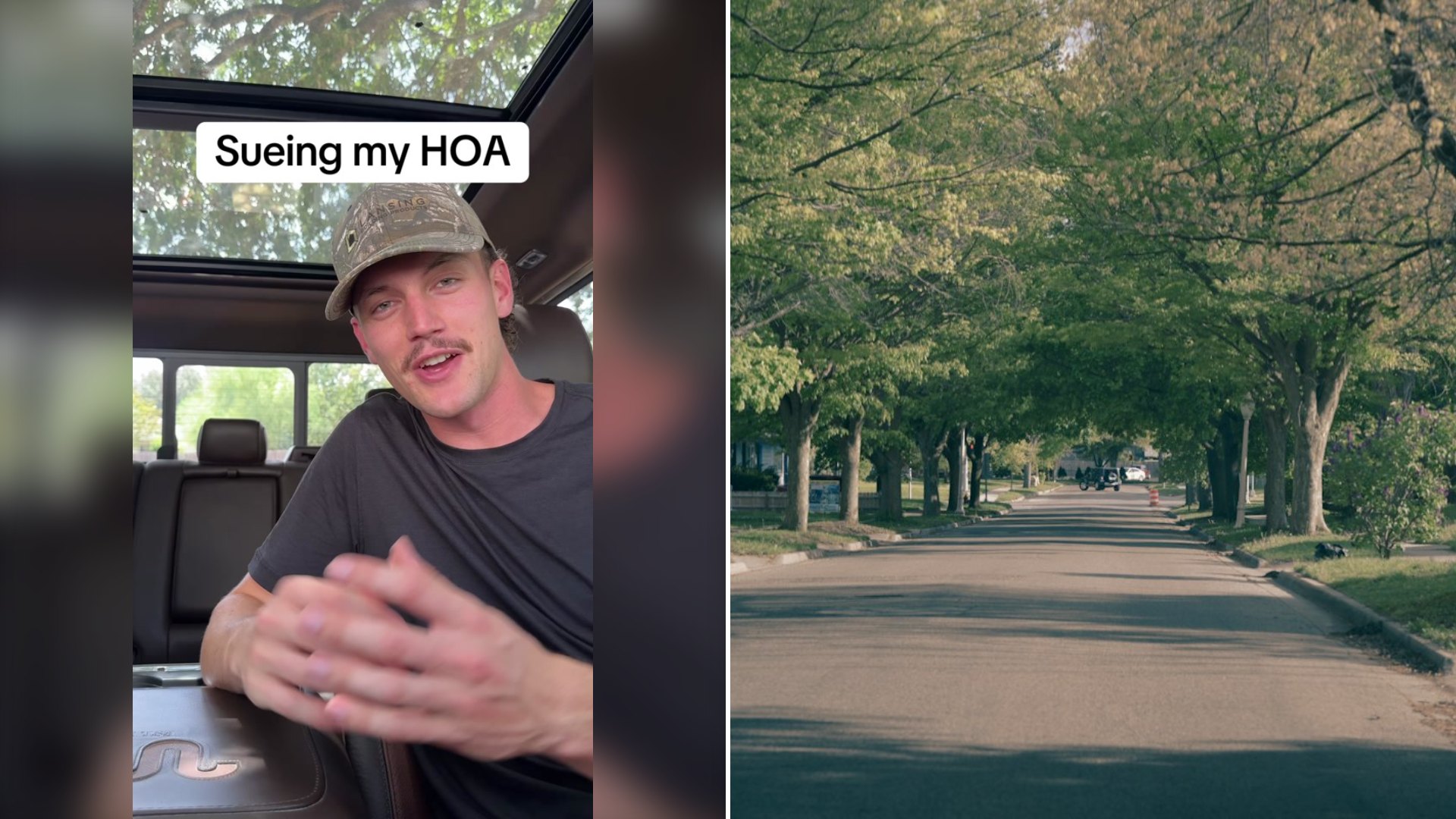
Her first video about the surprise drew a flood of advice, and she says she read through the comments. She took one popular suggestion and hired a lawyer. Because of that, she says she cannot share much about her own case yet. But she did want to set the record straight on several things commenters told her about HOAs that, in her words, “just were not correct.”
Three HOA Myths She Wanted to Clear Up
Myth one: If you never signed the HOA papers, you are not in it. Not so, at least where she lives. “We’re in Texas. This is a mandatory HOA,” she explains. “When you buy the house, you’re buying into the HOA, no way around it.” She acknowledges that some voluntary associations exist, but hers is not one of them.
She points out that because the HOA is mandatory, there should have been a resale certificate, transfer fees at closing and other paperwork moving through the process. “That just didn’t happen with my process,” she says, “so that’s why we’re in this situation. How this got through everybody, I don’t know.”
Myth two: An HOA cannot take your house. She says that is wrong. If a homeowner in a mandatory HOA stops paying, the association can put a lien on the property and, in more serious cases, pursue foreclosure. She adds that, from her understanding, foreclosing over HOA fees is very uncommon and involves a whole series of checks and balances and collection steps before it ever gets that far.
Myth three: If the HOA was not in your contract, you are not bound by it. The most popular comment on her first video said exactly that, and she says it is not correct either. “HOAs are not a membership. They’re part of the property,” she explains. The issue in her case is that she was not given the HOA documents before closing, and the seller did not pay the transfer fees. “This isn’t going to be good for somebody,” she says, “and I really hope it’s not me.”
She promises to share more once she is able to.
@iamprovolone
How a Mandatory HOA Can Slip Through a Closing
Most buyers assume that if a house is in an HOA, someone in the chain would surely tell them. The seller, the agents, the lender or the title company would catch it. Usually they do. But as this story shows, paperwork can fall through the cracks.
A mandatory HOA is generally created through recorded deed restrictions or covenants attached to the land in a subdivision. Those covenants “run with the land,” which is the legal way of saying they apply to whoever owns the property, whether or not that owner signed anything or even knew about it. That is why simply not signing does not get a homeowner out.
In Texas, the state property code sets rules for HOA resale certificates, which tell a buyer about dues, special assessments and any money owed. It also puts limits on HOA foreclosure. For example, Texas law generally does not allow an HOA to foreclose when the debt is made up only of fines or the attorney’s fees tied to those fines, and most HOA foreclosures there must go through a court process. Rules differ from state to state, so homeowners elsewhere should look up their own state’s laws.
The resale certificate matters for another reason, too. It is usually the document that tells the title company there are dues to collect and transfer fees to pay at closing. When it never gets ordered, the association may not even know the house changed hands until months later.
How to Make Sure This Never Happens to You
Whether you are buying your first house or your fifth, a few steps can help you avoid an HOA surprise:
- Ask directly, in writing. Ask your agent and the seller whether the property is subject to any HOA, property owners association or deed restrictions, and get the answer in writing.
- Read the title commitment. Before closing, the title company issues a document listing recorded restrictions and covenants on the property. Look for references to declarations, restrictions or an association.
- Search county records. Many county clerk offices let you search recorded documents online by subdivision name.
- Look around the neighborhood. Shared pools, entry signs, common landscaping and mailbox clusters are often clues of an association.
- Request the governing documents. If there is an HOA, ask for the declaration, bylaws, rules, budget and the most recent resale certificate before your option or inspection period ends.
- Keep your closing file. If something was missed, your closing documents and communications will be essential for your attorney.
And if you do discover an HOA after closing, do as this homeowner did. Do not ignore the association’s notices, since unpaid dues and fees can snowball. Talk to a real estate attorney, gather every document from your purchase and let the professionals sort out who is responsible for the paperwork that never made it to your kitchen table.
More From Willow and Hearth
- Gardening Fix After an HOA Violation Shows How One Homeowner Solved It Without Paying a Fine
- HOA Threatens Fifty Dollars a Day in Fines over Weeds Even Though the Homeowner Mows Every Two Weeks
- HOA Has Not Filed with the State in Four Years and May Have Been Legally Dissolved According to One Homeowner
Leave a Reply