Plenty of renters assume that because the landlord owns the building, the landlord makes the rules. A California lawyer who posts as @lawyer.vince says that is a costly misunderstanding. In a short video, he lays out three things that, in his words, mean “your landlord is breaking the law,” and he says many tenants have no idea those protections exist.
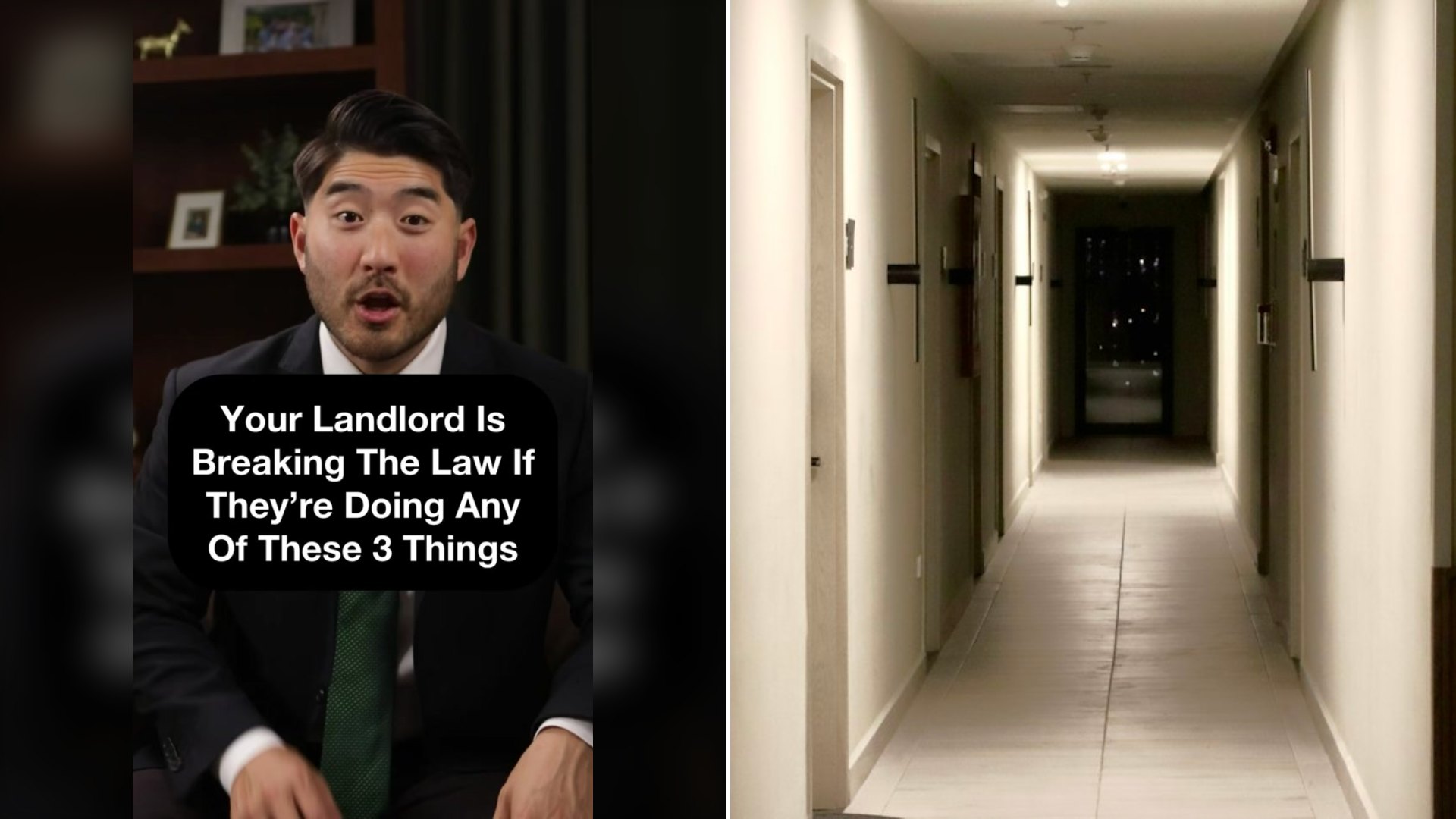
“A lot of renters assume they just have to put up with whatever their landlord does,” he writes in his caption. “You don’t. Landlords have legal responsibilities, and there are limits to what they can do, even if they own the property.”
The Three Things He Says Landlords Cannot Do
One: lock you out or cut off your utilities. “They can’t lock you out or shut off your utilities to force you out,” he says. “No water, no electricity, change locks. That’s called a self-help eviction.” He is firm on the alternative: “If they want you out, they have to go to the courts. That’s the only legal way.”
Two: walk in whenever they feel like it. “They can’t just walk into your home whenever they feel like it,” he says. Landlords are required to give proper notice before entering, and he warns that showing up unannounced “isn’t just rude. It may be a violation of your rights.”
Three: punish you for speaking up. His final point covers retaliation. Whether you reported a repair, filed a complaint, or asked for something you were legally entitled to, he says, a sudden rent hike or eviction notice right afterward is a red flag. “That’s not a coincidence,” he says.
He sums it up simply: owning the property “doesn’t put them above the law. You have rights inside that unit and your landlord doesn’t get to ignore them.”
@lawyer.vince
What These Rules Look Like in Practice
The lawyer’s hashtags point to California, which has some of the more detailed tenant protections in the country, but the general ideas show up in many states.
Lockouts and shutoffs. Changing the locks, removing doors or windows, taking a tenant’s belongings, or intentionally cutting off water, power, or gas to push someone out is illegal in nearly every state. Eviction is a court process. Even when a tenant owes rent, the landlord typically has to serve the right notice, file a case, win a judgment, and then have a sheriff or marshal carry out the removal. California law allows tenants to recover damages and daily penalties when a landlord uses these tactics.
Entry notice. In California, landlords generally must give reasonable written notice before entering, presumed to be 24 hours, and must enter during normal business hours except in emergencies. Many other states have similar rules, often requiring 24 to 48 hours. Emergencies such as a fire, flood, or gas leak are the common exception almost everywhere.
Retaliation. California law presumes retaliation when a landlord raises the rent, cuts services, or tries to evict within 180 days after a tenant has exercised certain rights, like requesting repairs or contacting a housing inspector. Most states have some form of anti-retaliation protection, though the time frames and details vary.
What to Do if Your Landlord Crosses the Line
Knowing your rights helps only if you can prove what happened. If something like this happens to you, or to a parent or grandchild who rents, these steps can help.
- Keep everything in writing. Make repair requests by email or letter, not just by phone, so there is a dated record.
- Document problems. Take photos and videos of repair issues, notices taped to your door, and any signs of unannounced entry. Write down dates, times, and what was said.
- In a lockout, call for help right away. In many places police will respond to an illegal lockout, and a court can order a tenant let back in. Do not break in yourself if you can avoid it.
- Keep paying rent if you can. Staying current on rent makes it much harder for a landlord to justify an eviction and strengthens a retaliation claim.
- Check your lease. It may spell out entry notice and repair procedures. A lease cannot take away rights guaranteed by state law, though.
- Find local help. Legal aid offices, tenant unions, and city housing departments often offer free advice. Many state attorney general offices publish plain-language tenant guides.
Why This Matters for Older Renters
More adults over 50 are renting than in years past, whether by choice after downsizing or because of rising home prices. Older tenants can be especially vulnerable to pressure tactics, like a landlord who wants a long-term resident out so the unit can be rented at a higher price. Knowing that a lockout is illegal, that entry requires notice, and that complaining about a broken heater cannot lawfully trigger a rent hike gives renters the confidence to speak up.
The lawyer’s message is short, but it is one worth passing along: owning a building is not the same as owning the people who live in it. Rules vary by state and city, so anyone facing a specific problem should talk to a local attorney or legal aid office about their situation.
More From Willow and Hearth
- Former Landlord Says In Some Places Your Security Deposit Is Supposed To Earn Interest, And Tenants Who Never Asked Have Been Leaving Money Behind
- Arizona Legislature Chapter 69 Lets Owners Seek a Court Order Against Strangers Living in a Home, but Only When Nine Conditions All Apply to the Occupant
- Creator Visits a Mother and Son Inside Their Home and Documents the Unsanitary Conditions the Family Says They’ve Been Forced to Live In
Leave a Reply