One young woman is questioning her sanity after discovering what can only be described as a biological hazard hidden in her boyfriend’s wardrobe. The poster, 23, moved in with her boyfriend (also 23) last October, but what began as a new chapter in their relationship has quickly devolved into what she describes as a struggle against complete domestic chaos.
Since sharing a living space, the poster has found herself acting more like her boyfriend’s mother than a partner. She revealed that he showers only once or twice a week, neglects basic hygiene routines such as brushing his teeth in the morning, and even refuses to wash his face. Each time she attempts to discuss cleanliness or chores, he shuts down emotionally, playing the victim and deflecting responsibility. “Maybe I’m just not a functional adult,” he reportedly told her while putting on headphones to escape the conversation.
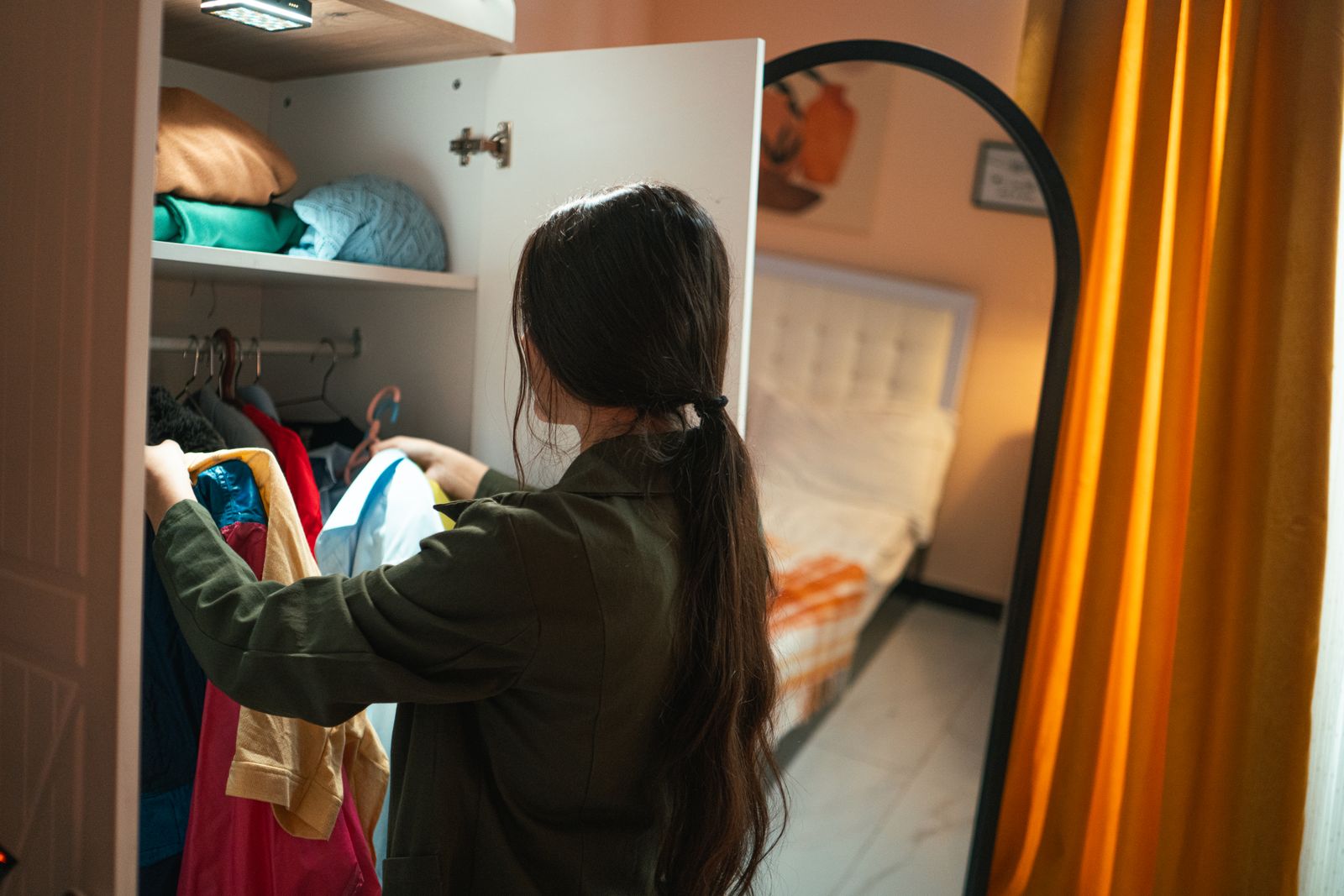
The emotional manipulation took a dramatic turn when the poster discovered a two-month-old casserole buried in her boyfriend’s wardrobe. This gruesome find happened in mid-July, with the dish left to rot since May. Rather than expressing embarrassment or remorse, her boyfriend was more concerned about her reaction. “He claimed he was ‘sickeningly worried’ about how I would react,” she recounted, painting him as almost comedic in his ability to flip the script. He framed his carelessness as a universal mistake, attempting to normalize his behavior and even suggesting that his friends would laugh about it.
Despite the messy situation, her boyfriend has recently started to act on some of her requests, but there’s a twist: he insists he is doing it for her, not out of a genuine desire to contribute to their shared home. This forced attitude has left her feeling unappreciated and further questioning their compatibility as a couple. “Am I being a ‘clean freak’ or asking for too much here?” she pondered, echoing the frustration many can relate to in navigating personal boundaries in relationships.
As her story circulated, the reactions were intense. While some readers sympathized with the poster’s plight, others wondered if such behavior was typical for young men in their early twenties. Many questioned how common it is for partners to experience a drastic shift in household responsibilities once they move in together. Above all, the overwhelming sentiment seemed to indicate that her boyfriend’s reaction to the situation was more alarming than the original discovery of the casserole itself.
Readers primarily focused on the shocking nature of the boyfriend’s dismissive attitude. Some remarked that the poster should not feel guilty for being disgusted by a rotten meal hidden in their living space. “It’s not just a casserole; it’s a reflection of his carelessness,” one comment pointed out. Others cautioned her against normalizing such behavior, asserting that being a partner doesn’t mean sacrificing personal standards of cleanliness.
The poster’s struggle highlights a larger conversation about shared responsibilities within relationships and the often unspoken expectations that come with cohabitation. As her boyfriend continues to paint himself as the victim in this narrative, she finds herself increasingly frustrated and uncertain about the future. With the line between caring for a partner and playing the role of caretaker blurring, one has to wonder: is she asking for too much, or is it merely basic respect and hygiene?
More from Willow and Hearth:
Leave a Reply